

Secrets of the Iberians: Genetic research reveals ancient migration patterns
Translated from German, summarized and contextualized by DistantNews.
At a glance
News
Sources not specified
Context piece
- Modern genetic research reveals that the Iberian Peninsula was a dynamic crossroads of migration and settlement throughout ancient history.
- Immigrants, primarily men from areas like modern Ukraine and Russia, significantly altered the genetic makeup of the indigenous population.
- The peninsula's unique geographic position also facilitated influences from North Africa, contributing to its cosmopolitan character.
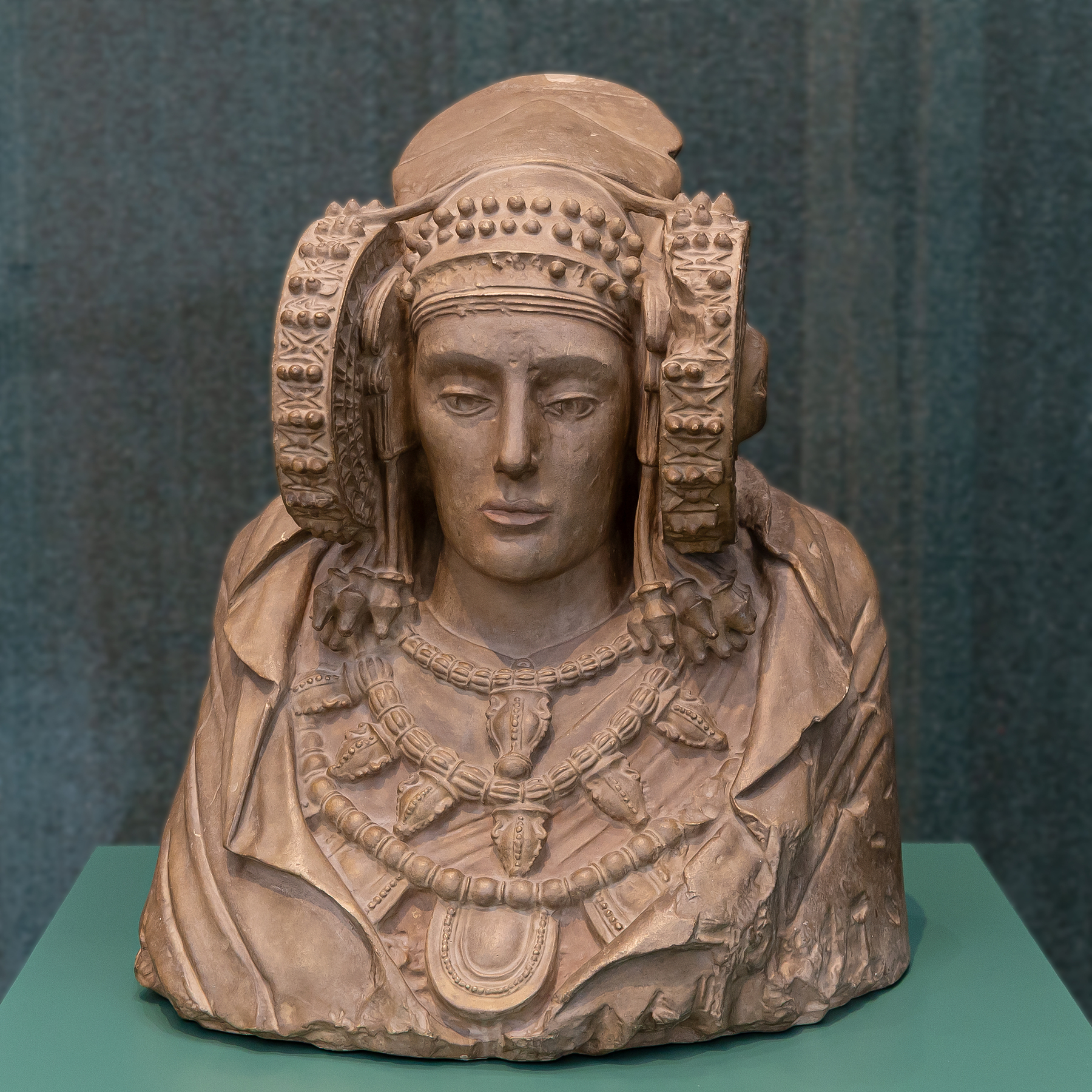
Ancient inhabitants of the Iberian Peninsula, often stereotyped as fiery opponents of the Romans in popular culture, are now understood through a lens of complex genetic and migratory history. For centuries, the very existence of a distinct Iberian culture was debated by scholars. However, modern genetic studies have corrected this, revealing a continuous flow of populations onto the peninsula.
During the Ice Age, the region served as a refuge for flora, fauna, and potentially humans fleeing colder climates elsewhere in Europe. This relative stability fostered unique evolutionary paths. Geneticists have identified a "steppe signature," indicating migration from as far as present-day Ukraine and Russia. These newcomers largely displaced the existing Iberian population, leaving a lasting mark on the region's genetic heritage.
While the exact nature of this displacement remains unclear, evidence suggests a process of sexual selection where incoming men integrated with the surviving local women. This significantly altered the paternal lineage of the peninsula's inhabitants over time. The Iberian Peninsula's location also made it a cosmopolitan region, with influences arriving from both the north and south.
Genetic analysis of a 3,500-year-old female skeleton, for instance, revealed an African grandparent, highlighting the diverse origins of its people. This dynamic population movement and cultural exchange occurred even during the Iron Age, a period marked by the rise of the first Iberian high culture. The eventual collapse of this culture was influenced by the broader conflicts and migrations within the Mediterranean world, a history often filtered through the biased accounts of ancient Greek and Roman chroniclers.
DistantNews Editorial
Originally published by Die Presse in German. Translated, summarized, and contextualized by our editorial team with added local perspective. Read our editorial standards.
More Stories



From Our Blog

What Gets Lost (and Found) When News Is Translated

The Critical Role of Diaspora Media in Global News

What Travellers Should Know About Countries with Restricted Press

A Digital Nomad's Guide to Following Local News

How the Same Story Looks Different in Different Countries
