


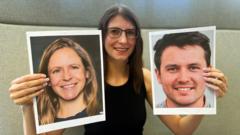
See if you can spot an AI deepfake with our test
Summarized and contextualized by DistantNews.
At a glance
News
Sources not specified
Context piece
- It is becoming increasingly difficult to distinguish AI-generated images from real ones, as AI technology improves.
- Traditional methods of spotting fakes, like looking for extra fingers, are becoming less effective.
- Researchers are developing new, more subtle approaches to help people identify AI deepfakes.
Distinguishing between real photographs and AI-generated deepfakes is becoming a significant challenge, as artificial intelligence technology rapidly advances. Previously, spotting computer-generated images, often used by fraudsters, was easier due to obvious AI errors like an extra finger or other peculiar flaws.
However, AI systems are continuously learning and improving, rendering these tell-tale signs less reliable. "Training on visual artifacts, like looking for a sixth finger or odd earrings, has had limited success, partly because the AI is getting too good, and fraudsters may avoid using pictures with obvious flaws anyway," explained Professor Amy Dawel.
Professor Dawel, director of the Australian National University Emotions and Faces Lab, is leading an international research team. Their work focuses on determining if people can be trained to detect AI imposters. The current answer is yes, but it requires a more sophisticated approach than simply looking for glaring mistakes. The ability to spot AI fakes now depends on a subtler understanding and analysis of the images.
Training on visual artifacts, like looking for a sixth finger or odd earrings, has had limited success, partly because the AI is getting too good, and fraudsters may avoid using pictures with obvious flaws anyway.
DistantNews Editorial
Originally published by BBC News. Summarized and contextualized by our editorial team with added local perspective. Read our editorial standards.
More Stories


From Our Blog

What Gets Lost (and Found) When News Is Translated

The Critical Role of Diaspora Media in Global News

What Travellers Should Know About Countries with Restricted Press

A Digital Nomad's Guide to Following Local News

How the Same Story Looks Different in Different Countries
