

Semiconductor excess tax revenue to support disadvantaged groups, says policy chief
Translated from Korean, summarized and contextualized by DistantNews.
At a glance
News
Named sources
New plan
- South Korea plans to use excess corporate tax revenue from the semiconductor industry to support vulnerable groups.
- The government aims to invest in future growth industries and address widening economic polarization.
- Special programs for young people are being considered as a priority for utilizing these funds.
South Korea intends to allocate excess corporate tax revenue generated by the booming semiconductor industry towards supporting segments of the population that have not benefited from recent economic growth. The government views this windfall as an opportunity to invest in future growth engines and mitigate increasing economic disparities.
This is, in a way, expanding growth itself.
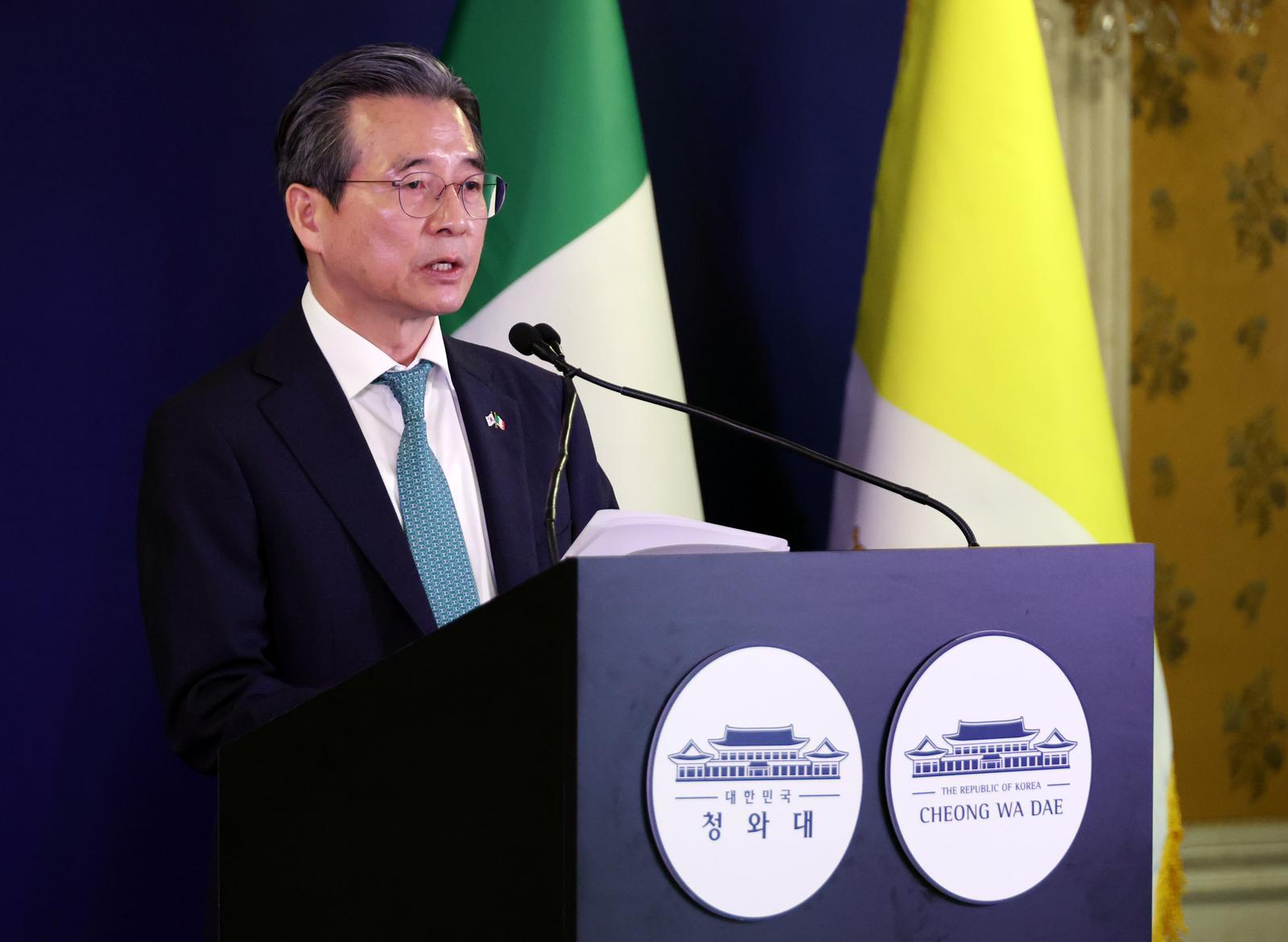
Kim Yong-beom, Senior Presidential Secretary for Economic Affairs, stated that the principle is to use the surplus tax income for the future. He emphasized that the funds would be directed towards measures that help those who have been left behind by the current growth surge. This approach aims to prevent further exacerbation of polarization, ensuring that the benefits of economic expansion are more broadly shared.
And rather than improving everyone equally, this polarization could actually be maximized, so we will support those who benefit less from this growth.
"This is, in a way, expanding growth itself," Kim asserted, highlighting the strategy's dual purpose of supporting disadvantaged groups while fostering wider economic development. The secretary specifically pointed to young people as a key demographic for these support initiatives, recognizing them as the nation's future.
Young people are our future, too. We must create special programs for the younger generation.
Discussions are underway regarding the specific forms of support for the youth, with the government considering options beyond simple cash handouts. The focus is on creating targeted programs designed to enhance opportunities and address the unique challenges faced by the younger generation, ensuring they are better positioned to contribute to and benefit from the nation's economic progress.
It seems difficult to simply view it as cash or not cash.
DistantNews Editorial
Originally published by Dong-A Ilbo in Korean. Translated, summarized, and contextualized by our editorial team with added local perspective. Read our editorial standards.
More Stories

From Our Blog

What Gets Lost (and Found) When News Is Translated

The Critical Role of Diaspora Media in Global News

What Travellers Should Know About Countries with Restricted Press

A Digital Nomad's Guide to Following Local News

How the Same Story Looks Different in Different Countries
