

Senator criticizes Uruguay's child welfare cash transfer changes as a 'monetary statistic' manipulation
Translated from Spanish, summarized and contextualized by DistantNews.
At a glance
News
Named sources
New plan
- A Uruguayan senator criticized proposed changes to child welfare cash transfers, calling them a "monetary statistic" change that harms children.
- The senator argued that removing or altering conditions, like school attendance, sends a negative message to parents.
- He expressed concern that the changes, particularly to the Uruguay Social card, could undermine targeted support for food and hygiene.
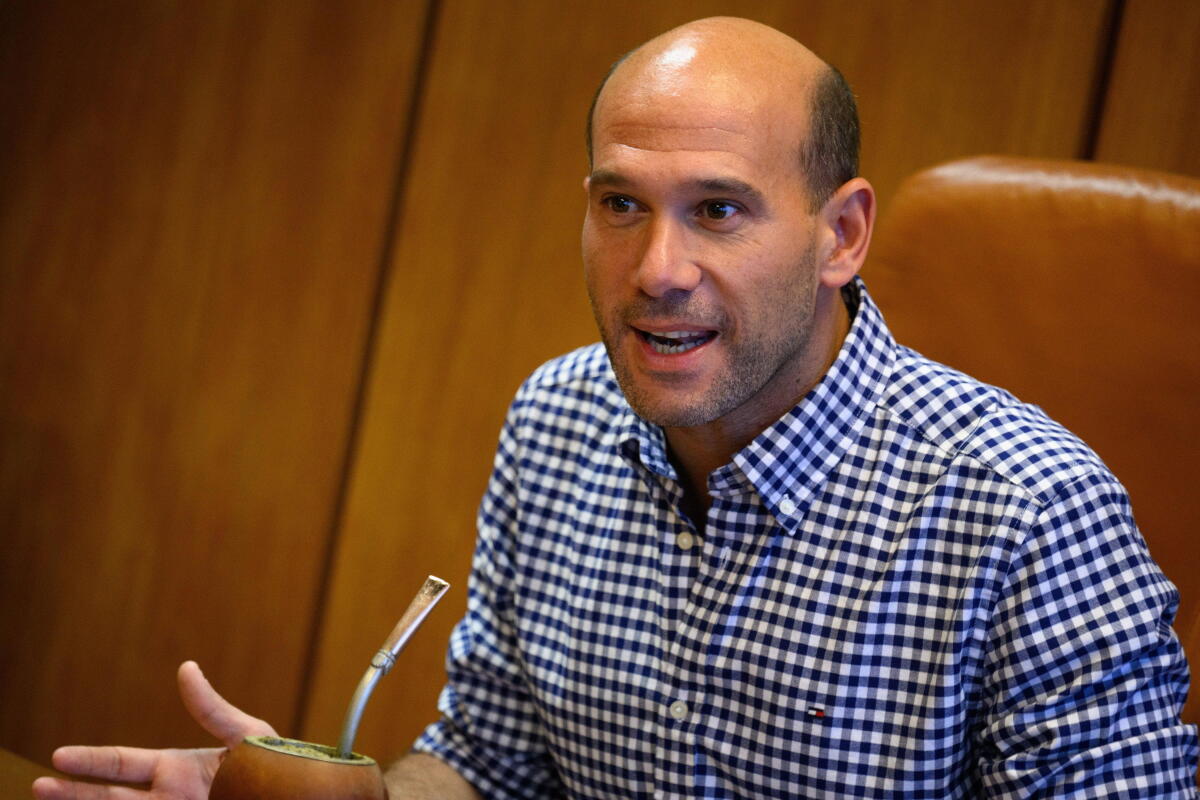
Senator Martín Lema of the National Party has strongly criticized proposed changes to Uruguay's cash transfer programs for children, arguing they prioritize statistical manipulation over genuine child welfare. Lema, who previously served as Minister of Social Development, stated that the unification of monetary transfer programs for poor families with children, which includes increased amounts but minimal requirements for reciprocal actions, is detrimental.
The proposal harms children and adolescents, and it is sought to change a monetary statistic.
Lema specifically pointed to programs like the "Plan de Equidad," which previously required children's school attendance. He contended that removing or altering these conditions sends a "completely negative message" to parents, implying that school attendance is inconsequential. "It's as if we're telling mothers and fathers that it doesn't matter if they send their children to school or not," he said, warning that this approach "harms and compromises the future of children."
The senator also raised concerns about modifications to the "Tarjeta Uruguay Social" (Uruguay Social card). While this card historically did not require reciprocal actions, its purpose was to ensure funds were used for food, hygiene, and cleaning. Lema fears that changes could dilute this focus, potentially allowing the funds to be used for purposes other than essential needs, without any corresponding conditions.
The great majority comply with the requested counter-performance, so removing or changing that conditionality sends an absolutely negative message, because what is being told to mothers and fathers is that it doesn't matter if they send the children to school or not.
Lema described the proposed changes in the Public Accounts project as a "step backward." He argued that the current strategy abandons a multidimensional approach to poverty, focusing instead on altering monetary statistics without considering other critical factors like housing conditions, nutrition, or hygiene. He believes a child might appear to be out of monetary poverty but still face severe vulnerabilities, a reality that could be worse than being below the monetary poverty line but with household circumstances being addressed.
It is sought to change a monetary statistic, but without taking into account other factors. A child may fall outside of monetary poverty, but if they lack housing conditions, food, hygiene, or other vulnerabilities, they have a reality that may be worse than another who is below monetary poverty, but whose household circumstances are considered.
DistantNews Editorial
Originally published by El País in Spanish. Translated, summarized, and contextualized by our editorial team with added local perspective. Read our editorial standards.
More Stories

From Our Blog

What Gets Lost (and Found) When News Is Translated

The Critical Role of Diaspora Media in Global News

What Travellers Should Know About Countries with Restricted Press

A Digital Nomad's Guide to Following Local News

How the Same Story Looks Different in Different Countries
