


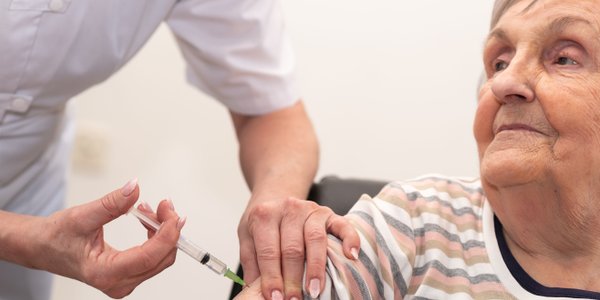
Seniors Vaccinated Against Flu Less Likely to Develop Alzheimer's, New Study Finds
Translated from Polish, summarized and contextualized by DistantNews.
TLDR
- A new study suggests that high-dose flu vaccines may significantly reduce the risk of Alzheimer's disease in seniors compared to standard doses.
- The research analyzed data from nearly 200,000 individuals aged 65 and older.
- High-dose vaccines were associated with a nearly 55% reduction in Alzheimer's risk over two years, potentially by lowering inflammation.
Rzeczpospolita is reporting on promising new research that could offer a significant benefit to our senior population. A recent study published in 'Neurology' indicates that high-dose flu vaccines may provide a stronger defense against Alzheimer's disease than standard vaccinations. Analyzing data from nearly 200,000 individuals over 65, the research found that those who received the high-dose vaccine experienced a nearly 55% lower risk of developing Alzheimer's over a two-year period. This is a notable improvement over the 40% risk reduction seen with standard vaccines over four years. The potential mechanism involves the vaccine's ability to reduce inflammation, a factor increasingly linked to neurodegenerative processes. While the effect was observed in both men and women, it appeared to be more sustained and stronger in women. This finding is particularly relevant for Poland, where Alzheimer's affects over 1% of the population, a number projected to rise. This research offers a hopeful avenue for mitigating the impact of this devastating disease, highlighting the importance of advanced preventative measures for our aging citizens.
DistantNews Editorial
Originally published by Rzeczpospolita in Polish. Translated, summarized, and contextualized by our editorial team with added local perspective. Read our editorial standards.
More Stories


From Our Blog

What Gets Lost (and Found) When News Is Translated

The Critical Role of Diaspora Media in Global News

What Travellers Should Know About Countries with Restricted Press

A Digital Nomad's Guide to Following Local News

How the Same Story Looks Different in Different Countries
