

Seoul Lifts Heatwave Advisories as Temperatures Set to Drop
Translated from Korean and summarized by DistantNews. Read the original for the full story.
At a glance
News
Sources not specified
Outcome reported
- Seoul has lifted all heatwave advisories, downgrading the crisis alert to 'Attention' and ending emergency operations.
- The city had been under various heat advisories for over two months, with temperatures frequently exceeding seasonal norms.
- Forecasts indicate a significant drop in temperatures, with daytime highs expected to reach around 28 degrees Celsius starting April 30.
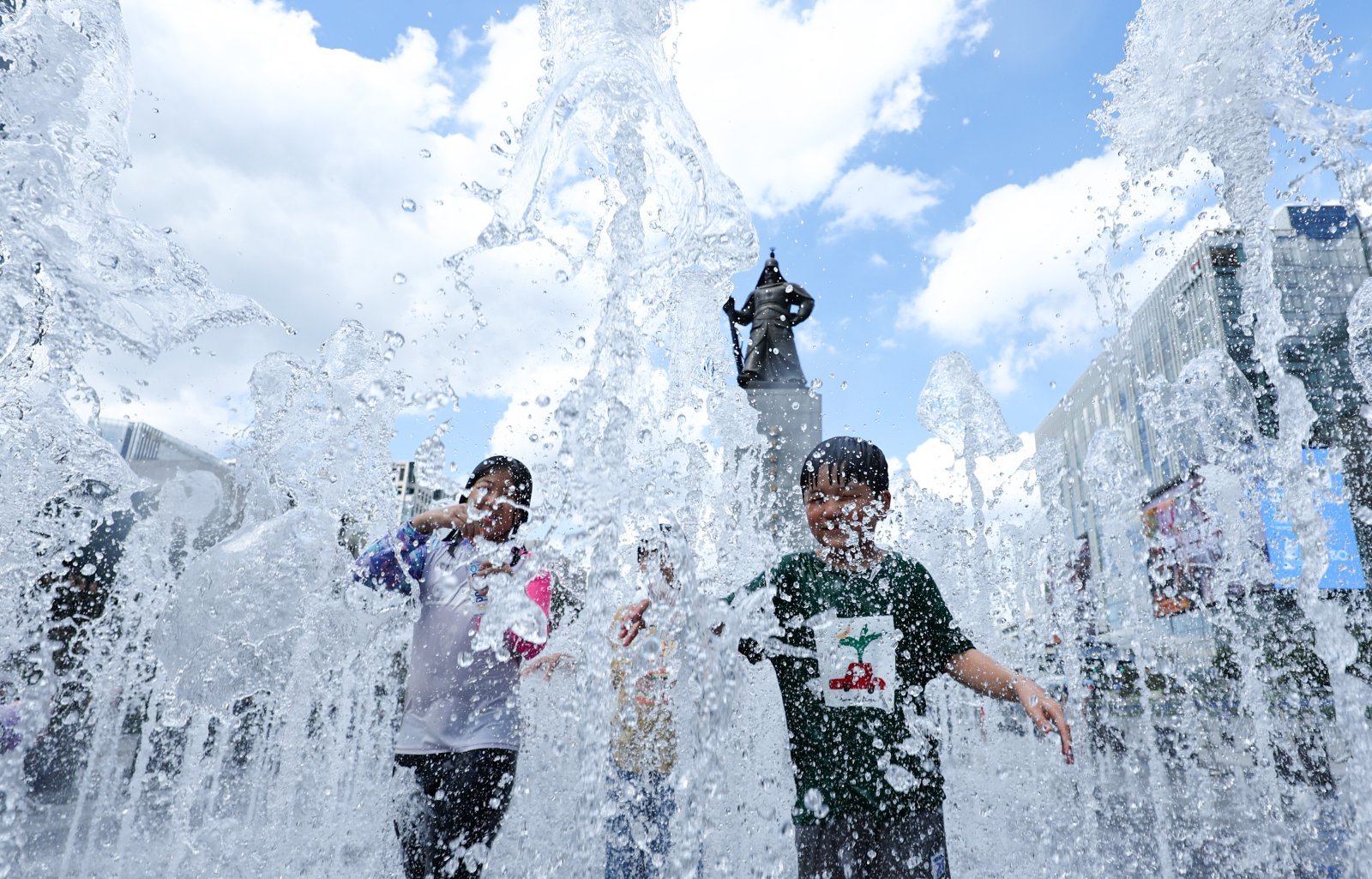
Seoul has officially lifted all heatwave advisories across the metropolitan area, signaling a much-needed respite from the prolonged period of intense heat. The city government announced the downgrade of the heatwave crisis alert from 'Warning' to 'Attention' on April 29, concurrently ending the emergency duty shifts for officials at both the city and district levels.
The lifting of these advisories marks the end of a challenging summer for the South Korean capital. Seoul had been grappling with heat advisories and tropical nights for more than two months, beginning with the initial warnings issued on June 18. The situation escalated in late July when heatwave warnings were issued for the entire city, and by early August, the crisis alert was raised to the 'Serious' level, the highest designation.
With the heatwave advisories now rescinded, residents can anticipate a significant cooling trend. The Korea Meteorological Administration forecasts a drop in daytime high temperatures, with the mercury expected to reach approximately 28 degrees Celsius starting April 30. This cooler weather is projected to persist through August 1, offering relief from the oppressive summer heat.
About this summary
Originally published by Dong-A Ilbo in Korean. Translated, summarized, and contextualized automatically by DistantNews, with a note on how the source frames the story. Not individually reviewed before publishing. How this works.
More Stories



From Our Blog

What Gets Lost (and Found) When News Is Translated

The Critical Role of Diaspora Media in Global News

What Travellers Should Know About Countries with Restricted Press

A Digital Nomad's Guide to Following Local News

How the Same Story Looks Different in Different Countries
