


🇰🇷
South Korea
Seoul Stages: Plays 'Jeonghee' and 'Bangya' Explore Trauma, Resilience, and Hope Through History
Translated from Korean, summarized and contextualized by DistantNews.
TLDR
- Two distinct plays, 'Jeonghee' and 'Bangya,' are currently showing in Seoul, both exploring themes of historical trauma and healing through different narrative approaches.
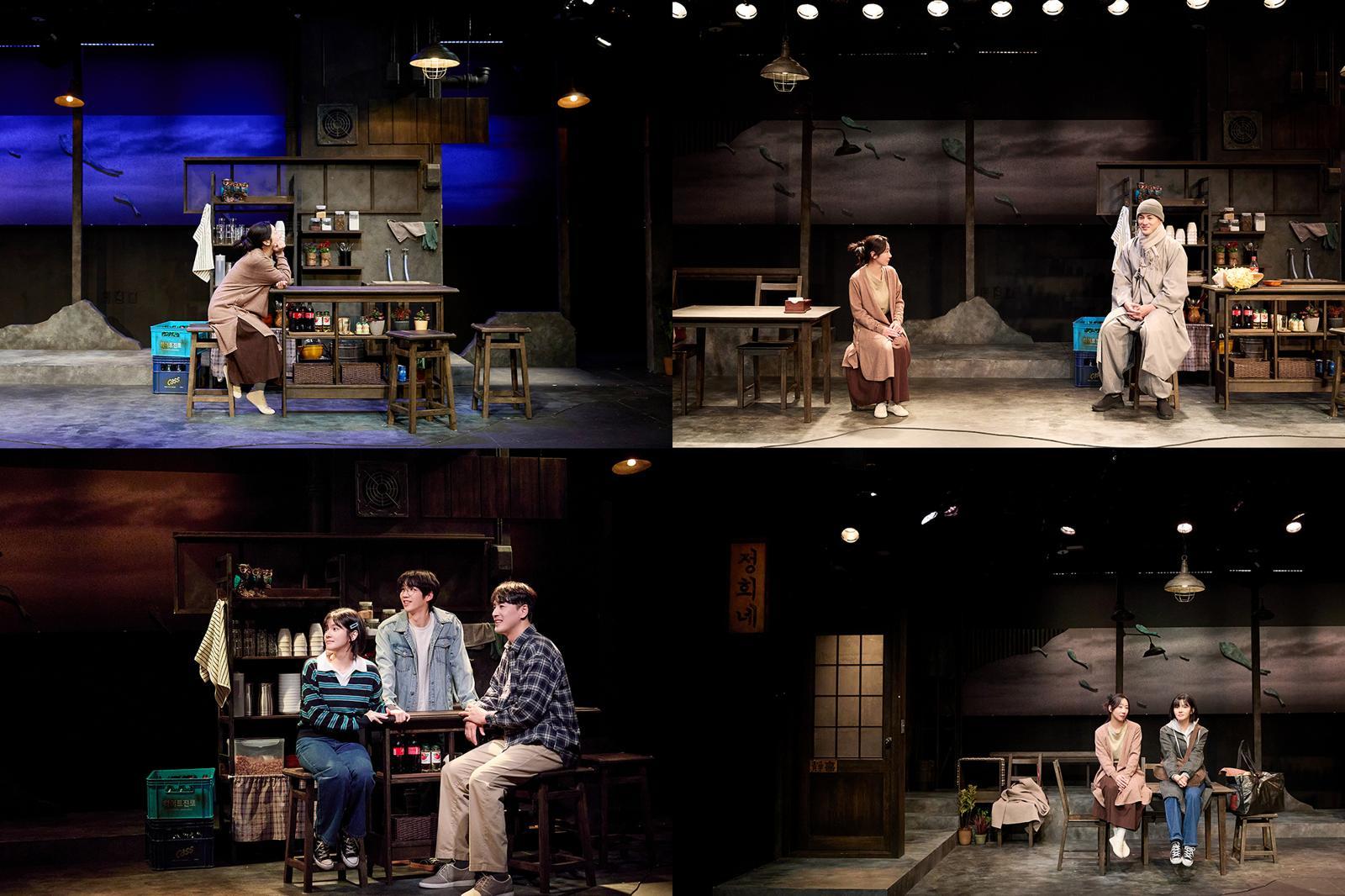
- 'Jeonghee,' a spin-off from the drama 'My Mister,' focuses on the quiet resilience of a bar owner grappling with personal loss and the unexpected arrival of a young lodger.
- 'Bangya' personifies a rifle from the Japanese colonial era to recount Korea's tumultuous modern history, juxtaposing past suffering with the present struggles of a TV writer.
Seoul's theater scene is currently abuzz with two compelling productions that delve into the enduring impact of personal and national traumas: 'Jeonghee' and 'Bangya.' These plays, while distinct in their narratives, offer profound reflections on healing, memory, and resilience, resonating deeply with audiences navigating their own histories.
'Jeonghee,' a creation born from the beloved drama 'My Mister,' shifts the spotlight to the character of Jeonghee, the owner of a humble Seoul bar. The play artfully portrays her solitary existence, marked by past heartbreaks—the loss of her grandmother, the departure of a former lover who became a monk. Her quiet life is disrupted by the arrival of Garam, a young repairman, and later by Ji-an, a troubled young woman seeking refuge. Through a non-linear narrative weaving past and present, 'Jeonghee' explores the subtle ways human connection can mend deep wounds, emphasizing empathy and shared experience over grand gestures. The play’s strength lies in its intimate portrayal of everyday struggles and the quiet warmth found in shared meals and listening ears, mirroring the poignant realism that captivated viewers of 'My Mister.'
In stark contrast, 'Bangya' tackles Korea's turbulent modern history through a unique allegorical lens. The play personifies a Type 99 rifle, a silent witness to the nation's suffering from the Japanese colonial period through the Korean War and beyond. This rifle, 'Bangya,' recounts its journey through the hands of Japanese soldiers, independence fighters, and North Korean soldiers, embodying the physical and emotional scars inflicted upon the land and its people. The narrative is framed by the struggles of Nana, a contemporary TV writer desperate to get her work commissioned. Her quest for a successful script intertwines with Bangya's story, creating a powerful commentary on how history continues to shape present-day realities and the compromises artists must make in a capitalist society. The play's rapid scene changes and multi-roling actors amplify the sense of historical chaos, yet ultimately find a note of hope, suggesting that even amidst destruction, life and the pursuit of dreams persist.
DistantNews Editorial
Originally published by Dong-A Ilbo in Korean. Translated, summarized, and contextualized by our editorial team with added local perspective. Read our editorial standards.
More Stories


From Our Blog

What Gets Lost (and Found) When News Is Translated

The Critical Role of Diaspora Media in Global News

What Travellers Should Know About Countries with Restricted Press

A Digital Nomad's Guide to Following Local News

How the Same Story Looks Different in Different Countries
