

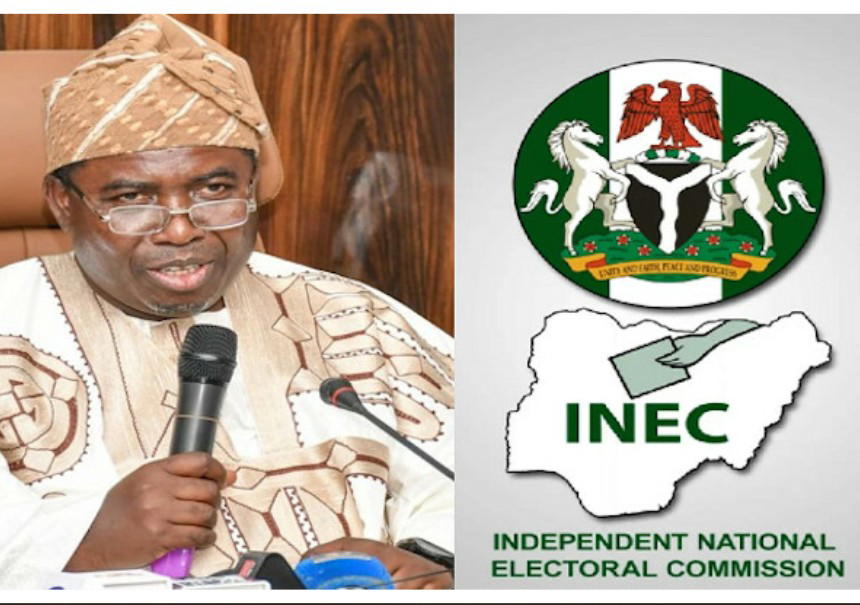

Seven actions INEC must take to build trust in Nigeria's 2027 election results
Translated from English, summarized and contextualized by DistantNews.
At a glance
Analysis
Named sources
Context piece
- Election results management in Nigeria is highly contested, with issues of alteration, substitution, and compromised officials undermining the process.
- The 2026 Electoral Act's provision allowing physical result sheets to override electronically transmitted data creates vulnerabilities for manipulation.
- The Independent National Electoral Commission (INEC) must take administrative steps, such as publishing a clear results transmission protocol, to rebuild public trust before the 2027 elections.
Election results management in Nigeria remains the most contentious and consequential phase of the electoral process, serving as the critical juncture where votes are translated into outcomes. This stage is frequently marred by altered, substituted, or fabricated results, compromised officials, and interference from security agencies aiming to engineer preferred outcomes, often to protect incumbents or oust opponents.
The integrity, independence, and resilience of the Independent National Electoral Commission (INEC) face their most severe tests during this phase. While the 2026 Electoral Act introduced reforms, including mandatory electronic transmission of polling-unit results to the IReV portal, a critical proviso allows physical result sheets to override electronic data. This loophole leaves the result management process vulnerable to manipulation, defeating the purpose of electronic transmission, as the physical sheet has historically been the primary instrument for altering results.
Yiaga Africa's policy brief, "Securing the Vote: Electronic Transmission and Collation of Election Results," highlights that many processes designed to reassure citizens about election integrity remain insufficiently visible. However, the report notes that INEC can address many of these weaknesses administratively without waiting for further legislative amendments.
To rebuild trust in election results, INEC should implement seven key actions. First, the commission needs to publish a comprehensive results transmission protocol. Nigerians are entitled to understand the complete journey of an election result, from its declaration at the polling unit to its appearance on the IReV portal. Crucially, the opaque "backend" process, where electronically transmitted results undergo internal validation before becoming public, requires clear explanation regarding its purpose, responsible parties, validation criteria, permissible actions, and timelines. This opacity creates a "black-box problem" that erodes citizen confidence.
DistantNews Editorial
Originally published by Premium Times in English. Translated, summarized, and contextualized by our editorial team with added local perspective. Read our editorial standards.
More Stories



From Our Blog

How the Same Story Looks Different in Different Countries

What Gets Lost (and Found) When News Is Translated

The Critical Role of Diaspora Media in Global News

What Travellers Should Know About Countries with Restricted Press

A Digital Nomad's Guide to Following Local News
