


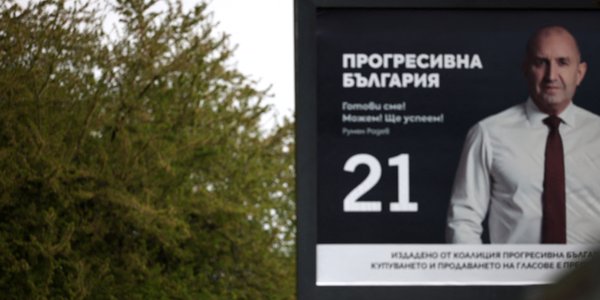
Shadow of the Kremlin Over Bulgarian Elections; Favorite Leads Polls
Translated from Polish, summarized and contextualized by DistantNews.
TLDR
- Bulgaria faces upcoming parliamentary elections amidst concerns of Russian interference and disinformation campaigns.
- A special government task force, including investigative journalist Christo Grozev, has been formed to combat foreign influence operations.
- Public dissatisfaction, particularly among youth protesting corruption, has led to frequent elections and political instability.
As Bulgaria approaches another parliamentary election, the shadow of the Kremlin looms large, casting doubt on the integrity of the democratic process. The nation finds itself grappling with sophisticated Russian propaganda and disinformation, a challenge highlighted by the Center for the Study of Democracy, which notes Bulgaria's vulnerability to such malicious manipulation.
In response, the interim government has established a dedicated unit to counter foreign interference, with prominent investigative journalist Christo Grozev lending his expertise. While Sofia remains officially tight-lipped, whispers point to former President Rumen Radev, now a leading election contender, as the beneficiary of these Kremlin-backed efforts. This alleged backing fuels public discontent, particularly among the youth who have been at the forefront of protests against pervasive corruption.
The current political landscape is a testament to this deep-seated frustration. Previous government collapses were triggered by massive youth-led demonstrations against corruption and tax hikes. However, these movements failed to translate into institutional change, leading to a cycle of early elections with the same established parties vying for power. Radev's sudden resignation from the presidency to form his own party, 'Progressive Bulgaria,' and subsequently lead in the polls, marks a significant shift, though his past actions and rhetoric—opposing EU centralization and advocating against immigration while simultaneously vetoing anti-corruption legislation—raise serious questions about his true intentions and commitment to democratic principles.
Bulgaria has one of the most favorable information environments in the EU for undemocratic, malicious manipulation and is one of the least institutionally prepared to respond.
DistantNews Editorial
Originally published by Rzeczpospolita in Polish. Translated, summarized, and contextualized by our editorial team with added local perspective. Read our editorial standards.
More Stories


From Our Blog

What Gets Lost (and Found) When News Is Translated

The Critical Role of Diaspora Media in Global News

What Travellers Should Know About Countries with Restricted Press

A Digital Nomad's Guide to Following Local News

How the Same Story Looks Different in Different Countries
