

Sharia Compliance Perceptions Jeopardize Foreign Investor Confidence in Malaysian Sukuk
Translated from Malay, summarized and contextualized by DistantNews.
TLDR
- A perception that some sukuk structures do not meet international Sharia standards could deter foreign investors, despite Malaysia's strong Islamic capital market dominance.
- The Malaysian Securities Commission (SC) acknowledges concerns arising from discussions on Draft Standard SS62, which questions the structure of certain sukuk.
- Addressing these structural challenges and promoting innovative, Sharia-compliant products are crucial for Malaysia to maintain its position as an Islamic finance hub.
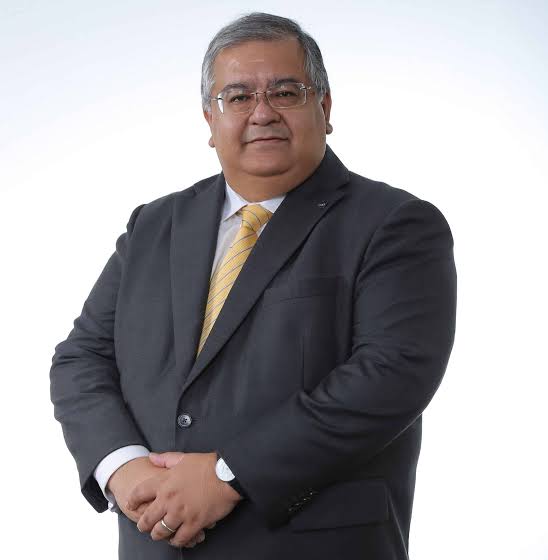
Malaysia's standing as a global leader in Islamic finance faces a potential challenge as a perception grows that some sukuk structures may not fully align with international Sharia standards. Datuk Mohammad Faiz Azmi, Chairman of the Securities Commission Malaysia (SC), highlighted this concern, noting that discussions around Draft Standard SS62 have cast doubt on the current structures of certain sukuk. This international scrutiny, if widely adopted, could significantly impact foreign investor confidence and potentially affect capital inflows into Malaysia's robust Islamic capital market, which currently holds a commanding 64 percent share.
There are views that some of these structures may not meet the interpretation of Sharia principles by certain parties globally.
While the SC believes Malaysia's approach may mitigate the immediate impact on the domestic market, the issue remains a structural hurdle. The industry is grappling with the need for alternative plans should existing sukuk structures fall out of favor globally. This includes the imperative to develop new instruments that are more readily accepted by international investors. Furthermore, the persistent perception that Islamic financial products are more expensive than conventional ones, partly due to complex existing structures, needs to be addressed.
If this interpretation is widely accepted, a significant portion of sukuk issued could be at risk of being considered non-Sharia compliant from the perspective of international investors.
Looking ahead, the SC urges industry players to move beyond mere Sharia compliance towards demonstrating tangible value-add. The shift from a "halal" (permissible) to a "tayyib" (good, beneficial, and high-quality) concept is key. This involves introducing innovative products that offer clearer advantages over conventional instruments, such as takaful models combining protection and investment returns. Exploring new financing sources, utilizing low-cost funds for infrastructure projects, and adapting to climate change are also vital strategies. Ultimately, clarity in standards, product innovation, and adaptability to current needs are critical for Malaysia to sustain its dominant position in the Islamic capital market.
The industry is also facing the challenge of the perception that Islamic financial products are more expensive than conventional ones, which is partly due to the existing structures being more complex.
DistantNews Editorial
Originally published by Utusan Malaysia in Malay. Translated, summarized, and contextualized by our editorial team with added local perspective. Read our editorial standards.
More Stories


From Our Blog

What Gets Lost (and Found) When News Is Translated

The Critical Role of Diaspora Media in Global News

What Travellers Should Know About Countries with Restricted Press

A Digital Nomad's Guide to Following Local News

How the Same Story Looks Different in Different Countries
