


Shefki Ukaj: Kosovo's voice in Croatian media, survivor of threats and persecution
Translated from Croatian, summarized and contextualized by DistantNews.
At a glance
In-depth
Named sources
Context piece
- Shefki Ukaj, a journalist who served as Kosovo's voice in Croatian media during the 1990s, faced threats and persecution for his reporting.
- Despite direct death threats during NATO's 1999 bombing, Ukaj continued to report the truth, prioritizing his family and refugees he sheltered.
- Ukaj's career began in the 1970s in Croatia, where he covered Kosovo's events for Večernji list, later joining the Kosovo Information Center during the 1990s conflict.
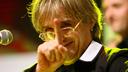
Shefki Ukaj, a journalist who became a vital conduit for news from Kosovo to Croatian media, endured significant personal risk, including beatings and death threats, throughout his career. His work often placed him in direct opposition to oppressive regimes, highlighting his commitment to truth-telling.
During the first night of NATO's bombing campaign in 1999, Ukaj was reporting from his Pristina home for several international radio stations. A call to Radio-Television of Bosnia and Herzegovina was interrupted by an operative from the Pristina telephone exchange who threatened to kill him and his family. Despite this immediate danger and the knowledge that his communications were monitored, Ukaj remained steadfast, driven by a sense of duty to report accurately.
Ukaj's journalistic journey started in the early 1970s in Croatia, where he contributed to Croatian newspapers, notably Večernji list, for over two decades. His early assignments included reporting on events in Kosovo. By the late 1980s, his focus shifted to documenting the protests by Albanians and the subsequent violence perpetrated by the Serbian state apparatus in Kosovo during the 1990s. He also became involved with the Kosovo Information Center (QIK), continuing his reporting until Kosovo's liberation.
While I was speaking, the connection was cut, and someone from the Pristina telephone exchange joined the conversation. They told me: 'We have located you and this is your last report from Pristina because we will liquidate you and your family.'
His path was fraught with challenges from an early age. Born in 1949 into a large, impoverished family in Dobrajë e Madhe near Lipljan, Ukaj lost his mother in elementary school and was raised with a blind father. Books offered him a perceived escape route to a better life. He pursued economics in Pristina, but financial hardship forced him to abandon his studies.
After the war, Ukaj worked for the newspaper Bota Sot before retiring from active journalism. He later served as an advisor in the Ministry of Culture, Youth, and Sports (MCYS) and headed the Independent Media Commission (IMC). His extensive career, marked by resilience and dedication, underscores the critical role of journalists in conflict zones and oppressive environments.
He reported, interviewed citizens, professors, and academics, which was one of his first special journalistic assignments.
DistantNews Editorial
Originally published by Večernji List in Croatian. Translated, summarized, and contextualized by our editorial team with added local perspective. Read our editorial standards.
More Stories


From Our Blog

What Gets Lost (and Found) When News Is Translated

The Critical Role of Diaspora Media in Global News

What Travellers Should Know About Countries with Restricted Press

A Digital Nomad's Guide to Following Local News

How the Same Story Looks Different in Different Countries
