

Sinaloa Congress limits cellphone use in schools; devices may only be used for pedagogical purposes
Translated from Spanish, summarized and contextualized by DistantNews.
At a glance
News
Official statement
Approved/passed
- The Congress of Sinaloa has approved reforms limiting cellphone use in schools.
- Students can only use devices for pedagogical purposes under teacher supervision.
- The new regulations aim to balance technology use with quality education and reduce distractions.
Schools in Sinaloa, Mexico, will now have stricter regulations on cellphone use following reforms approved by the State Congress. The new measures dictate that students can only use mobile phones and other digital devices during school hours for educational activities, and only with the explicit authorization and supervision of teachers or school directors.
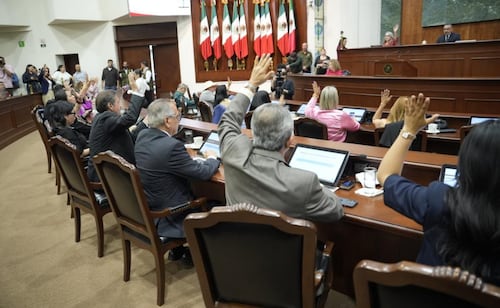
The reforms, which passed with 35 votes in favor, amend provisions in the Law of Education and the Law of Rights of Children and Adolescents. These changes apply from basic education through higher education. The legislation also mandates the development of protocols for responsible device usage and the implementation of awareness campaigns for students, parents, and educational staff.
Legislators stated that these reforms address the daily reality faced by students and educators, where mobile device usage in classrooms has become increasingly common. The approved measures seek to strike a balance between leveraging technological tools for learning and ensuring students receive a quality education free from unnecessary distractions. The Education, Science, and Technology Commission reviewed various proposals, finding broad consensus on the need to manage this issue from both an educational and human rights perspective.
DistantNews Editorial
Originally published by El Universal in Spanish. Translated, summarized, and contextualized by our editorial team with added local perspective. Read our editorial standards.
More Stories



From Our Blog

What Press Freedom Means for the News You Read

What Gets Lost (and Found) When News Is Translated

The Critical Role of Diaspora Media in Global News

What Travellers Should Know About Countries with Restricted Press

A Digital Nomad's Guide to Following Local News
