

Tlalpan alcaldía reaches 11,000 companion animal sterilizations; 'loving means caring and accompanying'
Translated from Spanish, summarized and contextualized by DistantNews.
At a glance
News
Named sources
Outcome reported
- Tlalpan, Mexico City, has sterilized 11,000 companion animals during the current administration.
- The alcaldía also provided nearly 66,000 other animal welfare services, including vaccinations and veterinary consultations.
- These efforts aim to promote responsible pet ownership and prevent animal abandonment.
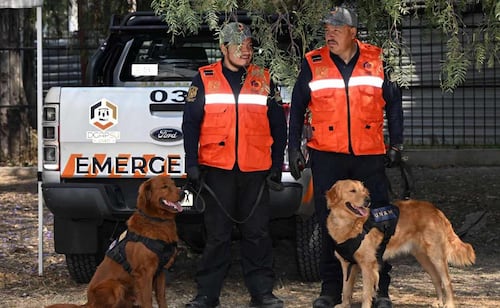
The alcaldía of Tlalpan in Mexico City has achieved a significant milestone, sterilizing 11,000 companion animals during the current administration. This figure is part of a broader commitment to animal welfare, which has also included nearly 66,000 other services such as vaccinations, veterinary consultations, and educational programs.
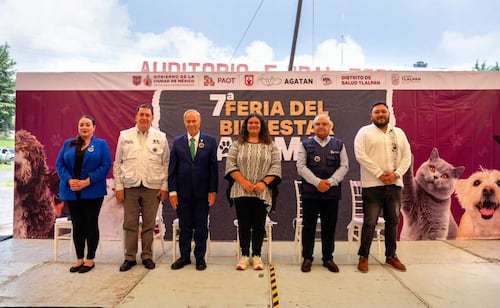
These results were announced during the Seventh Animal Welfare Fair held in San Miguel Topilejo. Elisa Alanís, the demarcation's Director of Health, emphasized that the well-being of sentient animals is integral to the welfare of Tlalpan's families. She highlighted the crucial role of community participation in solidifying public policies focused on the responsible care of pets. "Loving means caring and accompanying," Alanís stated, underscoring that responsibility towards companion animals is a shared duty between authorities and citizens.
The administration's efforts, including ongoing animal welfare fairs and the services provided by the alcaldía's Veterinary Clinic, aim to make health services accessible and raise awareness about the care of dogs and cats across all Tlalpan communities. Beyond the 11,000 sterilizations, the administration has administered 8,800 vaccines, conducted 33,000 veterinary consultations, and provided 20,500 educational services.
Sterilization is identified as a primary action to foster responsible ownership and combat animal abandonment. Vaccinations, consultations, and guidance for families further contribute to both animal health and community well-being. The success of these public programs, Alanís noted, is largely due to the active participation of families who embrace the commitment to care for their pets.
These results have been possible thanks to the response of the population, as public programs achieve their objectives when families participate and make the commitment to care for their companion animals their own.
DistantNews Editorial
Originally published by El Universal in Spanish. Translated, summarized, and contextualized by our editorial team with added local perspective. Read our editorial standards.
More Stories



From Our Blog

What Press Freedom Means for the News You Read

What Gets Lost (and Found) When News Is Translated

The Critical Role of Diaspora Media in Global News

What Travellers Should Know About Countries with Restricted Press

A Digital Nomad's Guide to Following Local News
