


Sinaloa Producers Back Fertilizer Plant in Topolobampo, Citing Need for Accessible Infrastructure
Translated from Spanish, summarized and contextualized by DistantNews.
At a glance
News
Sources not specified
Context piece
- Agricultural producers in Sinaloa, Mexico, support the construction of a fertilizer plant in Topolobampo.
- They believe the plant will strengthen agriculture and boost regional economic development by ensuring access to essential inputs.
- The project is expected to create thousands of direct and indirect jobs, reduce transportation costs, and decrease reliance on intermediaries.
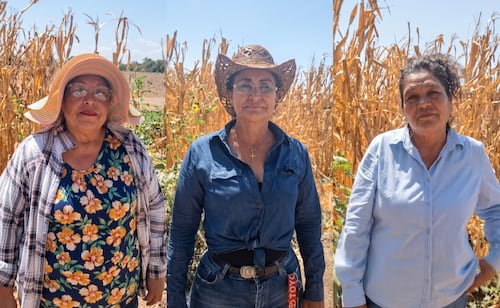
Agricultural producers in Sinaloa, Mexico, have voiced strong support for a planned fertilizer plant in Topolobampo, viewing it as a crucial step for regional agricultural and economic advancement. Women working in the primary sector highlighted the project's potential to provide greater certainty for producers who have long struggled with volatile international markets for essential agricultural inputs.
The plant has been in the works for years. It brings benefits because it's something we need here in Sinaloa for the fields, and closer for the producers.
"The plant has been in the works for years. It brings benefits because it's something we need here in Sinaloa for the fields, and closer for the producers," said Audela Huichez Ríos, a chickpea producer. Farmers emphasized that local fertilizer production would cut transportation costs and reduce dependence on intermediaries, directly impacting production expenses.
The project is also anticipated to generate significant employment. Estimates suggest 3,000 direct jobs during construction and 300 permanent positions once operational, in addition to over 7,000 indirect jobs. Luciana Pérez López, a wheat and sorghum producer, believes the plant will "give life to the sector and be a source of jobs so our pockets have returns."
This plant will give life to the sector and be a source of jobs so our pockets have returns.
Furthermore, producers see the plant as a move towards greater self-sufficiency in fertilizer supply, lessening reliance on imports. Sandra Lorenza López Castro, a bean producer, noted the logistical and economic advantages of having the plant nearby, stating, "It will be of great benefit to producers, as we will have a lower fertilizer price, it will be a source of work."
It will be of great benefit to producers, as we will have a lower fertilizer price, it will be a source of work.
DistantNews Editorial
Originally published by El Universal in Spanish. Translated, summarized, and contextualized by our editorial team with added local perspective. Read our editorial standards.
More Stories


From Our Blog

What Press Freedom Means for the News You Read

What Gets Lost (and Found) When News Is Translated

The Critical Role of Diaspora Media in Global News

What Travellers Should Know About Countries with Restricted Press

A Digital Nomad's Guide to Following Local News
