

Singapore's Cross Island Line to Add Four Stations by Late 2030s
Translated from English, summarized and contextualized by DistantNews.
At a glance
News
Named sources
New plan
- Four new stations will be added to Singapore's Cross Island Line (CRL) by the late 2030s.
- The extension will connect Taman Jurong residents and western industrial estates, improving travel times.
- Transport Minister Jeffrey Siow announced the expansion, which involves land acquisition and construction starting next year.
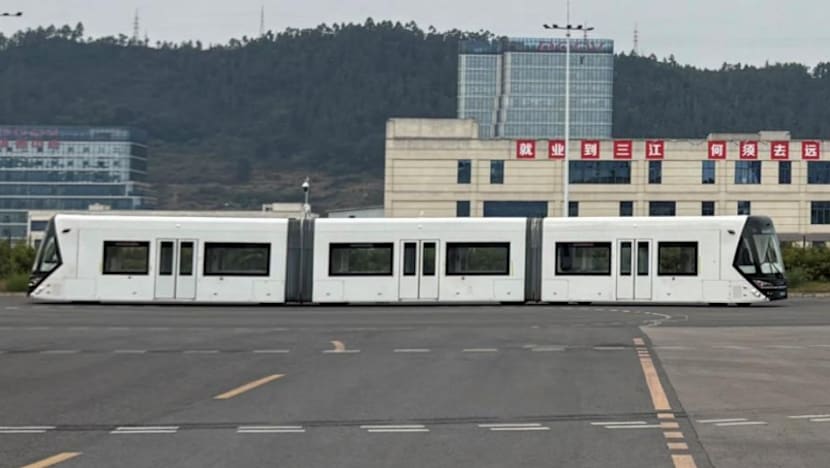
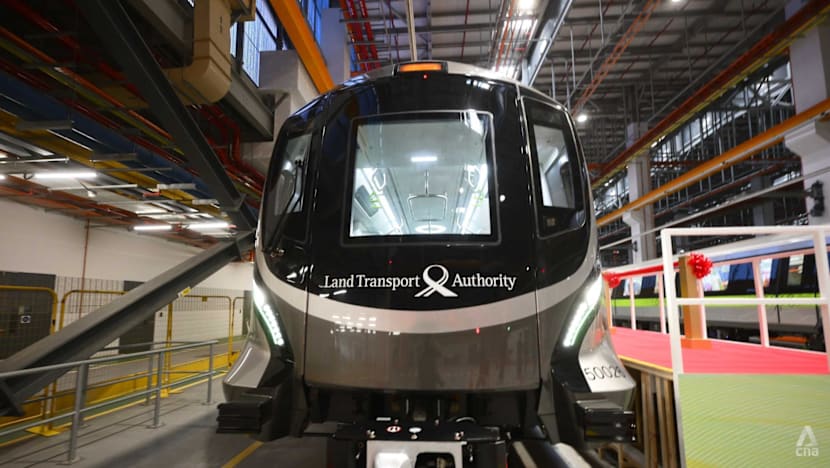
Singapore's public transport network is set to expand with four new stations on the Cross Island Line (CRL), aimed at serving Taman Jurong residents and workers in western industrial estates. Transport Minister Jeffrey Siow announced the development on Friday, stating the new stations are targeted to open by the late 2030s.
This extension, designated as CRL3, will span approximately 10 kilometers and is slated to begin construction next year. It will feature an interchange at Gul Circle station, connecting to the East-West Line, and another linking to the Jurong Region Line. The government will acquire seven industrial properties in full and eight partially to facilitate the project.
Minister Siow highlighted the CRL's crucial role in strengthening the MRT network's resilience. "During a service disruption, it means more commuters will have alternative routes to get to where they want to go, without having to leave the MRT network," he explained. With the addition of CRL3, the entire Cross Island Line will extend to about 67 kilometers, becoming Singapore's longest fully underground MRT line.
The new stations, temporarily labeled CR20, CR21, and CR22, will be strategically located. CR20 will serve areas near Jurong Lake Gardens, CR21 will act as a gateway to Jurong Island, and CR22 will be situated at the eastern end of Gul Circle, catering to developments in the Benoi and Gul areas. A second CRL rail depot will also be constructed at the former Raffles Country Club site, co-located with a bus depot.
During a service disruption, it means more commuters will have alternative routes to get to where they want to go, without having to leave the MRT network.
DistantNews Editorial
Originally published by CNA in English. Translated, summarized, and contextualized by our editorial team with added local perspective. Read our editorial standards.
More Stories


From Our Blog

What Gets Lost (and Found) When News Is Translated

The Critical Role of Diaspora Media in Global News

What Travellers Should Know About Countries with Restricted Press

A Digital Nomad's Guide to Following Local News

How the Same Story Looks Different in Different Countries
