


Singapore School Bullies to Face Punishments Similar to Vaping Offenders
Translated from English, summarized and contextualized by DistantNews.
TLDR
- Singapore's Ministry of Education (MOE) is implementing a stricter framework for student misconduct, aligning penalties for bullying with those for vaping.
- First-time offenders of serious misconduct face detention, suspension, and potential caning for older boys, with repeat offenders facing more severe consequences.
- The new guidelines, developed after a comprehensive review, aim for a more consistent approach across schools and will be fully implemented by 2027.
Singapore is tightening its approach to student discipline, with the Ministry of Education (MOE) announcing a stricter framework that equates the penalties for bullying with those for vaping. This move signifies a clear message from the authorities: disruptive and harmful behavior will be met with firm consequences. The updated guidelines aim to ensure a more uniform and consistent application of disciplinary measures across all schools, addressing previous variations in how cases were handled.
The new framework introduces a tiered system of consequences for misconduct. First-time offenders of serious offenses can expect detention, suspension, and a lowered conduct grade. For older boys, caning is a possibility in aggravated cases. Repeat offenders and those committing very serious offenses face even harsher penalties, including extended detention or suspension, significantly lower conduct grades, and potentially more strokes of the cane. This stringent approach underscores the government's commitment to maintaining order and safety within educational institutions.
However, the MOE is careful to balance these punitive measures with a rehabilitative approach. Counselling and restorative processes are integral to the new system, aiming to help students learn from their mistakes and reintegrate positively. The ministry acknowledges the complexities involved in managing student behavior, including factors like age, maturity, and special educational needs, which will be considered before administering punishments like caning. This nuanced approach reflects Singapore's broader educational philosophy, which emphasizes both discipline and character development.
From Singapore's perspective, this policy update is a necessary adaptation to ensure our schools remain safe and conducive learning environments. While international coverage might focus on the caning aspect, which is often a point of discussion, the local context emphasizes the holistic nature of the reforms. The goal is not simply to punish but to instill a sense of responsibility and respect among students. The statistics showing a slight increase in bullying cases over recent years highlight the need for these decisive actions. The progressive implementation ensures that schools can adapt effectively, reinforcing Singapore's dedication to nurturing well-rounded and disciplined young citizens.
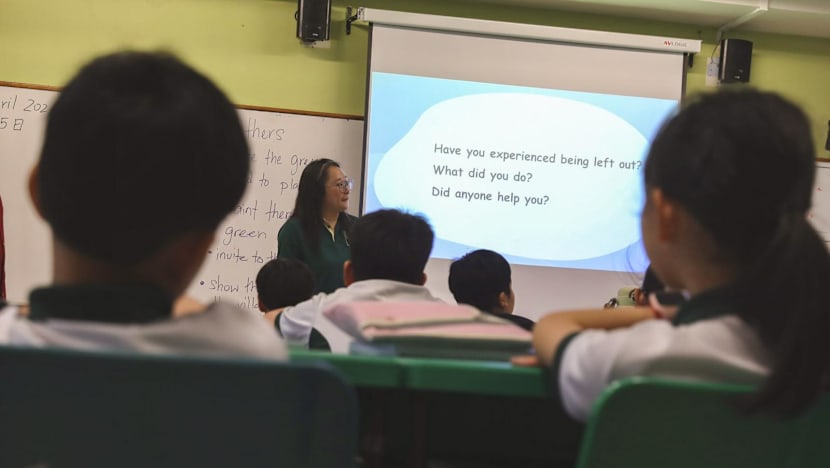
The more stringent framework aims to ensure a more consistent approach across schools.
DistantNews Editorial
Originally published by CNA in English. Translated, summarized, and contextualized by our editorial team with added local perspective. Read our editorial standards.
More Stories



From Our Blog

What Gets Lost (and Found) When News Is Translated

The Critical Role of Diaspora Media in Global News

What Travellers Should Know About Countries with Restricted Press

A Digital Nomad's Guide to Following Local News

How the Same Story Looks Different in Different Countries
