

Singapore to shorten timber scaffold use to three months for fire safety
Translated from English, summarized and contextualized by DistantNews.
At a glance
News
Named sources
New plan
- Singapore will reduce the maximum usage period for timber scaffolds from nine months to three months, starting in 2027.
- The change aims to improve fire safety by mitigating risks associated with prolonged use of combustible materials, especially near hot work.
- Authorities are also considering new fire-retardant requirements for scaffold netting.
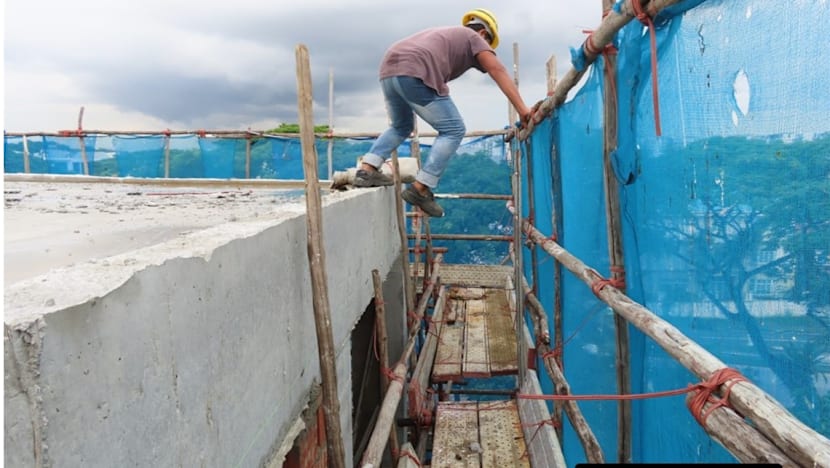
Singapore is tightening fire safety regulations for construction sites by significantly shortening the allowable use of timber scaffolds. From 2027, timber scaffolds can only be used for a maximum of three months, down from the current nine months. This measure is intended to reduce fire risks, particularly in environments where "hot works" are conducted, by limiting the prolonged presence of combustible timber.
The Ministry of Manpower (MOM) announced the new rule, stating it also addresses concerns about the deterioration of timber over time due to weather and damage. Regular renewal and replacement of scaffold materials will be encouraged, reducing the chance of undetected defects and promoting the use of safer, non-combustible alternatives like steel and aluminum.
To improve fire safety at construction sites, Singapore will shorten the duration for which scaffolds made of timber can be used.
Manpower Minister Tan See Leng also indicated that authorities are exploring new fire safety requirements for scaffold netting, aiming to limit flame spread. These potential obligations could extend to scaffold contractors, netting manufacturers, and suppliers. The review was partly influenced by findings from a deadly fire in Hong Kong in 2025, which involved scaffolding that did not meet safety codes, although Singapore does not permit bamboo scaffolds.
Shortening the permissible duration promotes regular renewal and replacement of scaffold materials, reduces the likelihood of undetected defects, and encourages the adoption of more durable, non-combustible scaffold systems such as steel, aluminium and metal modular scaffold systems.
DistantNews Editorial
Originally published by CNA in English. Translated, summarized, and contextualized by our editorial team with added local perspective. Read our editorial standards.
More Stories

From Our Blog

What Gets Lost (and Found) When News Is Translated

The Critical Role of Diaspora Media in Global News

What Travellers Should Know About Countries with Restricted Press

A Digital Nomad's Guide to Following Local News

How the Same Story Looks Different in Different Countries
