


Slovo Gorčina Festival Honors Poet Mak Dizdar's Legacy in Bosnia and Herzegovina
Translated from Croatian, summarized and contextualized by DistantNews.
At a glance
In-depth
Named sources
Context piece
- The "Slovo Gorčina" festival in Stolac, Bosnia and Herzegovina, celebrates the legacy of poet Mak Dizdar and fosters regional artistic exchange.
- The festival, now in its 55th year, brings together writers, musicians, and artists from across the region.
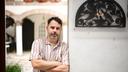
- Gorčin Dizdar, Mak's grandson and festival board president, discusses the enduring relevance of his grandfather's work and the festival's mission.
Stolac, Bosnia and Herzegovina, is set to host the 55th edition of the "Slovo Gorčina" festival, an event that has, for over half a century, transformed the town into a vital cultural hub for the region. Held annually in late July, the festival gathers prominent writers, musicians, and artists amidst the historical backdrop of stećci tombstones and local landmarks, continuing the vision of one of the region's most significant poets, Mak Dizdar.
This year's "Slovo Gorčina" will feature notable figures such as Zlatan Stipišić Gibonni, Rambo Amadeus, and Svetislav Basara, alongside other respected authors. The festival remains dedicated to its core mission: preserving Mak Dizdar's literary heritage while providing a platform for emerging poetic voices. Gorčin Dizdar, the president of the festival's management board and Mak Dizdar's grandson, spoke about the realization of his grandfather's vision in contemporary times.
Gorčin Dizdar highlighted the festival's enduring significance, noting that Mak Dizdar's poetry continues to resonate decades after it was written. He emphasized that the event serves not only to honor his grandfather's legacy but also to foster a sense of shared cultural identity within Bosnia and Herzegovina and the broader Balkan region. The festival's ability to convene artists from diverse backgrounds underscores the unifying power of poetry and art.
The conversation also touched upon the challenges of organizing such a significant cultural event and the importance of preserving Mak Dizdar's work. Gorčin Dizdar reflected on how his grandfather, described as a convinced leftist in his youth who was disillusioned by the actions of authorities in socialist Yugoslavia, channeled his experiences and observations into his poetry. The festival stands as a testament to the lasting impact of Dizdar's work and its ability to bridge generations and artistic disciplines.
In his youth, he was a convinced leftist and disillusioned by the actions of the authorities in socialist Yugoslavia.
DistantNews Editorial
Originally published by Večernji List in Croatian. Translated, summarized, and contextualized by our editorial team with added local perspective. Read our editorial standards.
More Stories



From Our Blog

What Gets Lost (and Found) When News Is Translated

The Critical Role of Diaspora Media in Global News

What Travellers Should Know About Countries with Restricted Press

A Digital Nomad's Guide to Following Local News

How the Same Story Looks Different in Different Countries
