

Small Producers Thrive in 's'Fachl' Retail Network Across Austria and Germany
Translated from German, summarized and contextualized by DistantNews.
At a glance
In-depth
Named sources
Context piece
- "s'Fachl," a retail concept where small producers rent shelf space, has expanded to 38 locations across Austria and Germany.
- The business model allows artisans and small manufacturers to test the market with minimal risk, renting small spaces for an average of 14 euros per week.
- While regionality is a factor, the core appeal lies in offering unique products, with some producers successfully transitioning to larger retail markets.
What began as a pilot concept in late 2015 has blossomed into a significant retail network. "s'Fachl," a unique business model allowing small producers to rent shelf space and sell their goods, now boasts 38 locations throughout Austria and Germany, with plans for further expansion.
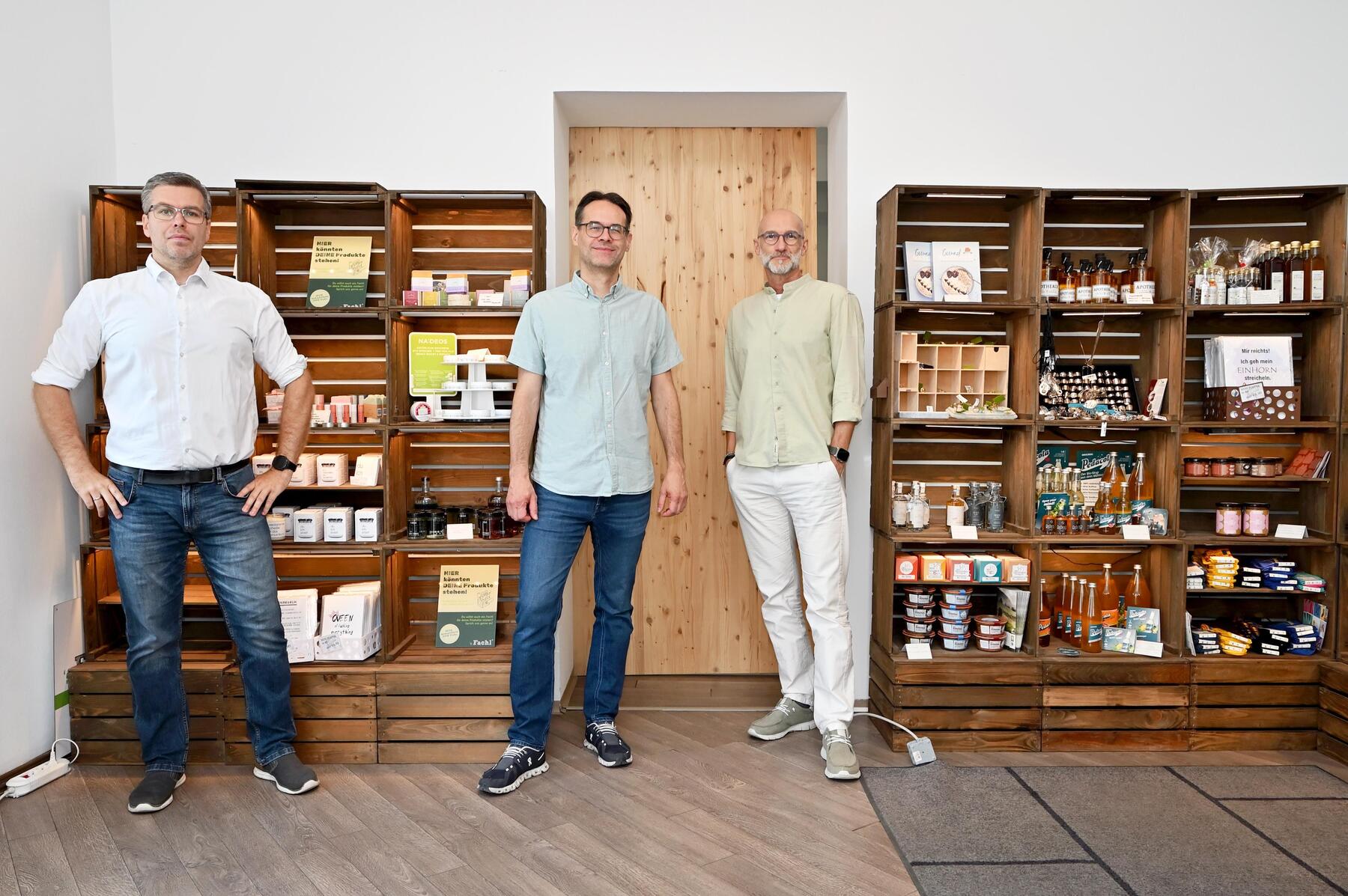
Christian Hammer and Markus Bauer, the co-founders, were inspired by a television report about a German family selling items in rented shelves. Roland Huber, who learned about their venture through a newspaper article, joined them shortly after, becoming a key figure in the company's growth. "s'Fachl" operates on a simple principle: artisans and small manufacturers can rent a small section of a shelf to showcase and sell their products. This approach provides a low-risk entry point for testing market viability.
Currently, over 10,000 sales spaces are utilized within "s'Fachl" locations. These spaces, often housed in repurposed fruit crates, display a diverse array of products, primarily in the design, creative, and culinary sectors. Offerings range from handmade soaps and jewelry to artisanal vinegars, pumpkin seed oil, and gin. Some locations even feature services, such as tandem flight vouchers in Salzburg, demonstrating the model's adaptability.
The success of products can be unpredictable, as noted by Bauer. "There's the felt example," he said, recalling how felt products sold exceptionally well in Innsbruck but failed to gain traction in Linz. Conversely, Huber shared instances where initially unpromising product inquiries led to unexpectedly strong sales. "We sometimes had inquiries where we thought: That's boring, but okay, let's do it for five weeks. And then the product took off like a rocket." This element of surprise, coupled with the low-risk testing environment, where a shelf costs an average of 14 euros per week and "s'Fachl" takes a 10% commission on sales, keeps the concept attractive to small-scale producers seeking visibility for their initial steps into the market.
DistantNews Editorial
Originally published by Die Presse in German. Translated, summarized, and contextualized by our editorial team with added local perspective. Read our editorial standards.
More Stories


From Our Blog

What Gets Lost (and Found) When News Is Translated

The Critical Role of Diaspora Media in Global News

What Travellers Should Know About Countries with Restricted Press

A Digital Nomad's Guide to Following Local News

How the Same Story Looks Different in Different Countries
