


Soroti Case of Muara Enim Regent, ICW Says WTP Now a Commodity
Translated from Indonesian, summarized and contextualized by DistantNews.
At a glance
News
Named sources
Context piece
- Indonesia Corruption Watch (ICW) criticizes the "Wajar Tanpa Pengecualian" (WTP) audit opinion, calling it a "commodity" and political tool.
- ICW argues that the WTP predicate no longer reflects good fiscal management but is pursued by regional heads for incentives and political image.
- The watchdog cites the Muara Enim Regent bribery case and lenient sentences for BPK officials as evidence of systemic issues.
Indonesia Corruption Watch (ICW) has sharply criticized the "Wajar Tanpa Pengecualian" (WTP), or "fair without exception," audit opinion issued by the Audit Board of Indonesia (BPK). ICW argues that the WTP predicate has devolved into a mere "commodity" and a tool for political image-making, rather than a genuine indicator of sound regional fiscal management.
"The WTP predicate is no longer interpreted as the result of good financial management, but is pursued by regional heads as a ticket to obtain fiscal incentives and a tool for political imaging," stated ICW investigative staff Azhim. He added, "BPK's audit opinion has become a trading commodity."
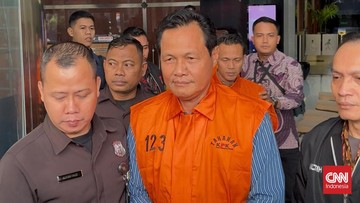
ICW's assessment stems from the alleged bribery case involving the Muara Enim Regent, Edison, and several BPK officials. This case reportedly involved the audit of the Muara Enim Regency's financial reports for the 2025 fiscal year. ICW also points to the policy of cutting regional transfer funds and village funds (TKDD), suggesting it creates new avenues for corruption as local governments race to secure WTP status for incentives and additional funds.
Furthermore, ICW highlighted the leniency of sentences handed down to defendants in related cases. The conviction of Achsanul Qosasi, a former BPK member found guilty of corruption in the BTS case, resulted in only a 2.5-year prison sentence. "Such a low sentence fails to serve as an early warning system; instead, it's a breath of fresh air for other BPK officials with similar intentions," Azhim commented.
ICW also raised concerns about the politicized recruitment of BPK members, noting that many implicated in corruption cases originated from political parties or were former members of the House of Representatives (DPR). The watchdog believes the internal oversight of BPK has failed, with most cases being uncovered by the Corruption Eradication Commission (KPK) or the Attorney General's Office, rather than BPK's own ethics council.
DistantNews Editorial
Originally published by CNN Indonesia in Indonesian. Translated, summarized, and contextualized by our editorial team with added local perspective. Read our editorial standards.
More Stories


From Our Blog

What Gets Lost (and Found) When News Is Translated

The Critical Role of Diaspora Media in Global News

What Travellers Should Know About Countries with Restricted Press

A Digital Nomad's Guide to Following Local News

How the Same Story Looks Different in Different Countries
