


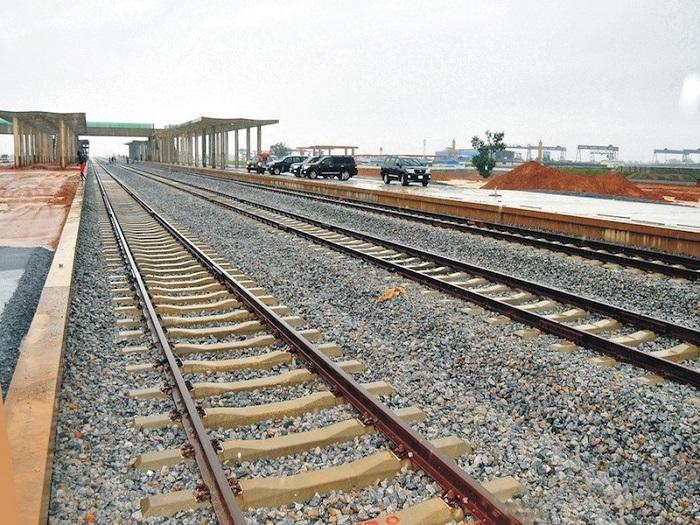
South Africa leads Africa with most extensive rail network, data shows
Translated from English, summarized and contextualized by DistantNews.
At a glance
News
Sources not specified
Context piece
- South Africa leads the continent with over 30,000 kilometers of railway lines, according to 2026 data.
- Sudan and Egypt follow with 7,251km and 5,085km respectively, rounding out the top three.
- The data highlights the importance of rail networks for connecting cities, supporting trade, and economic activity across Africa.
South Africa boasts the most extensive railway network in Africa, with over 30,400 kilometers of track, according to 2026 data from Global Firepower. This vast network underscores the nation's significant investment in transport infrastructure, connecting major cities, industrial centers, and ports.
Sudan ranks second on the continent with 7,251 kilometers of railway lines, followed closely by Egypt, which has 5,085 kilometers. Mozambique and Tanzania complete the top five, with 4,787 kilometers and 4,097 kilometers of rail coverage, respectively. These networks are crucial for facilitating trade and supporting economic activity across their regions.
Other African nations with substantial rail infrastructure include Algeria (4,020km), the Democratic Republic of the Congo (4,007km), Kenya (3,819km), Nigeria (3,798km), and Zimbabwe (3,427km). Globally, South Africa ranks eighth in terms of total rail coverage, while Sudan is the second-highest-ranked African country at 31st worldwide. Nigeria's network places it ninth in Africa and 51st globally.
Railway networks are vital components of Africa's transport infrastructure. They play a key role in connecting major cities, industrial hubs, ports, and agricultural regions. By supporting trade and economic activity, these rail lines are essential for the continent's development and integration.
DistantNews Editorial
Originally published by Vanguard in English. Translated, summarized, and contextualized by our editorial team with added local perspective. Read our editorial standards.
More Stories


From Our Blog

How the Same Story Looks Different in Different Countries

What Gets Lost (and Found) When News Is Translated

The Critical Role of Diaspora Media in Global News

What Travellers Should Know About Countries with Restricted Press

A Digital Nomad's Guide to Following Local News
