


South Kalimantan Choked by Haze from Peatland Fires
Translated from Indonesian, summarized and contextualized by DistantNews.
At a glance
News
Sources not specified
Ongoing story
- South Kalimantan, Indonesia, is experiencing thick haze caused by forest and land fires, particularly on peatlands.
- Firefighting efforts are complicated by the dry season and the nature of peat fires, which can spread underground.
- Officials are working to channel water into affected areas, and the haze is reducing visibility and disrupting daily life.
A dense haze has settled over parts of South Kalimantan, Indonesia, significantly reducing visibility and disrupting the daily lives of residents. The phenomenon, which has intensified in recent days, is primarily attributed to widespread forest and land fires burning across the region, especially in peatland areas.
According to the South Kalimantan Forestry Service, the haze is concentrated in areas like Landasan Ulin and Liang Anggang in Banjarbaru City, and Bati Bati in Tanah Laut Regency. These locations are peatlands, which are notoriously difficult to extinguish once ignited. Fires in peat can spread unseen beneath the surface, continuing to burn even when visible flames are absent, and the resulting smoke can linger for extended periods, exacerbated by dry weather conditions.
This is because these areas are peatlands that are on fire.
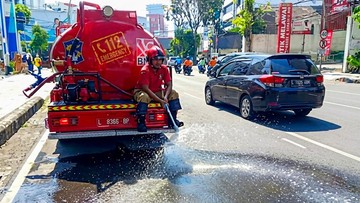
Firefighting operations are underway, involving provincial and local disaster management agencies, specialized Manggala Agni teams, and private firefighting groups. However, the peak of the dry season presents significant challenges, particularly the limited availability of water. Efforts are being made to channel water into canals within protected forest areas to support suppression activities, with assistance also coming from several mining companies.
Despite these efforts, the situation remains critical. Visibility has dropped to as low as 10 meters in some areas, impacting motorists and daily routines. Environmental activists suggest that the recurring fires point to deeper issues in environmental management beyond the current dry spell, indicating a need for more comprehensive long-term solutions.
The current haze update is getting worse and is predicted to worsen in the future.
DistantNews Editorial
Originally published by Tempo in Indonesian. Translated, summarized, and contextualized by our editorial team with added local perspective. Read our editorial standards.
More Stories


From Our Blog

What Gets Lost (and Found) When News Is Translated

The Critical Role of Diaspora Media in Global News

What Travellers Should Know About Countries with Restricted Press

A Digital Nomad's Guide to Following Local News

How the Same Story Looks Different in Different Countries
