


South Korea considers special disaster zone status for flood-hit areas
Translated from Korean, summarized and contextualized by DistantNews.
At a glance
News
Sources not specified
New plan
- South Korea's Deputy Prime Minister and Minister of Economy and Finance, Koo Yun-cheol, announced that the government is considering designating flood-stricken areas like Geoje and Tongyeong as special disaster zones.
- The government plans to mobilize all available resources to support the swift recovery of residents in affected regions and is also addressing price increases due to heatwaves and heavy rains.
- Koo also commented on the nation's economic outlook, noting upward revisions to growth forecasts by major institutions, while acknowledging lingering uncertainties from the Middle East conflict.
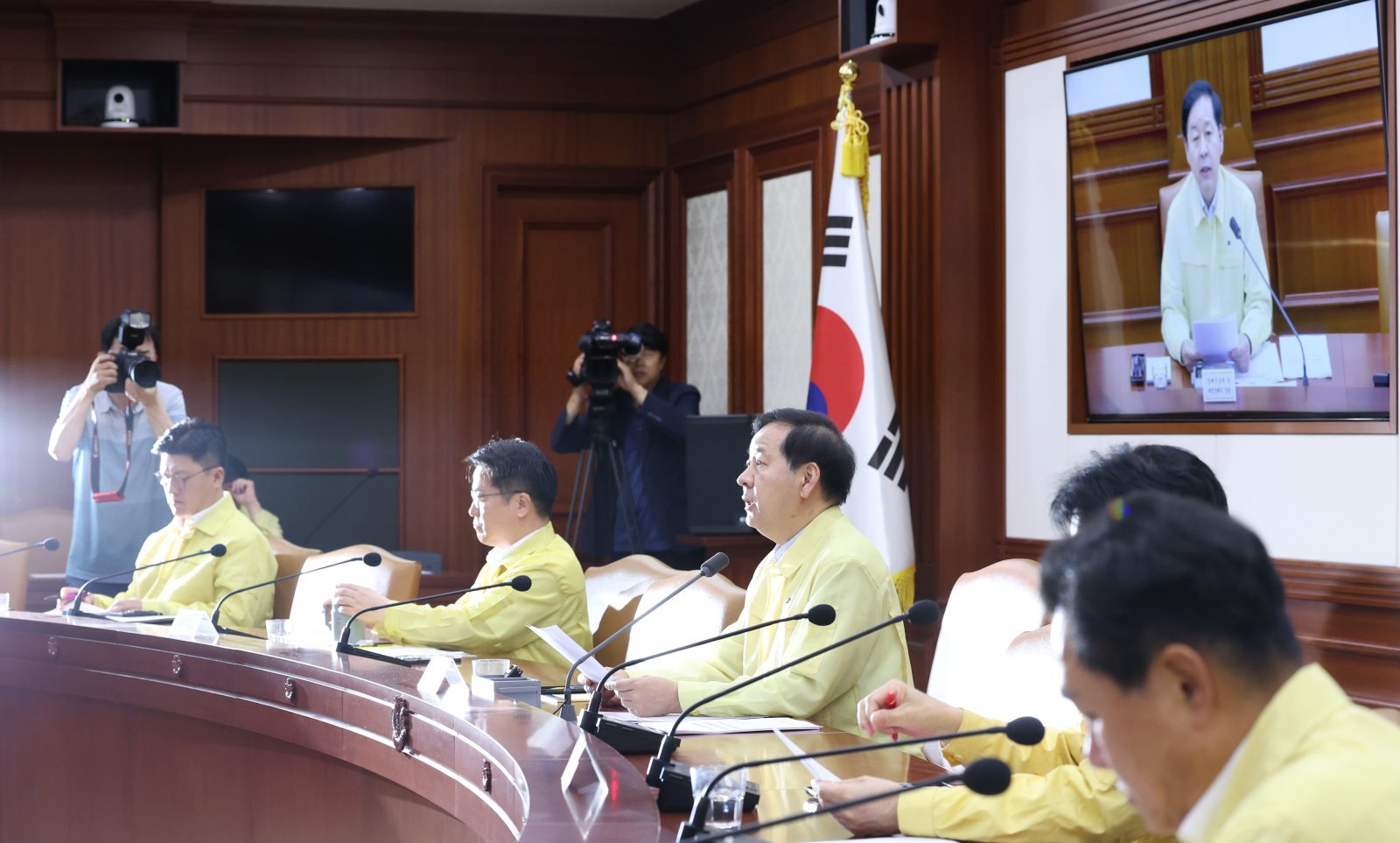
South Korea's Deputy Prime Minister and Minister of Economy and Finance, Koo Yun-cheol, stated on June 20th that the government is considering designating areas like Geoje and Tongyeong as special disaster zones following severe damage from recent heavy rains. The announcement came during a meeting of the emergency economic headquarters, economic ministers, and the task force for special management of living costs.
We will mobilize all available means to support the swift recovery of residents in the affected areas.
"We will mobilize all available means to support the swift recovery of residents in the affected areas," Koo assured attendees. He also addressed the broader economic challenges, including price hikes caused by heatwaves and heavy rainfall. The government is pursuing joint measures with relevant ministries to stabilize living costs. Furthermore, Koo indicated a firm stance against unfair trade practices by monopolistic platforms, collusion, and deceptive consumer behavior, vowing strict enforcement.
Reflecting on the national economic performance, Koo noted that major institutions have consecutively revised their growth forecasts for the year upwards to the 3% range, citing increased exports. He highlighted the country's robust external financial health, evidenced by a stable ratio of short-term foreign debt to foreign exchange reserves, which remains in the early 40% range. Additionally, the Credit Default Swap (CDS) premium has reportedly fallen below pre-Middle East conflict levels, indicating improved financial stability.
Major institutions have consecutively revised their growth rate forecasts for our economy to the 3% range this year.
However, Koo cautioned that uncertainties surrounding the Middle East conflict are escalating, particularly as the 60-day ceasefire memorandum of understanding between the United States and Iran nears its expiration. He emphasized the government's commitment to ensuring energy and supply chain stability, promising to review emergency response measures and adjust them flexibly based on evolving circumstances. The government is scheduled to announce the decision on the 9th round of maximum oil prices, effective June 22nd at midnight, taking into account recent international oil price increases and the burden on consumers.
Uncertainties surrounding the Middle East conflict are growing again, with the expiration of the 60-day ceasefire memorandum of understanding between the US and Iran.
DistantNews Editorial
Originally published by Hankyoreh in Korean. Translated, summarized, and contextualized by our editorial team with added local perspective. Read our editorial standards.
More Stories



From Our Blog

What Gets Lost (and Found) When News Is Translated

The Critical Role of Diaspora Media in Global News

What Travellers Should Know About Countries with Restricted Press

A Digital Nomad's Guide to Following Local News

How the Same Story Looks Different in Different Countries
