


South Korea eyes property tax reform as semiconductor boom risks fueling real estate bubble
Translated from Korean, summarized and contextualized by DistantNews.
At a glance
News
Named sources
Context piece
- South Korea's nominal GDP growth is projected to exceed 10% this year, driven by a surge in semiconductor exports and AI investment.
- Despite strong macroeconomic indicators like record current account surplus and a falling debt ratio, consumer prices remain subdued, creating a gap between economic performance and public sentiment.
- Officials express concern that the wealth generated by the semiconductor boom could flow into the real estate market, exacerbating economic inequality and urging a rational adjustment of property taxes.
South Korea's economy is experiencing a significant boom, with nominal GDP growth expected to surpass 10% this year. This surge is primarily fueled by explosive global investment in artificial intelligence, which has dramatically increased demand for semiconductors. Major companies like Samsung Electronics and SK Hynix have reported skyrocketing operating profits, pushing the KOSPI index above 9,000 points and generating a record current account surplus.
Officials note that this economic upswing is not merely an illusion. The influx of dollars is substantial, leading to a projected decrease in the national debt ratio to below 50%. Furthermore, the target of achieving a per capita income of $40,000, initially set for 2028, is now expected to be met much sooner. Corporate tax revenues have also surged, providing increased fiscal flexibility.
If the national wealth earned by semiconductors is absorbed by speculative real estate gains and the fruits of growth are concentrated in the hands of a few, this boom will not last long.
However, a significant disconnect exists between these robust macroeconomic figures and the everyday experience of citizens. While the GDP deflator has exceeded 10%, the consumer price index has remained around 3%. Small businesses are struggling with vacant storefronts, even as major corporations thrive. This disparity raises concerns about wealth concentration and the equitable distribution of economic gains.
The fruits of the boom flow upwards, and the pain of austerity flows downwards.
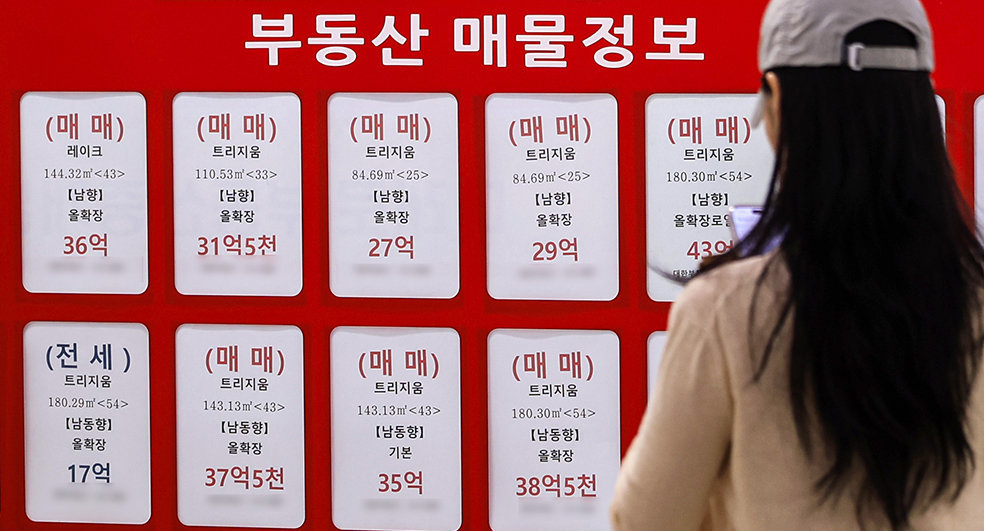
Adding to the complexity, the surge in semiconductor exports has paradoxically led to a weaker won, driven by foreign investors rebalancing their portfolios. This currency depreciation increases import costs and domestic prices, while diminishing the profitability of domestic companies. Officials are particularly worried about the potential inflow of liquidity from the semiconductor boom into the real estate market, echoing past trends.
To mitigate this risk, there is a call for a "rational adjustment" of property taxes, including holding and capital gains taxes. The concern is that if the wealth generated by the boom concentrates in assets like real estate, the gap between economic indicators and lived reality will widen, leading to further economic imbalance. The ultimate question, officials state, is how to channel this newfound fiscal capacity and corporate profits towards youth, vulnerable populations, and future industries to ensure this boom serves as a springboard out of low growth.
The question is where to channel this money.
DistantNews Editorial
Originally published by Hankyoreh in Korean. Translated, summarized, and contextualized by our editorial team with added local perspective. Read our editorial standards.
More Stories


From Our Blog

What Gets Lost (and Found) When News Is Translated

The Critical Role of Diaspora Media in Global News

What Travellers Should Know About Countries with Restricted Press

A Digital Nomad's Guide to Following Local News

How the Same Story Looks Different in Different Countries
