

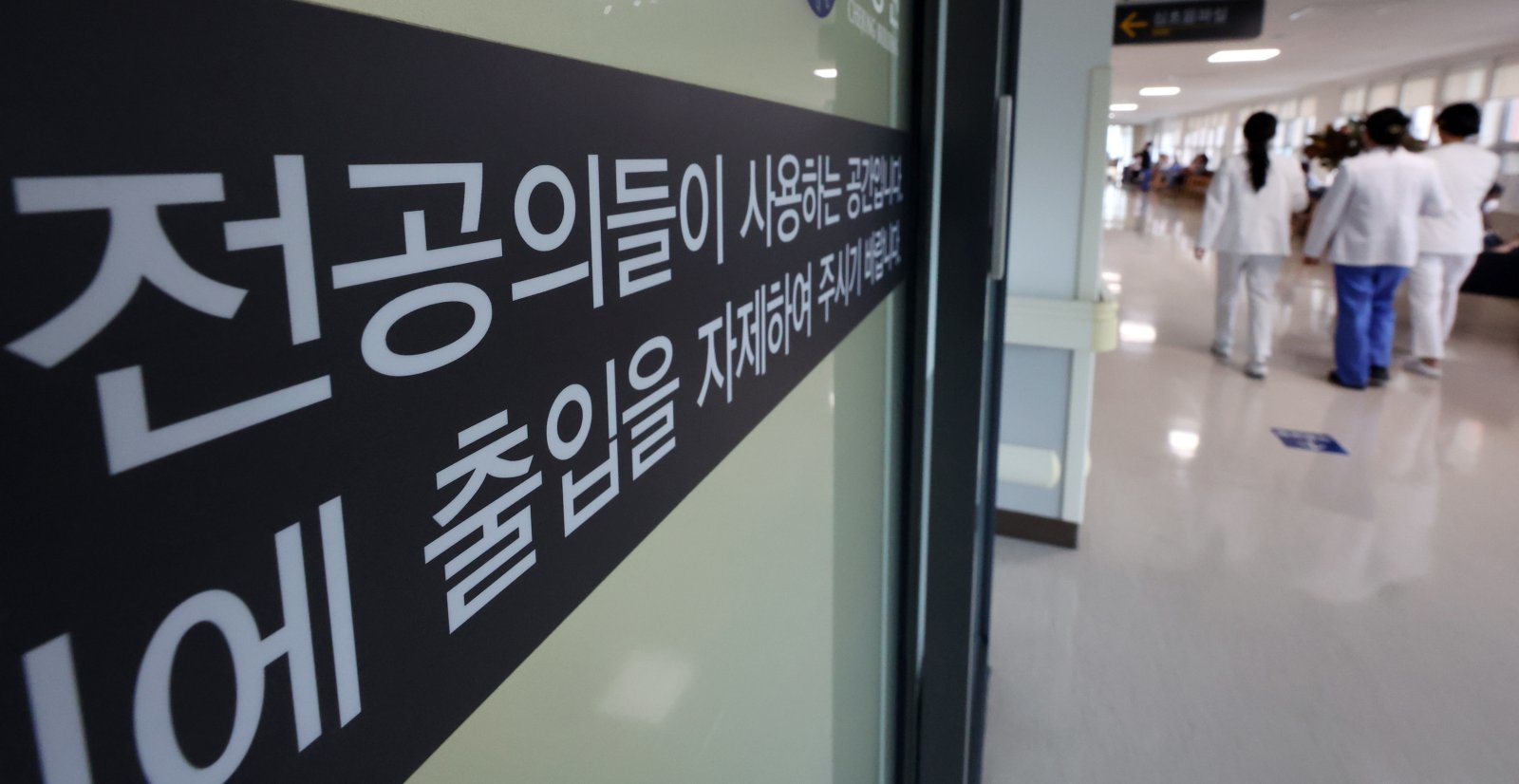

South Korea proposes shifting healthcare focus to local, primary care
Translated from Korean and summarized by DistantNews. Read the original for the full story.
At a glance
News
Named sources
New plan
- South Korea's Healthcare Innovation Committee proposed a 'Healthcare Innovation Recommendation' to strengthen local primary care, enabling residents to manage their health near their homes.
- The recommendation aims to shift the healthcare system towards a community-centered model to meet the growing demands of an aging society.
- Key proposals include reorganizing local health centers and primary care institutions to focus on disease prevention, chronic disease management, and integrated care, with funding allocated based on regional health needs.
South Korea's Healthcare Innovation Committee has unveiled a set of recommendations aimed at bolstering local primary care services, ensuring residents can access health management, including disease prevention, conveniently within their communities. The committee's "Healthcare Innovation Recommendation" seeks to transition the nation's healthcare system into a community-focused model to address the escalating medical and care demands of an increasingly aging population.
The committee, established in December as an advisory body to the Prime Minister, has been discussing key healthcare reform initiatives for the current administration. This latest set of recommendations follows previous proposals made in June concerning improvements in high-risk maternal and neonatal care, and the expansion of integrated nursing and care services.
Central to the new recommendations is the restructuring of local public health centers and primary care institutions. Public health centers would concentrate on strategic planning for regional health policies, public health crisis response, and overall coordination of regional health efforts. Meanwhile, primary care providers would take on the responsibility for managing chronic diseases, preventive care, and home-visit services. This shift aims to move away from a fragmented, project-based operational structure towards a collaborative system where local health and primary care institutions jointly manage the health of residents.
In an ultra-aged society, we must transition to a system where residents can proactively monitor their health and receive necessary medical and care services continuously close to where they live.
To support this integrated approach, the committee also proposed the establishment of a unified information system that links local health, medical service utilization, and integrated care data. Furthermore, it recommended a transition in the financial support system, moving away from allocations based solely on population size or existing budgets. Instead, funding should be determined by the specific health needs of each region, particularly focusing on chronic disease management. Potential funding sources suggested include the Local Government Fiscal Autonomy Fund, a special account for essential regional medical services, and the National Health Promotion Fund.
Jeong Ki-hyun, the committee's chairman, emphasized the necessity of a system where individuals can proactively monitor their health and receive continuous medical and care services close to home in an ultra-aged society. He expressed hope that these recommendations will serve as a catalyst for local health and primary care sectors to collaborate beyond their individual domains and collectively take responsibility for community health. The committee also announced plans for a second public deliberation on the "DNR Decision System" in November.
We hope these recommendations will serve as a starting point for local public health and primary care to move beyond their respective areas and jointly take responsibility for the health of local residents.
About this summary
Originally published by Hankyoreh in Korean. Translated, summarized, and contextualized automatically by DistantNews, with a note on how the source frames the story. Not individually reviewed before publishing. How this works.
More Stories


From Our Blog

What Gets Lost (and Found) When News Is Translated

The Critical Role of Diaspora Media in Global News

What Travellers Should Know About Countries with Restricted Press

A Digital Nomad's Guide to Following Local News

How the Same Story Looks Different in Different Countries
