


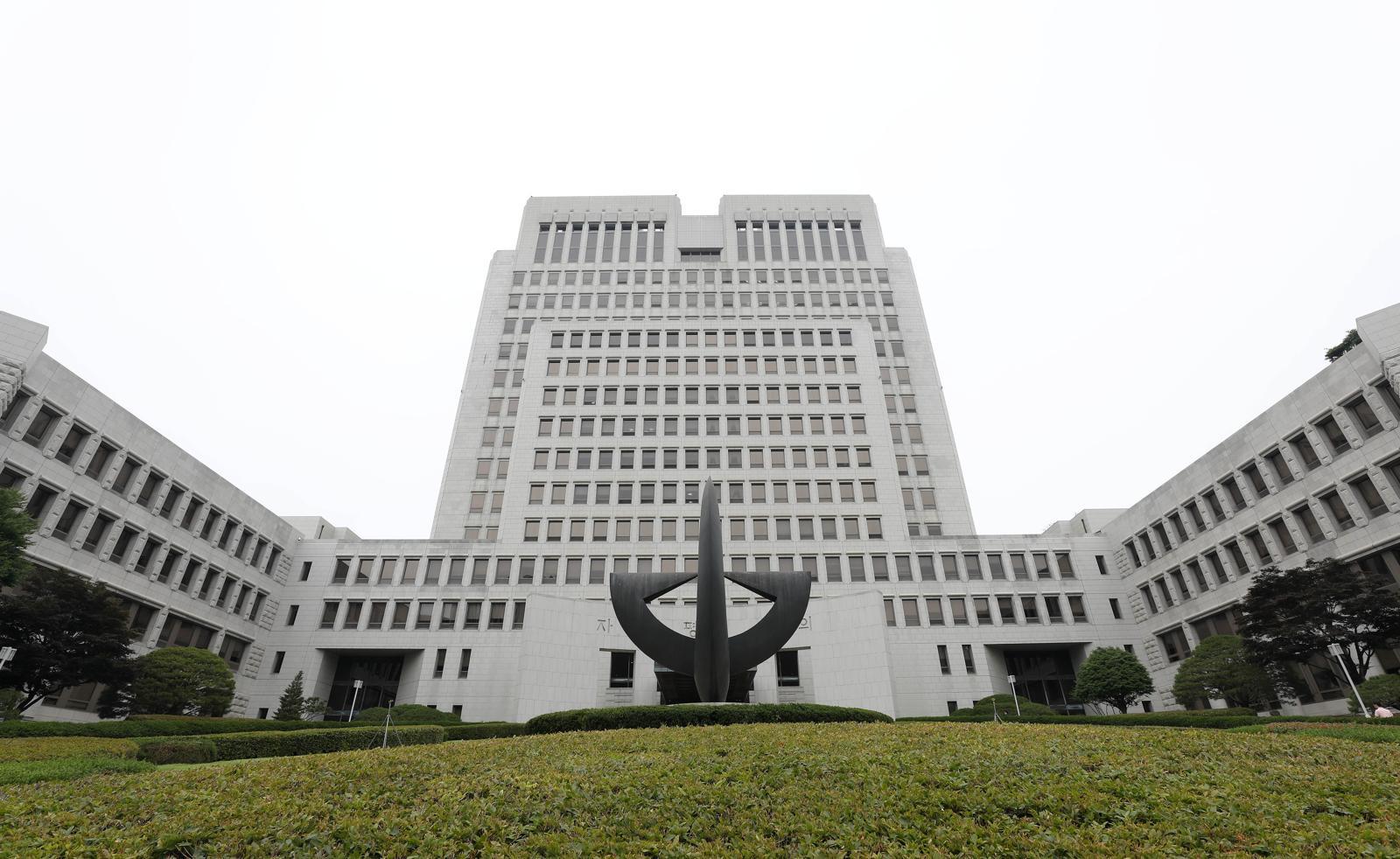
South Korea's Top Court Changes 26-Year-Old Military Insult Ruling
Translated from Korean, summarized and contextualized by DistantNews.
At a glance
News
Sources not specified
Outcome reported
- South Korea's Supreme Court overturned a 26-year-old precedent on insulting a superior officer in the military.
- The new ruling states that merely insulting a superior in a way that can be perceived by others is insufficient to constitute the crime.
- The court clarified that the insult must be delivered through methods equivalent to public disclosure, such as through documents, drawings, or speeches.
South Korea's Supreme Court has overturned a 26-year-old legal precedent, significantly altering the definition of insulting a superior officer within the military. The landmark ruling, issued by the Supreme Court's en banc panel, declared that simply insulting a superior in a manner perceptible to the public is not enough to establish guilt under the military criminal code.
This decision revises the previous interpretation, which held that insults made in a state of 'unspecified or public perceivability' constituted the offense. The court now requires a more specific form of insult. To be convicted of insulting a superior officer, the act must involve methods equivalent to public disclosure, such as through documents, drawings, or speeches, or actions comparable in their public nature.
The case involved an individual, identified as A, who was accused of insulting a superior. While serving as a radar officer on a naval vessel in 2019, A repeatedly offered opinions regarding the ship's docking procedures, which were reportedly not accepted by the superior. The original ruling had found A guilty, but the Supreme Court has now remanded the case, sending it back to the Seoul High Court for a new trial based on the revised legal standard.
This judicial shift reflects a re-evaluation of how military discipline and freedom of expression intersect. By raising the bar for what constitutes an insult, the court appears to be seeking a clearer distinction between personal grievances and actions that genuinely undermine military authority through public means. The ruling emphasizes the method and context of the insult over mere audibility or visibility.
DistantNews Editorial
Originally published by Dong-A Ilbo in Korean. Translated, summarized, and contextualized by our editorial team with added local perspective. Read our editorial standards.
More Stories


From Our Blog

What Gets Lost (and Found) When News Is Translated

The Critical Role of Diaspora Media in Global News

What Travellers Should Know About Countries with Restricted Press

A Digital Nomad's Guide to Following Local News

How the Same Story Looks Different in Different Countries
