


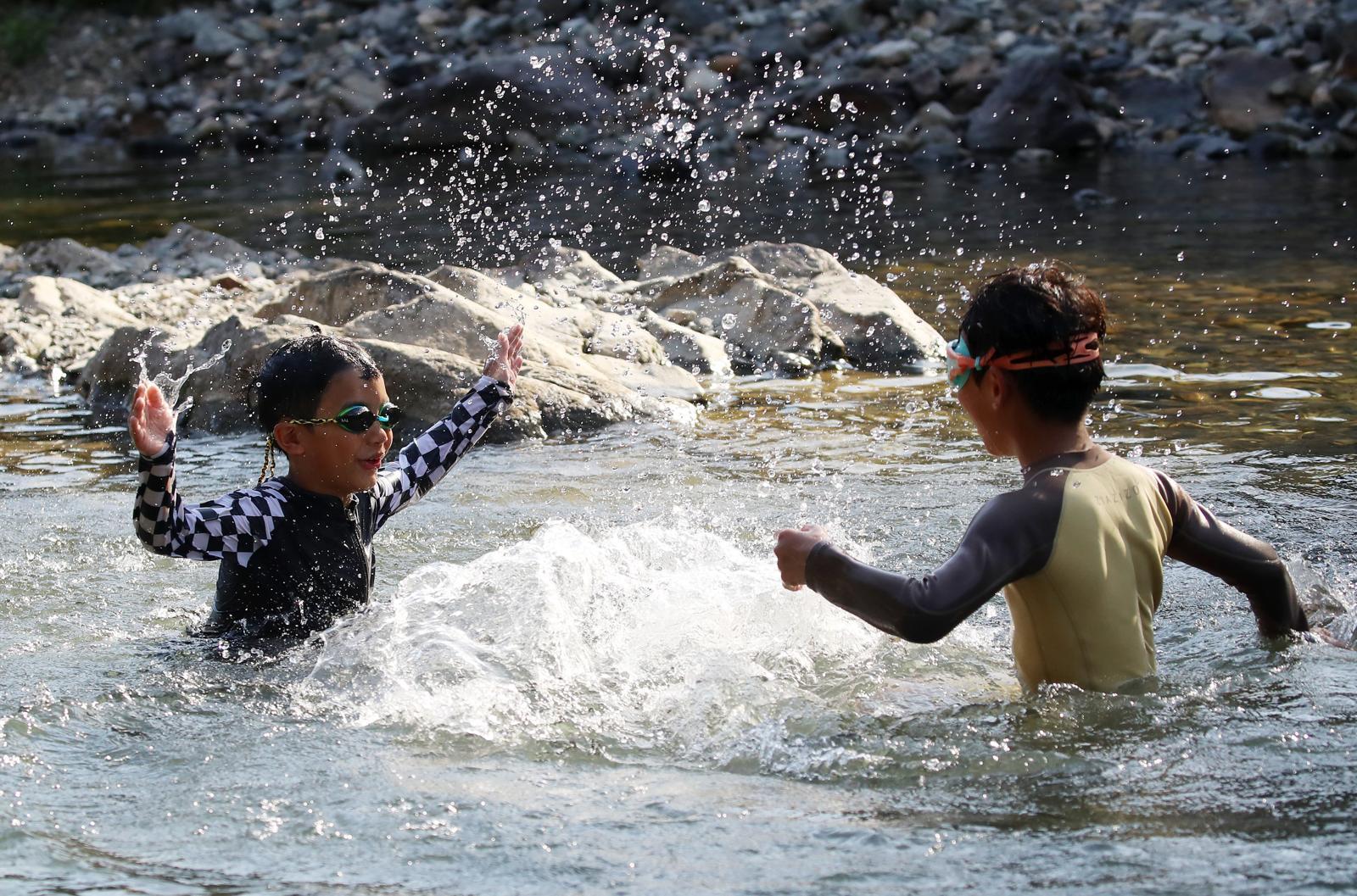
South Korea's Yangsan Endures Record 5th Day Above 40°C Amidst Extreme Heatwave
Translated from Korean, summarized and contextualized by DistantNews.
At a glance
News
Sources not specified
Context piece
- Yangsan, South Korea, has experienced five consecutive days with temperatures exceeding 40°C, a first in the nation's weather observation history.
- On August 2, the temperature reached 40.7°C by late morning, with potential to hit 42°C, which would be a new record.
- The extreme heat is attributed to a combination of high-pressure systems, strong sunlight, westerly winds, and the region's basin geography.
Yangsan, South Korea, is enduring an unprecedented heatwave, marking the first time in the country's meteorological history that temperatures have surpassed 40°C for five consecutive days. On August 2, the city recorded 40.7°C by late morning, inching closer to a potential new record of 42°C.
Since July 29, Yangsan has consistently recorded temperatures above 40°C. The previous day, July 31, saw a high of 41.4°C, followed by 41.6°C on August 1, which was the highest temperature recorded in South Korea's 122-year weather observation history. The heat has intensified, with the 40°C threshold being crossed in the morning on August 2, unlike previous days when it was reached in the afternoon.
Meteorologists attribute this extreme heat to a confluence of factors. A high-pressure system covering the upper and lower atmosphere, intense sunlight, westerly winds, and the unique basin topography of Yangsan, combined with dry land conditions, have created a perfect storm for record-breaking temperatures. The accumulation of heat from previous days has contributed to the earlier crossing of the 40°C mark.
This prolonged period of extreme heat raises concerns about public health and potential impacts on agriculture, as indicated by drought conditions in nearby regions like Miryang, where reservoir levels have dropped significantly. The possibility of reaching 42°C would set a new all-time high, even when including data from automatic weather stations.
DistantNews Editorial
Originally published by Dong-A Ilbo in Korean. Translated, summarized, and contextualized by our editorial team with added local perspective. Read our editorial standards.
More Stories


From Our Blog

What Gets Lost (and Found) When News Is Translated

The Critical Role of Diaspora Media in Global News

What Travellers Should Know About Countries with Restricted Press

A Digital Nomad's Guide to Following Local News

How the Same Story Looks Different in Different Countries
