


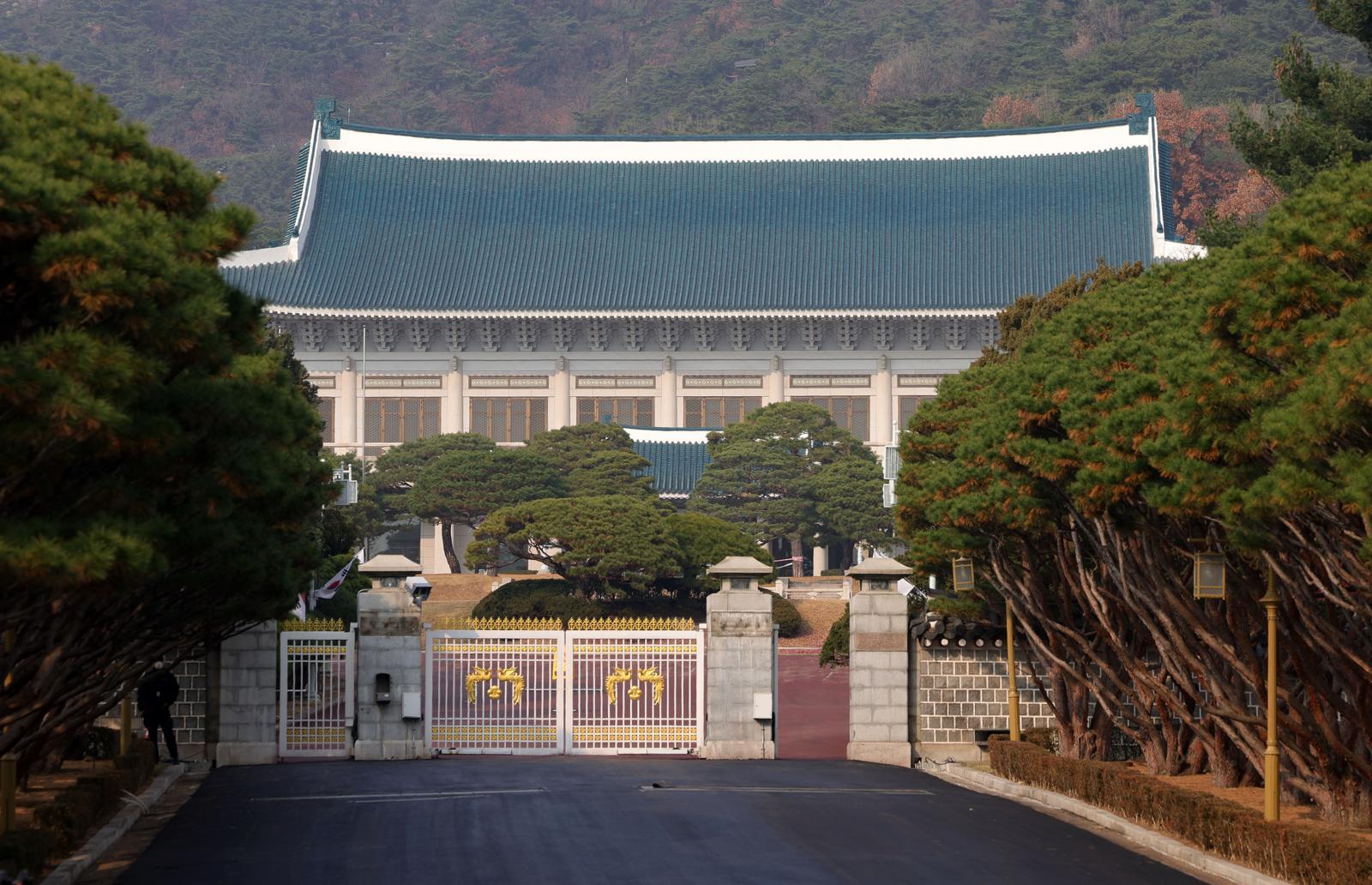
South Korea to appoint special inspector general after 10-year vacancy
Translated from Korean, summarized and contextualized by DistantNews.
At a glance
News
Official statement
New plan
- South Korea's presidential office announced it will proceed with appointing a special inspector general once a candidate is recommended by the National Assembly.
- The role of special inspector general, vacant for 10 years, oversees the president's family and top aides.
- Three major political parties have nominated candidates, with the president set to select one for parliamentary confirmation.
The presidential office has stated it will proceed with the appointment of a special inspector general, a position vacant for a decade, once the National Assembly recommends a candidate. This move follows nominations from the three major political parties: the Democratic Party, the People Power Party, and the Korean Bar Association.
The special inspector general holds a crucial oversight role, tasked with monitoring the president's spouse, relatives within the fourth degree of kinship, and senior presidential aides. The position has been empty since the departure of the first special inspector general, Lee Seok-soo, in 2016.
Under the established procedure, the National Assembly will recommend three candidates. The president will then select one of these nominees, who must then undergo a parliamentary confirmation hearing before being formally appointed. The Democratic Party has nominated lawyer Choi Gil-soo, while the People Power Party put forward lawyer Kang Ji-sik. The Korean Bar Association has recommended lawyer Choi Yong-hoon.
The presidential office's statement came in response to reports that the Korean Bar Association had nominated Choi Yong-hoon. The office reiterated its commitment to following the established procedures for appointment, emphasizing that the process will move forward once the parliamentary recommendation is finalized.
Once the National Assembly recommends a special inspector general candidate through a plenary session vote, we will proceed with the appointment according to the procedures.
DistantNews Editorial
Originally published by Dong-A Ilbo in Korean. Translated, summarized, and contextualized by our editorial team with added local perspective. Read our editorial standards.
More Stories


From Our Blog

What Gets Lost (and Found) When News Is Translated

The Critical Role of Diaspora Media in Global News

What Travellers Should Know About Countries with Restricted Press

A Digital Nomad's Guide to Following Local News

How the Same Story Looks Different in Different Countries
