


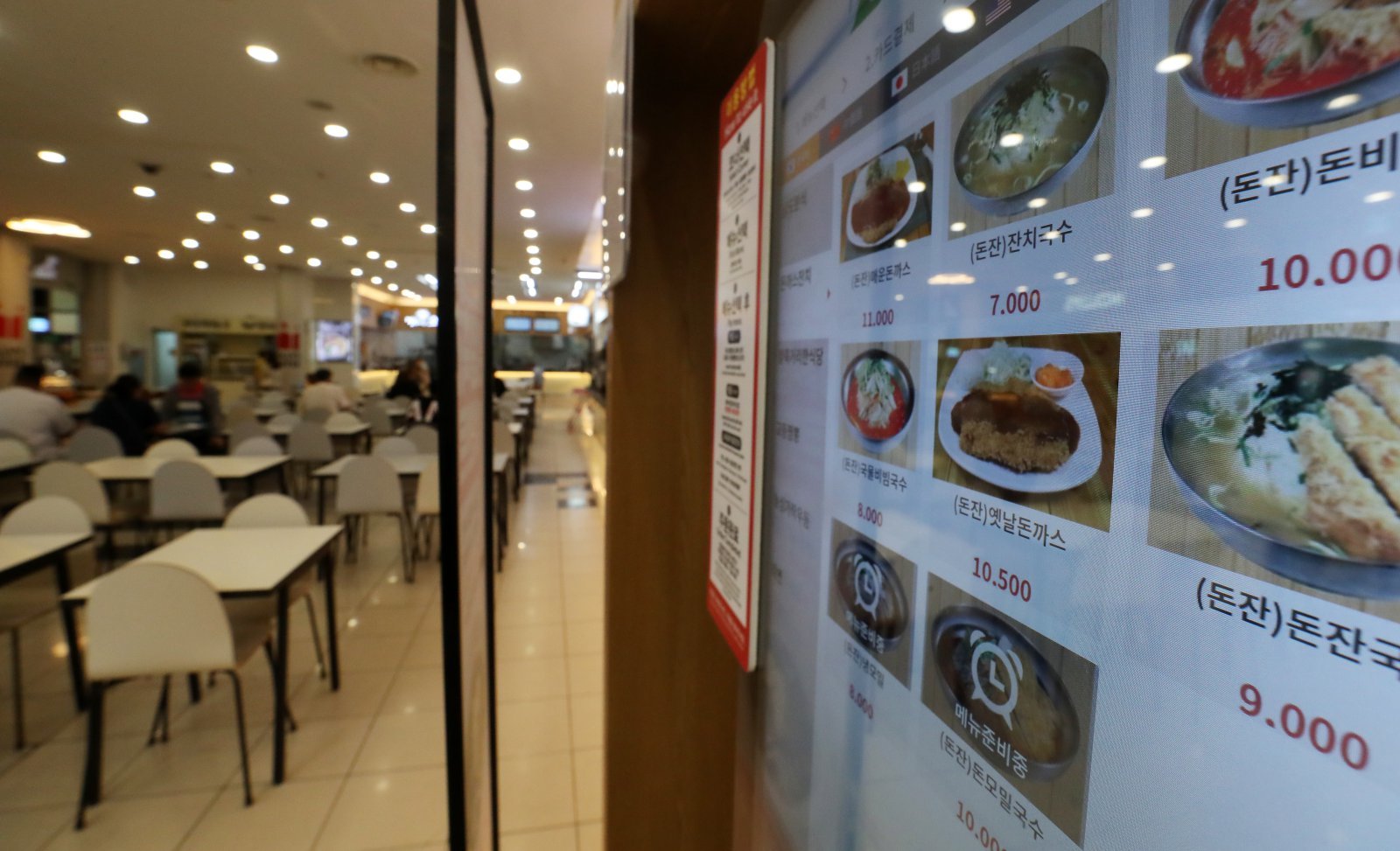
South Korea to Cut Rest Stop Fees, Boost Services with New Management Model
Translated from Korean, summarized and contextualized by DistantNews.
At a glance
News
Official statement
New plan
- South Korea plans to reform highway rest stop operations by year-end, allowing direct contracts between public management companies and vendors.
- This change aims to reduce vendor fees from an average of 33% to 8-9% of sales, potentially enabling lower prices for services like coffee and 24-hour convenience stores.
- Measures are also being implemented to ensure fairness in vendor selection, excluding current and recent Korea Expressway Corporation employees and their families.
South Korea is set to overhaul its highway rest stop management system by the end of the year, moving away from intermediate operators to a direct contracting model with a public management company. This reform aims to significantly lower rental fees for vendors, potentially enabling the availability of 1,000-2,000 won ($0.75-$1.50) coffee and 24-hour convenience stores at rest stops.
Currently, intermediate operators take an average of 33% of vendors' sales as fees, while the Korea Expressway Corporation (KEC) collects 13.9% of the operators' revenue as rent. The new system, slated for implementation starting next year with the establishment of a public management company, is projected to reduce the average vendor fee burden to 8-9% of sales. This reduction is expected to make it more feasible for lower-priced brands to operate and offer discounts, which have been limited due to high rental costs.
The reform will initially apply to eight rest stops with expiring contracts or new facilities by the end of this year. Beyond pricing, the KEC is introducing measures to enhance fairness in vendor selection. A database of former KEC employees will be established, and individuals who have retired within the last three years, along with their spouses and direct family members, will be barred from bidding on rest stop contracts. Companies affiliated with the KEC retirees' association will also be prohibited from participating in the rest stop business.
These changes are anticipated to broaden consumer choice and improve the overall rest stop experience. The shift could lead to extended operating hours for convenience stores, the introduction of 1+1 discount promotions, and the use of mobile carrier points for purchases. The move signifies a broader effort to increase competition and fairness within the public service sector.
The average rental fee borne by vendors is expected to decrease from the current 33% of sales to about 8-9%.
DistantNews Editorial
Originally published by Dong-A Ilbo in Korean. Translated, summarized, and contextualized by our editorial team with added local perspective. Read our editorial standards.
More Stories

From Our Blog

What Gets Lost (and Found) When News Is Translated

The Critical Role of Diaspora Media in Global News

What Travellers Should Know About Countries with Restricted Press

A Digital Nomad's Guide to Following Local News

How the Same Story Looks Different in Different Countries
