


South Korea to Minimize Transmission Towers, Expand Underground Lines Amid Grid Expansion
Translated from Korean, summarized and contextualized by DistantNews.
At a glance
News
Named sources
Context piece
- The South Korean government proposed measures to reduce local conflicts arising from power grid expansion, including minimizing new transmission towers and expanding underground lines.
- The plan aims to reduce the number of transmission towers by nearly half by integrating existing power lines.
- Additional measures include increased transparency in site selection, enhanced resident support, and new income-generating schemes for affected communities.
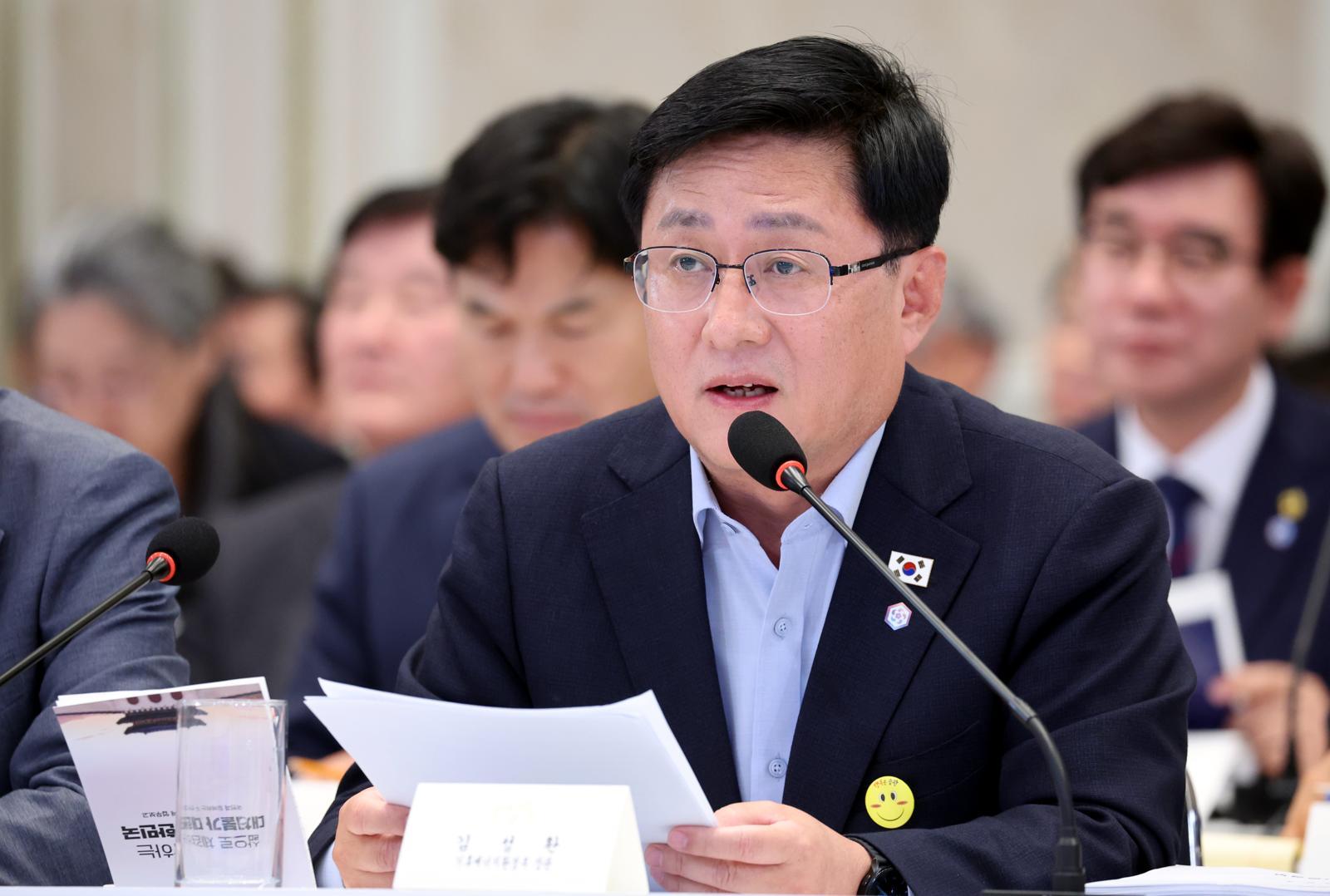
South Korea's government is introducing new measures to mitigate local disputes over power grid expansion, focusing on reducing the number of new transmission towers and increasing underground cable installations.
The Ministry of Climate, Energy and Environment announced the "Plan to Enhance Resident Acceptance of Power Grid Construction." A key proposal involves consolidating transmission lines to significantly decrease the number of towers needed. The government estimates this could cut the number of towers by approximately 40%, from 4,723 to 2,509, by utilizing existing routes and integrating new lines within a shorter total distance.
We will minimize the number of transmission towers and expand undergrounding.
To lessen the burden on communities near transmission lines, the government plans to expand undergrounding efforts. Specific criteria will be established, prioritizing undergrounding in areas with a high density of residents within a certain distance of the lines. Transparency in the site selection process for transmission and substation facilities will also be enhanced, with public explanations and, in principle, allowing resident observation of the selection committee meetings.
By integrating lines, we can reduce the number of towers by about 40%.
Furthermore, the government aims to bolster support for residents affected by transmission line routes. A proposed guideline suggests allocating at least two-thirds of support funds directly to the affected townships and villages. To provide financial benefits, a "grid income" system will be introduced, offering fixed annual returns of 8-10% for residents investing in power grid projects. The expansion of "sunshine income villages," community-participatory solar power projects, is also planned.
These proposals are set to be finalized after review by the working committee for the national power grid expansion plan. The government maintains that the ongoing expansion projects are essential for supplying power to advanced industries and increasing renewable energy capacity.
We will establish criteria for prioritizing undergrounding in areas with a high density of residents.
DistantNews Editorial
Originally published by Hankyoreh in Korean. Translated, summarized, and contextualized by our editorial team with added local perspective. Read our editorial standards.
More Stories


From Our Blog

What Gets Lost (and Found) When News Is Translated

The Critical Role of Diaspora Media in Global News

What Travellers Should Know About Countries with Restricted Press

A Digital Nomad's Guide to Following Local News

How the Same Story Looks Different in Different Countries
