


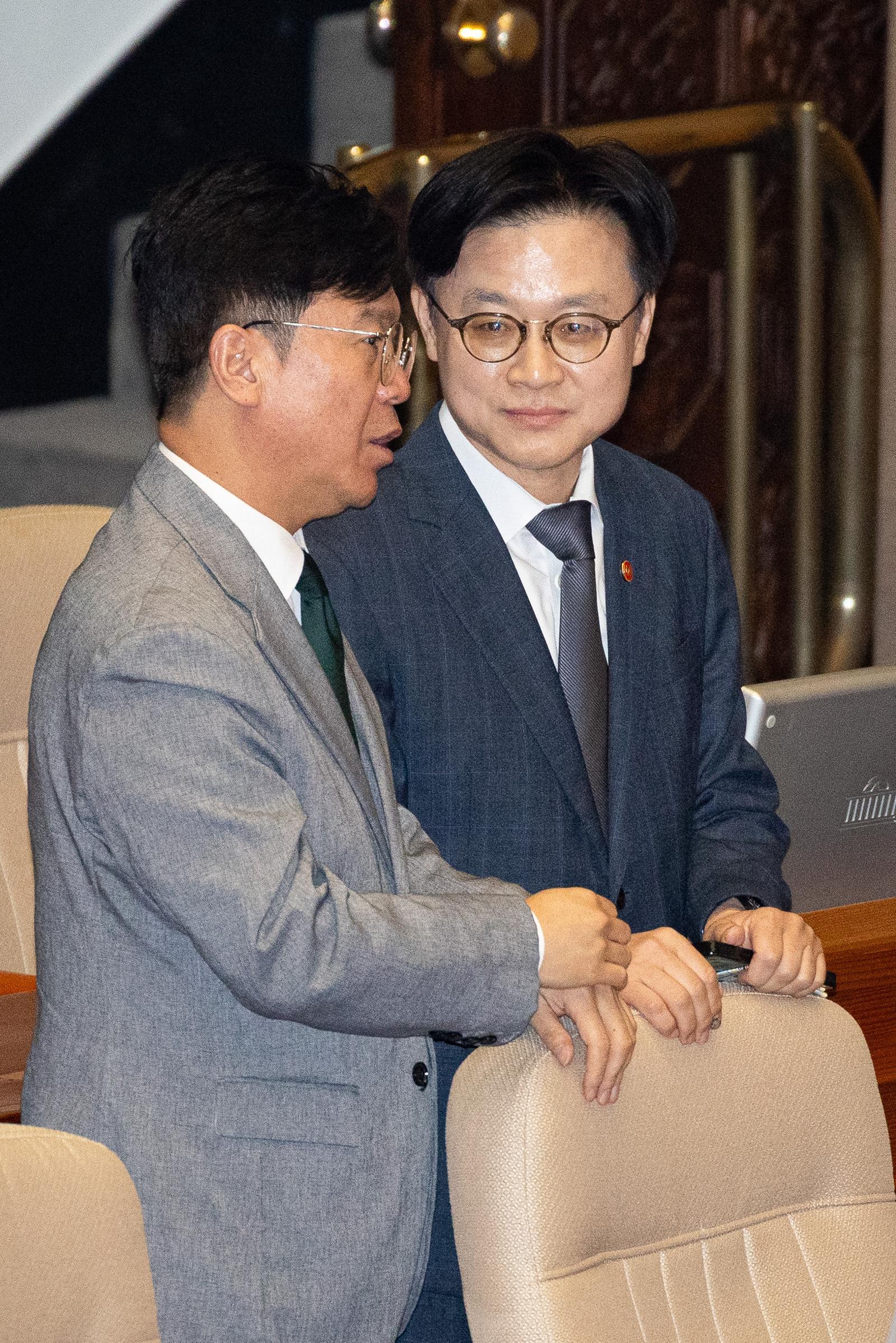
South Korean Parties Clash Over Labor Law Reforms
Translated from Korean, summarized and contextualized by DistantNews.
At a glance
News
Named sources
Ongoing story
- South Korea's ruling and opposition parties are clashing over proposed labor law reforms.
- The ruling party supports easing the 52-hour workweek for certain projects, while the opposition criticizes it as populist.
- The debate centers on whether to include flexible work hour options in special "mega-zone" legislation.
A sharp political divide has emerged in South Korea over proposed labor law reforms, with the ruling and opposition parties locked in a fierce debate. The core of the contention lies in the potential easing of the 52-hour workweek, a policy championed by the government for specific "mega-zone" development projects.
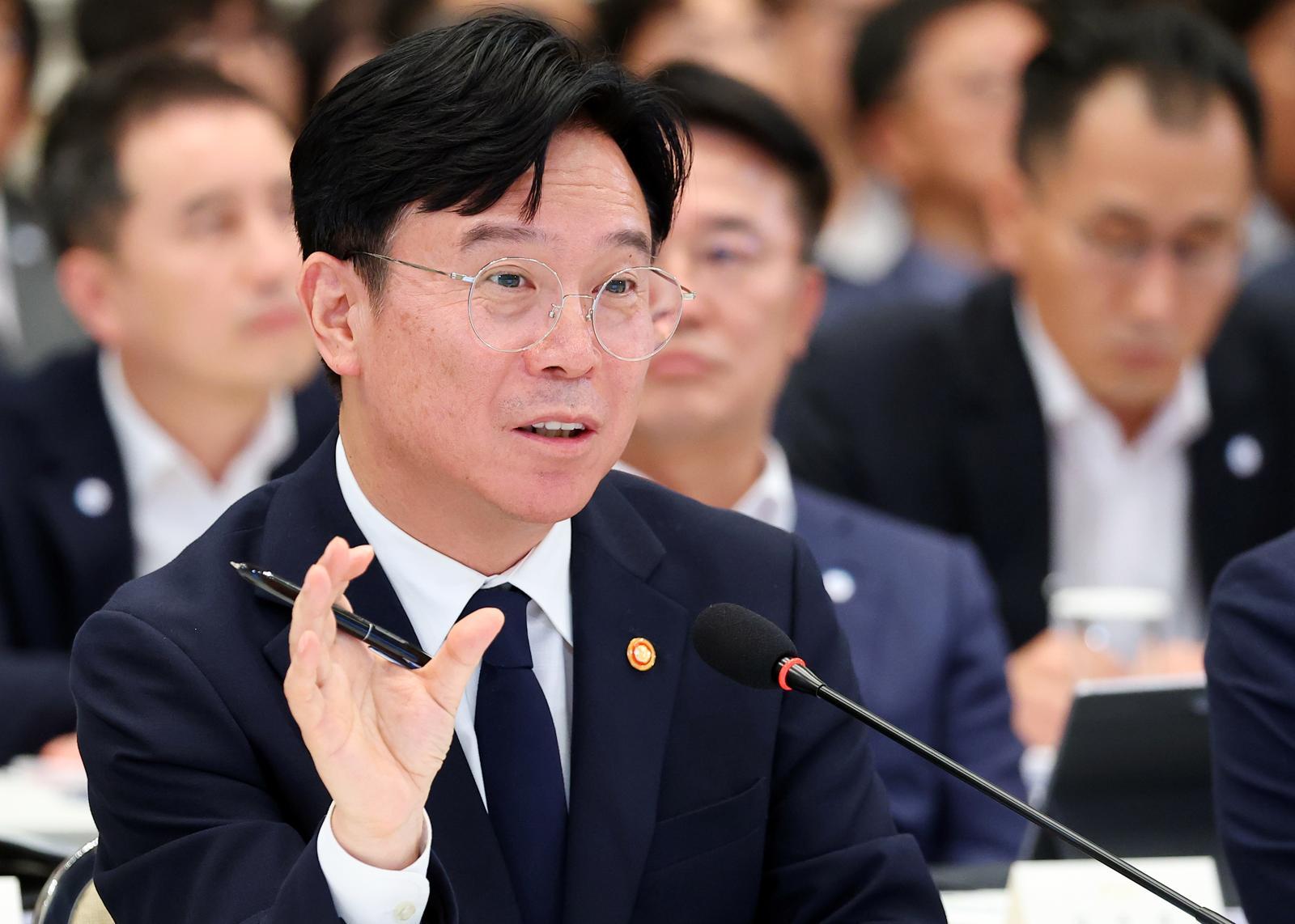
Minister of Trade, Industry and Energy Kim Jung-kwan indicated that the government is considering various forms of labor hour flexibility, including exemptions for high-income earners and flexible work systems, as part of the special legislation for these zones. He confirmed that discussions about exceptions to the 52-hour workweek had occurred at a recent government meeting, and he personally believes such exceptions are necessary.
We are discussing various forms of labor hour flexibility, including 'white-collar exemption' and flexible work hours.
However, the opposition party has vehemently criticized these proposals, labeling them as populist measures designed to win votes rather than address genuine economic needs. They argue that such changes could undermine worker protections and exploit labor. The opposing viewpoints highlight a fundamental disagreement on how to stimulate economic growth and manage the workforce in South Korea's rapidly evolving industrial landscape.
Yes.
DistantNews Editorial
Originally published by Dong-A Ilbo in Korean. Translated, summarized, and contextualized by our editorial team with added local perspective. Read our editorial standards.
More Stories


From Our Blog

What Gets Lost (and Found) When News Is Translated

The Critical Role of Diaspora Media in Global News

What Travellers Should Know About Countries with Restricted Press

A Digital Nomad's Guide to Following Local News

How the Same Story Looks Different in Different Countries
