


Southern, Central China Brace for Flood Risk After Typhoon Noul Remnants Move Inland
Translated from English, summarized and contextualized by DistantNews.
At a glance
News
Sources not specified
Ongoing story
- China's southern and central provinces face significant flood risks from the remnants of Typhoon Noul.
- Heavy rainfall is expected through Thursday in several provinces, including Fujian, Guangdong, and Hubei.
- Authorities are implementing enhanced flood control measures and safety checks on critical industries due to overlapping typhoon and flood season risks.
China's southern and central regions are bracing for severe flooding as the remnants of Typhoon Noul move inland, bringing torrential rain. Forecasters warn the weakened storm may linger longer than usual, exacerbating the risk across a wide swathe of the country.
Provinces including Fujian, Guangdong, Jiangxi, Hunan, Hubei, Henan, and Guangxi are expected to experience heavy rainfall through Thursday, according to the National Meteorological Center. State media highlighted that the storm's path over mountainous terrain increases the likelihood of floods, landslides, and other disasters.
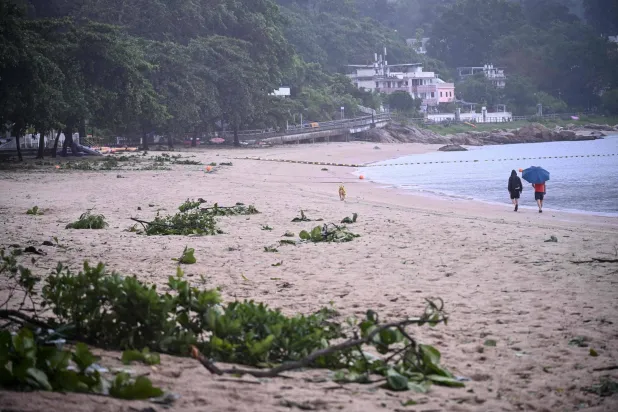
Typhoon Noul intensified rapidly before making landfall in Guangdong over the weekend, becoming the strongest typhoon to hit China this year. The country is now facing the dual threat of typhoon activity and the ongoing flood season, prompting emergency officials to order stricter flood-control measures.
Authorities are conducting inspections of critical infrastructure and pre-deploying rescue teams and equipment to vulnerable areas. Safety checks are also being mandated for key industries such as mining, hazardous chemicals, and fireworks production. In the northwest and southwest, regions like Gansu, Sichuan, and Yunnan are also on high alert due to frequent heavy precipitation, with Gansu issuing its highest warning for geological disasters.
DistantNews Editorial
Originally published by Asharq Al-Awsat in English. Translated, summarized, and contextualized by our editorial team with added local perspective. Read our editorial standards.
More Stories


From Our Blog

What Gets Lost (and Found) When News Is Translated

The Critical Role of Diaspora Media in Global News

What Travellers Should Know About Countries with Restricted Press

A Digital Nomad's Guide to Following Local News

How the Same Story Looks Different in Different Countries
