

/nginx/o/2026/07/16/17787743t1hf939.jpg)
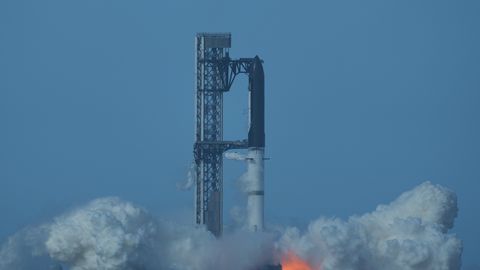
SpaceX's Starship Rocket Fails to Launch, Avoids Explosion
Translated from Estonian, summarized and contextualized by DistantNews.
At a glance
News
Sources not specified
Outcome reported
- SpaceX's massive Starship rocket experienced a launch failure shortly after ignition on Thursday morning.
- Automated systems halted the launch, preventing a potential explosion and leaving only smoke and steam at the launchpad.
- The incident raises questions about the rocket's technical readiness, NASA's lunar plans, and SpaceX's future as a public company.
SpaceX's colossal Starship rocket was on the verge of liftoff early Thursday, but automated systems intervened at the last moment, halting the launch. Instead of the anticipated fiery ascent, only clouds of smoke and steam billowed from the launchpad, narrowly avoiding a catastrophic explosion.
The failed test flight prompts critical questions about the technical maturity of the world's most powerful rocket. It also casts a shadow over NASA's ambitious lunar exploration objectives and marks a significant, albeit negative, milestone for SpaceX as a publicly traded entity. The incident leaves observers wondering how close the world came to a scenario that could have shaken both the space program and stock prices.
Details surrounding the aborted launch are crucial for assessing the rocket's current capabilities. The incident's implications extend to NASA's Artemis program, which relies on Starship for lunar missions. Furthermore, as SpaceX navigates its path as a public company, such setbacks can have considerable financial and reputational consequences.
DistantNews Editorial
Originally published by Postimees in Estonian. Translated, summarized, and contextualized by our editorial team with added local perspective. Read our editorial standards.
More Stories



From Our Blog

What Gets Lost (and Found) When News Is Translated

The Critical Role of Diaspora Media in Global News

What Travellers Should Know About Countries with Restricted Press

A Digital Nomad's Guide to Following Local News

How the Same Story Looks Different in Different Countries
