


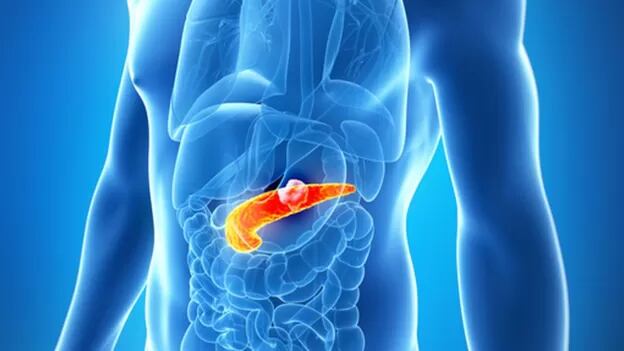
Spanish and Argentine Scientists Target Pancreatic Cancer on Two Fronts
Translated from Spanish, summarized and contextualized by DistantNews.
At a glance
News
Named sources
New plan
- Scientists from Spain and Argentina are collaborating on a new approach to combat pancreatic cancer, one of the deadliest forms of cancer.
- The research focuses on simultaneously targeting tumor cells to induce death and activating the immune system to attack the cancer.
- A key finding identifies the protein PARP2 as crucial for tumor survival; blocking it weakens the cancer internally and makes it more visible to the immune system.
A collaborative effort between scientists in Spain and Argentina is pioneering a novel dual-action strategy against pancreatic cancer, a disease notoriously difficult to treat and with a poor prognosis. The research, involving institutions like the Barcelona-based Institut Hospital del Mar d'Investigacions Mèdiques and Argentina's Conicet, aims to simultaneously trigger tumor cell death and mobilize the immune system to fight the cancer.
The study, published in *Science Advances*, highlights the protein PARP2 as a critical factor in the survival of pancreatic tumors. Researchers discovered that inhibiting PARP2 has a two-pronged effect: it prevents tumor cells from repairing DNA damage, leading to their demise, and simultaneously enhances the immune system's ability to recognize and infiltrate the tumor.
This approach is particularly significant for pancreatic cancer, often categorized as a "cold tumor." This classification indicates a low presence of immune cells within the tumor, limiting the effectiveness of treatments like immunotherapy. The new findings suggest a way to alter this scenario by creating "replicative stress" within the rapidly dividing tumor cells. By blocking PARP2, the cells' natural repair mechanisms are disrupted, causing internal damage and death, while also increasing the visibility and activity of immune cells in the tumor's microenvironment.
DistantNews Editorial
Originally published by La Nación in Spanish. Translated, summarized, and contextualized by our editorial team with added local perspective. Read our editorial standards.
More Stories



From Our Blog

What Gets Lost (and Found) When News Is Translated

The Critical Role of Diaspora Media in Global News

What Travellers Should Know About Countries with Restricted Press

A Digital Nomad's Guide to Following Local News

How the Same Story Looks Different in Different Countries
