

Spend Wisely Amidst Economic Pressure
Translated from Malay, summarized and contextualized by DistantNews.
At a glance
Opinion
Sources not specified
Context piece
- Malaysians face increasing cost of living pressures due to global geopolitical conflicts, economic uncertainty, and supply chain disruptions.
- The public is urged to shift from a 'want to own' culture to a 'manage needs' culture, distinguishing between essential needs and discretionary wants.
- Financial literacy, disciplined budgeting, and avoiding impulsive spending, especially influenced by social media and easy credit, are crucial for navigating economic challenges.
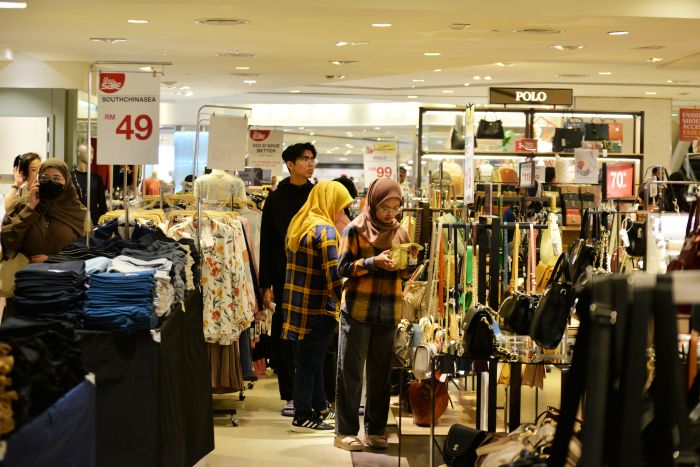
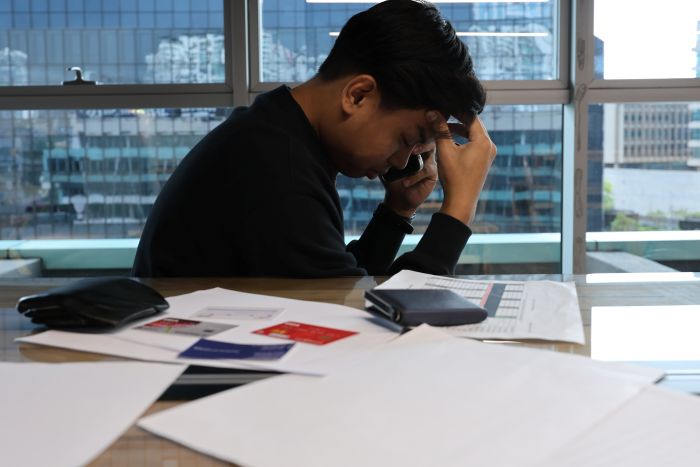
As the world grapples with geopolitical conflicts, economic uncertainty, and global supply chain disruptions, citizens in Malaysia are feeling the pinch of a rising cost of living. Increasing prices for goods and services are placing significant pressure on low and middle-income households, necessitating a fundamental shift in consumer behavior.
The prevailing culture of 'wanting to own' must transition to one of 'managing needs.' The primary challenge extends beyond limited income; it involves controlling emotions, maintaining financial discipline, and reshaping daily spending patterns. It is essential for the public to re-understand the distinction between necessities, such as food, shelter, education, healthcare, and transportation, and wants, which include luxury items, social media trends, or excessive lifestyles that can be deferred.
In the digital age, social media significantly influences spending habits, often driving purchases not out of necessity but due to trend influence, algorithmic advertising, and the 'keeping up with others' mentality. This phenomenon fuels impulsive buying, particularly through e-commerce platforms and flash sales. Modern financial tools like 'Buy Now, Pay Later' (BNPL), credit cards, and cashless payments further exacerbate the risk of uncontrolled spending. Data from the Ministry of Finance indicates millions of citizens utilize BNPL services, while household debt remains alarmingly high, exceeding RM1 trillion, signaling serious financial strain.
Furthermore, a lack of financial literacy contributes significantly to these issues. Many consumers fail to create monthly budgets, save consistently, or establish emergency funds. Global studies confirm that individuals who do not plan their finances are more susceptible to long-term debt. Consequently, financial education must be strengthened from an early age, not only in schools but also within homes and workplaces. Consumers need to learn to plan expenses, prioritize effectively, and avoid emotional purchases. The government and industry should also tighten controls on easy credit promotions to discourage unhealthy debt accumulation. Simultaneously, individuals should cultivate a habit of saving at least 10 to 20 percent of their income for long-term financial security. Ultimately, economic strength relies not solely on income but on the public's ability to manage finances wisely, with discipline and prudence. In uncertain times, true value lies not in what we own, but in how we manage what we have.
DistantNews Editorial
Originally published by Utusan Malaysia in Malay. Translated, summarized, and contextualized by our editorial team with added local perspective. Read our editorial standards.
More Stories

From Our Blog

What Gets Lost (and Found) When News Is Translated

The Critical Role of Diaspora Media in Global News

What Travellers Should Know About Countries with Restricted Press

A Digital Nomad's Guide to Following Local News

How the Same Story Looks Different in Different Countries
