


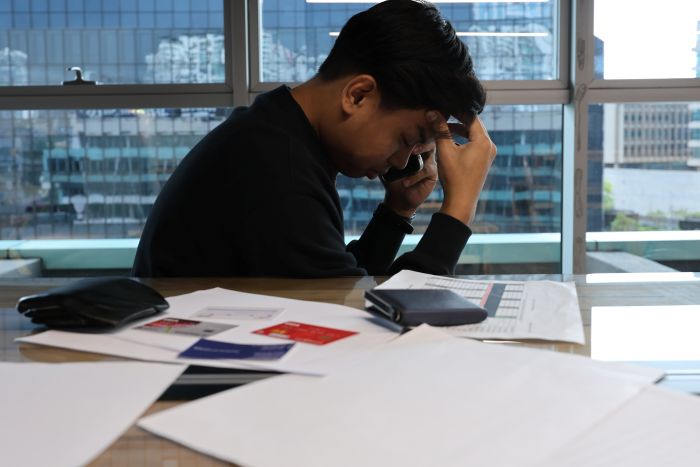
Uncertain Economy Threatens Mental Health
Translated from Malay, summarized and contextualized by DistantNews.
At a glance
News
Sources not specified
Context piece
- Economic instability, including inflation and rising living costs, directly impacts citizens' purchasing power, employment, and social well-being, potentially affecting mental health.
- The conflict between the US and Iran is expected to increase energy and fertilizer prices globally, affecting over 30 million people, with Malaysia already experiencing its effects through increased living costs.
- Individuals are advised to strengthen financial management, prioritize needs over wants, avoid unnecessary debt, filter information critically, maintain a balanced lifestyle, and seek professional help for emotional distress.
General economic challenges such as inflation, recession, and the rising cost of living directly affect people's lives, diminishing purchasing power, increasing unemployment, and triggering various social problems. This pressure ultimately degrades quality of life and emotional well-being due to mounting financial burdens.
The United Nations Development Programme (UNDP) report on the impact of the US-Iran conflict warrants serious attention. The report anticipates that surging energy and fertilizer prices will affect over 30 million people across 160 countries. Although this conflict is geographically distant from Malaysia, its effects are already being felt through increased living costs and economic pressure on households, raising concerns about the nation's mental health.
Rising prices for essential goods, job insecurity, and prolonged financial burdens can trigger severe emotional distress. Low-income (B40) and middle-income (M40) groups are particularly vulnerable, facing not only the escalating costs of daily necessities but also anxiety about their families' futures. Persistent economic stress can lead to anxiety, depression, and emotional exhaustion, potentially damaging family relationships, increasing domestic conflicts, and contributing to other social issues.
To navigate these challenges, individuals must bolster their financial management skills. Households should re-evaluate spending priorities, focusing on needs over wants and avoiding unnecessary debt. Sound financial planning can reduce emotional stress and enhance a sense of control over daily life. Additionally, people must be discerning about information consumption. The current geopolitical climate generates a flood of news that can incite anxiety; therefore, individuals should avoid speculation and false propaganda to prevent unnecessary worry. Maintaining a balanced lifestyle, including physical activity, adequate rest, and social support, is crucial for emotional stability. Families should enhance communication and offer mutual support, ensuring no one feels isolated. For those experiencing emotional distress, seeking professional help from counselors or psychologists is a sign of strength, not weakness.
The community also plays a vital role. Support from neighbors, friends, and the local community can alleviate the emotional burden on affected individuals. Community programs offering emotional support, social activities, and assistance networks can provide much-needed relief.
DistantNews Editorial
Originally published by Utusan Malaysia in Malay. Translated, summarized, and contextualized by our editorial team with added local perspective. Read our editorial standards.
More Stories

From Our Blog

What Gets Lost (and Found) When News Is Translated

The Critical Role of Diaspora Media in Global News

What Travellers Should Know About Countries with Restricted Press

A Digital Nomad's Guide to Following Local News

How the Same Story Looks Different in Different Countries
