

Spring Mountain Greens Look Like Poisonous Weeds... 'Don't Eat This Carelessly While Hiking'
Translated from Korean, summarized and contextualized by DistantNews.
TLDR
- South Korea's Ministry of Food and Drug Safety (MFDS) has issued a warning about mistaking poisonous wild plants for edible spring mountain vegetables.
- Cases of severe gastrointestinal distress, including abdominal pain and vomiting, have been reported annually due to the consumption of toxic look-alikes.
- The MFDS advises against foraging without sufficient knowledge and recommends seeking medical attention if poisoning is suspected, bringing any remaining plant material for diagnosis.
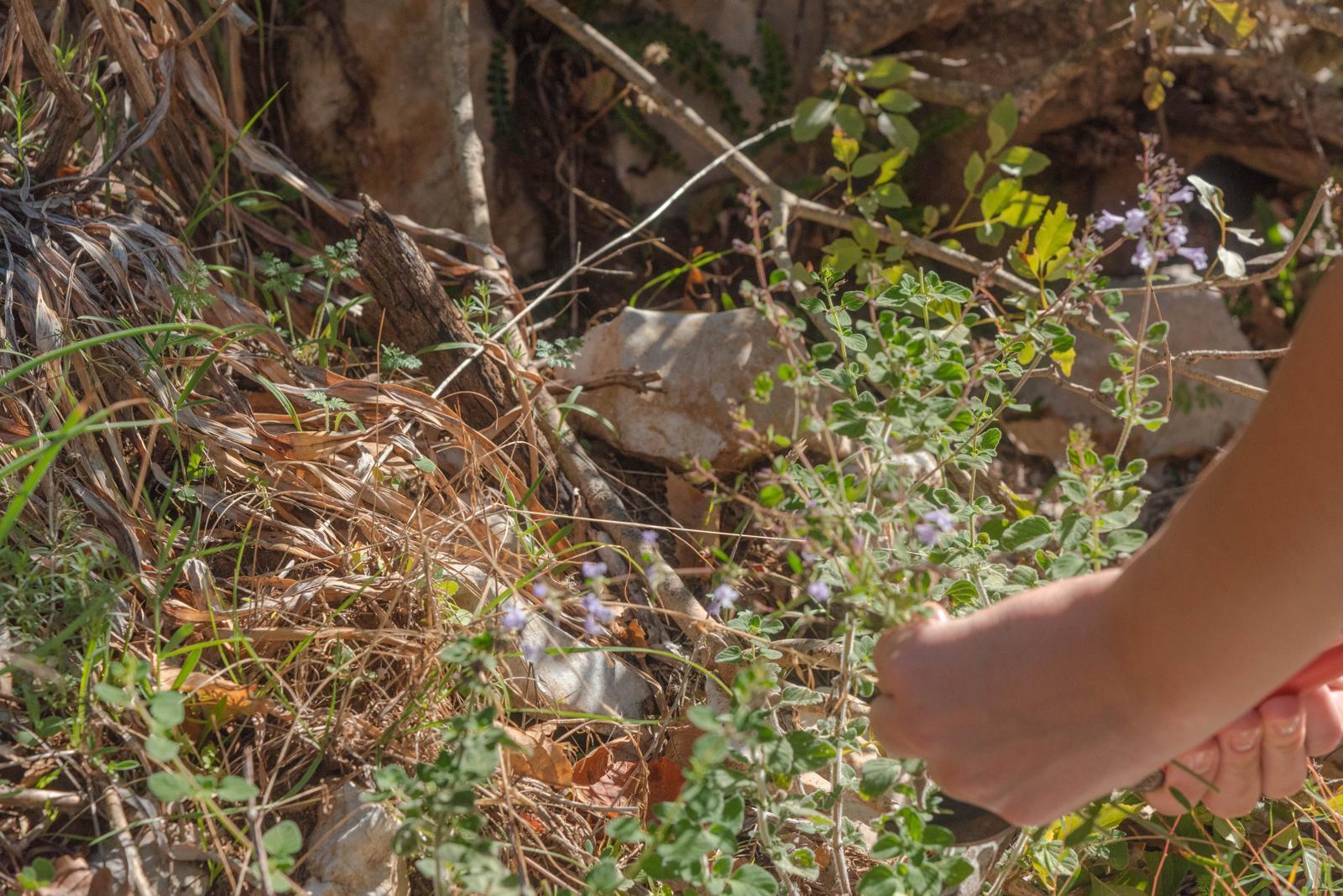
As spring blankets the Korean peninsula, the allure of foraging for fresh mountain vegetables is undeniable. However, Dong-a Ilbo reports that this cherished tradition carries a hidden danger: the risk of mistaking poisonous plants for edible ones. The Ministry of Food and Drug Safety (MFDS) has issued a stern warning, highlighting a recurring problem where citizens, enticed by the bounty of nature, inadvertently ingest toxic flora, leading to severe health consequences.
The article details how common edible plants like minari (water parsley), ddeurub (Aralia elata), and ssuk (mugwort) have dangerous look-alikes such as dok-minari (water hemlock), bulgeunnamu (Toxicodendron trichospermum), and sanggoebuljumeoni (Hylomecon vernalis). The MFDS points out that in the past five years, 94 suspected cases of poisoning were reported, with over half occurring during the spring months of March to May. This underscores a persistent issue that requires constant vigilance and public education.
It is generally difficult to distinguish between mountain vegetables and poisonous plants, so not picking them is the best way to avoid ingesting poisonous plants.
From a South Korean perspective, this warning is particularly relevant. Mountain foraging is a deeply ingrained cultural practice, often passed down through generations. It connects people to the land and offers a sense of self-sufficiency and connection to traditional diets. However, as urbanization increases and knowledge of wild edibles potentially wanes, the risk of accidental poisoning grows. Dong-a Ilbo's coverage emphasizes the practical advice from the MFDS: if you lack expertise, it's best not to forage. The article also stresses the importance of seeking immediate medical help if poisoning is suspected, noting that bringing the suspected plant can aid in accurate diagnosis. This cautionary tale serves as a vital reminder to balance cultural practices with safety, especially when interacting with the natural environment.
Even edible mountain vegetables should be consumed after confirming the correct cooking method.
DistantNews Editorial
Originally published by Dong-A Ilbo in Korean. Translated, summarized, and contextualized by our editorial team with added local perspective. Read our editorial standards.
More Stories


From Our Blog

What Gets Lost (and Found) When News Is Translated

The Critical Role of Diaspora Media in Global News

What Travellers Should Know About Countries with Restricted Press

A Digital Nomad's Guide to Following Local News

How the Same Story Looks Different in Different Countries
