


Sri Lanka becomes new hub for transnational scam rings
Translated from Vietnamese, summarized and contextualized by DistantNews.
At a glance
News
Named sources
Context piece
- Sri Lanka faces a surge in transnational online scam operations, with foreign nationals entering the country on tourist visas to establish fraud centers.
- Police have arrested nearly 700 foreigners this year in raids targeting these networks, with most being deported after entry on tourist visas.
- Experts suggest Sri Lanka's easy visa procedures, relaxed regulations, and affordable office spaces make it an attractive new hub for scammers fleeing crackdowns elsewhere in Southeast Asia.
Sri Lanka is becoming a new hotspot for international online fraud, according to police reports. Foreign nationals are reportedly entering the country on tourist visas and secretly setting up scam operations targeting victims worldwide. Police spokesperson Fredrick Wootler stated that an increasing number of individuals are using tourist visas to establish these fraudulent networks.
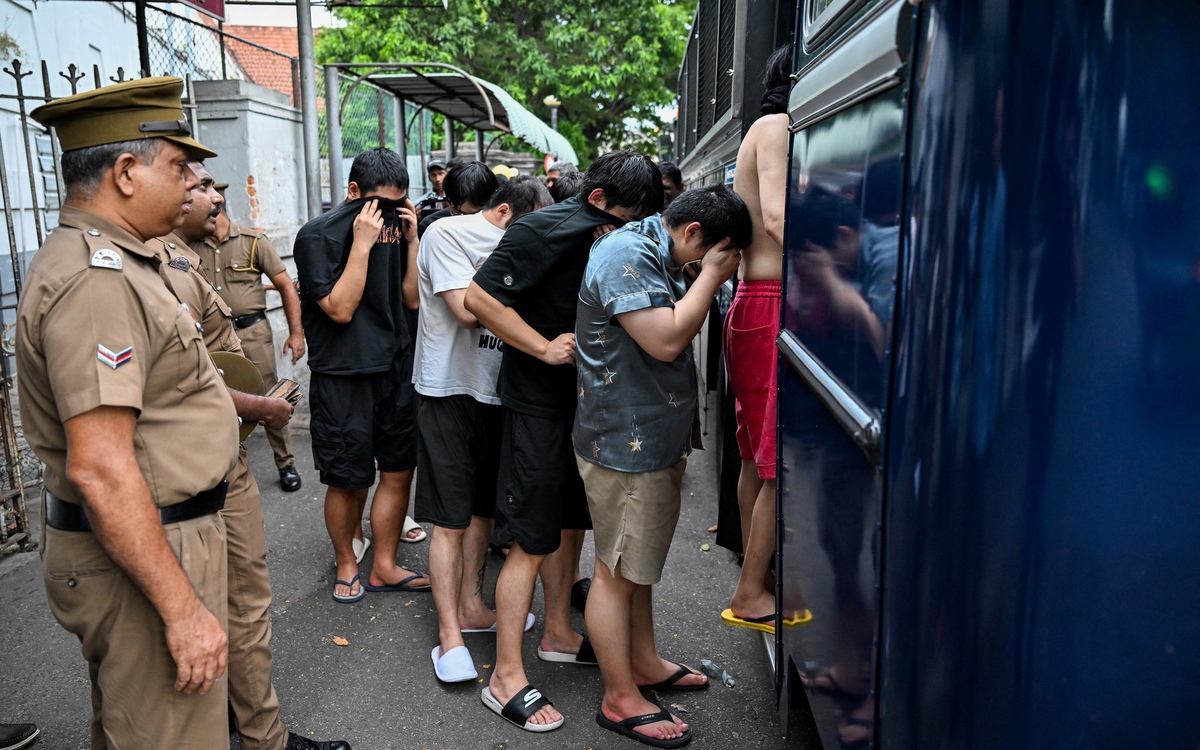
Since the beginning of the year, Sri Lankan police have conducted over a dozen raids, arresting nearly 700 foreigners suspected of involvement in these online scams. Most of these individuals were subsequently deported. Police noted that all arrested persons had entered the country using tourist visas. In a recent raid in the capital, Colombo, 18 Chinese nationals and one Lao individual were apprehended. Authorities seized numerous counterfeit documents, including U.S. Treasury certificates and company registration papers, with a fraudulent value of up to $10 billion.
An increasing number of individuals are entering the country under the guise of tourists and then secretly establishing scam operations targeting victims around the world.
Cybersecurity experts believe that as crackdowns on criminal activities intensify in Southeast Asia, Sri Lanka has emerged as a preferred destination. The country's appeal lies in its straightforward tourist visa application process, new liberal visa policies, fewer regulations on SIM cards and internet usage, and an ample supply of affordable office and hotel spaces for rent. The government has also relaxed regulations on gambling and online gaming, and the large influx of international visitors helps foreigners blend in without attracting attention.
These criminal groups view Sri Lanka as an attractive new base after facing increased scrutiny in Southeast Asia. They often enter under the guise of tourists or investors, then rent hotels, apartments, or offices to establish their operational centers. Unlike the large-scale scam complexes seen in some Southeast Asian countries, groups operating in Sri Lanka tend to be more dispersed. Instead of large organizations, they function in small teams of about five people, frequently moving between different locations every three months to evade detection. Police indicate that recently dismantled operations were heavily funded, with some groups even renting entire floors of apartment buildings. This decentralized strategy helps reduce the risk of detection and complicates investigation efforts.
They have phones, laptops, USB drives, processors, seals for forging documents, and many other forged documents. We also found a forged certificate to prove they are a US-registered business.
DistantNews Editorial
Originally published by Tuổi Trẻ in Vietnamese. Translated, summarized, and contextualized by our editorial team with added local perspective. Read our editorial standards.
More Stories


From Our Blog

What Gets Lost (and Found) When News Is Translated

The Critical Role of Diaspora Media in Global News

What Travellers Should Know About Countries with Restricted Press

A Digital Nomad's Guide to Following Local News

How the Same Story Looks Different in Different Countries
