



St. Michael in Bamberg: How to Renovate a 1000-Year-Old Monastery Church
Translated from German, summarized and contextualized by DistantNews.
TLDR
- The article discusses the complex process of renovating a 1000-year-old monastery church, St. Michael in Bamberg.
- Access to the full article requires a SPIEGEL+ subscription, with options for trial periods or longer-term commitments.
- The provided text is a placeholder, indicating that the content is behind a paywall and cannot be fully accessed without a subscription.
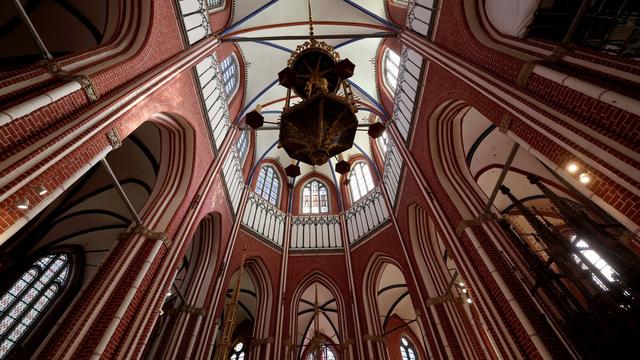
This article, focusing on the intricate renovation of the thousand-year-old St. Michael's monastery church in Bamberg, delves into a subject of significant historical and architectural interest. Such preservation projects are vital for maintaining Germany's rich cultural heritage, offering insights into centuries of craftsmanship, faith, and community life.
The challenges inherent in restoring a structure of this age are immense. They require not only specialized knowledge of historical building techniques but also a deep respect for the original materials and design. The meticulous work involved likely touches upon aspects of engineering, art history, and conservation science, making it a multidisciplinary endeavor.
For those in Germany, churches like St. Michael's are more than just historical monuments; they are often living centers of community and faith. The preservation of such sites ensures that future generations can connect with their past and that the spiritual and cultural significance of these places endures. The detailed reporting expected from Der Spiegel likely explores not just the physical restoration but also the historical context and the ongoing role of the church.
While the full details of the renovation are behind a paywall, the topic itself speaks to a broader appreciation in Germany for its historical architecture and the efforts undertaken to preserve it. This contrasts with a more utilitarian approach often seen elsewhere, where historical structures might be less prioritized for preservation if they do not serve an immediate economic or modern function. The dedication to such projects reflects a national commitment to cultural continuity.
DistantNews Editorial
Originally published by Der Spiegel in German. Translated, summarized, and contextualized by our editorial team with added local perspective. Read our editorial standards.
More Stories

From Our Blog

What Gets Lost (and Found) When News Is Translated

How the Same Story Looks Different in Different Countries

The Critical Role of Diaspora Media in Global News

What Travellers Should Know About Countries with Restricted Press

A Digital Nomad's Guide to Following Local News
