


St Vincent’s hospital has not signed deal with HSE as it ‘has not received enough money’
Summarized and contextualized by DistantNews.
TLDR
- St Vincent’s University Hospital has not signed its annual service agreement with the HSE due to an insufficient budget offer.
- The Mater hospital faces an accumulated deficit of nearly €50 million, while Tallaght Hospital has a historic deficit of €25 million, both citing funding shortfalls.
- Hospitals are calling for a move to a multi-annual, activity-based funding model to improve financial planning and ensure patient care amidst growing demand.
The Irish Times highlights a critical funding crisis facing major Dublin hospitals, with St Vincent’s University Hospital refusing to sign its service agreement with the Health Service Executive (HSE) over an inadequate budget. This refusal underscores the deep-seated financial pressures within the Irish healthcare system, where hospitals are struggling to meet service requirements with the allocated funds.
St Vincent’s University Hospital, Dublin, has said it has not signed a service agreement with the HSE for this year as the budget it has been offered does not meet service requirements.
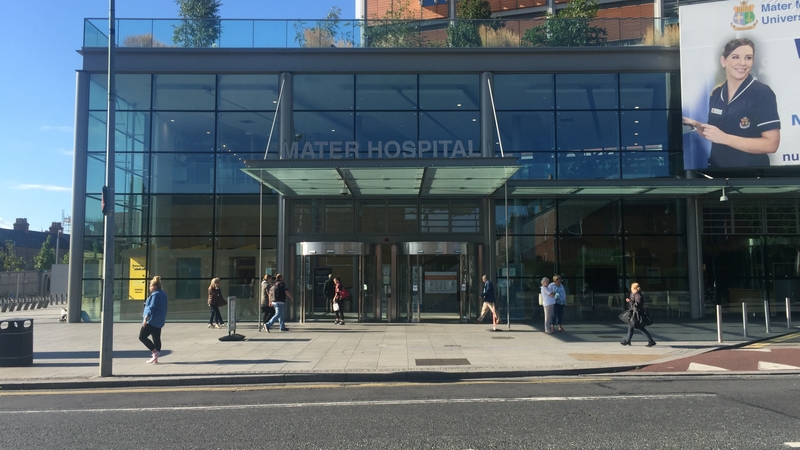
Further compounding the issue, The Mater hospital has revealed an accumulated deficit of almost €50 million, narrowly avoiding further financial peril through a risk-sharing deal with the HSE. Similarly, Tallaght Hospital reports a historic deficit of €25 million. These figures paint a stark picture of the financial strain on public hospitals, impacting their ability to plan and deliver essential patient services.
The Mater hospital in Dublin is to tell the committee it has an accumulated financial deficit of almost €50 million.
The hospitals' representatives are set to present their case to an Oireachtas committee, advocating for a fundamental shift in how healthcare facilities are funded. They argue that the current single-year focus of the HSE's service arrangement process is unsustainable, often leading to late agreements and hindering effective financial planning and workforce recruitment. The call for a multi-annual, activity-based funding model, which accounts for patient volume, complexity, and national responsibilities, is a plea for greater stability and predictability.
The HSE annual service arrangement process with its single-year focus is in need of modification. Negotiations frequently begin from the previous year’s baseline, despite clear growth in demand and activity.
From an Irish perspective, this situation is not merely a financial accounting issue; it directly impacts patient access and safety. The article implicitly conveys the frustration of healthcare providers who are dedicated to patient care but are constrained by budgetary limitations. The potential curtailment of services due to insufficient funding is a grave concern, particularly in a climate of increasing demand for healthcare. The hospitals' stance, while potentially disruptive, is a necessary stand to ensure the long-term viability of these vital institutions and the quality of care they provide to the Irish public.
We believe there is a strong case for moving to a multiannual, activity-based funding model, linked not only to volume of activity but also to patient complexity, acuity, age profile and national referral responsibilities.
DistantNews Editorial
Originally published by Irish Times. Summarized and contextualized by our editorial team with added local perspective. Read our editorial standards.
More Stories



From Our Blog

What Gets Lost (and Found) When News Is Translated

The Critical Role of Diaspora Media in Global News

What Travellers Should Know About Countries with Restricted Press

A Digital Nomad's Guide to Following Local News

How the Same Story Looks Different in Different Countries
