


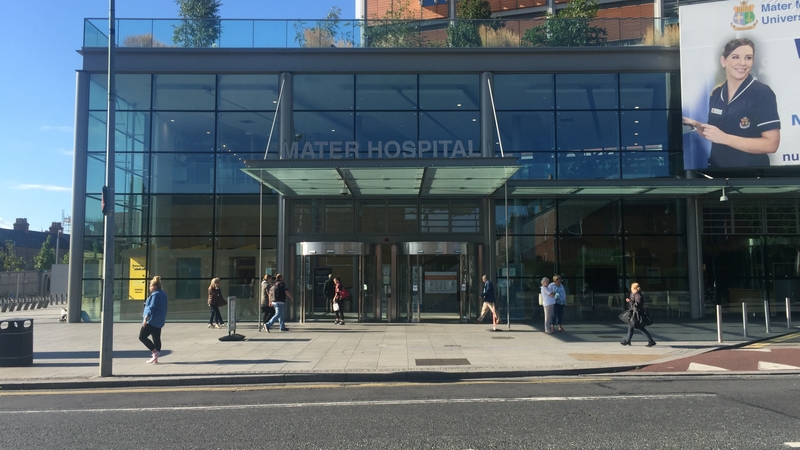
HSE Funding Model Needs Urgent Reform, Hospital CEO Tells Committee
Translated from English, summarized and contextualized by DistantNews.
TLDR
- The Chief Executive of the Mater Hospital has urged the Health Service Executive (HSE) to reform its hospital funding model.
- The current single-year funding arrangement is failing to keep pace with increasing patient demand and complexity.
- Hospitals are facing financial difficulties, with one relying on a 'risk-sharing' deal to avoid suspending essential services.
Hospital leadership is sounding the alarm over the current funding mechanisms, arguing that the Health Service Executive (HSE) must urgently overhaul how it allocates resources to voluntary hospitals. Josephine Ryan Leacy, Chief Executive of the Mater Hospital, has directly addressed the Public Accounts Committee, highlighting critical shortcomings in the existing system.
We believe the current funding model is not keeping pace with the evolving nature of demand or the increasing complexity of patient needs.
According to Ryan Leacy, the HSE's current annual service arrangement process, with its singular focus on a single year, is fundamentally inadequate. She stated that the model is "not keeping pace" with the evolving nature of patient demand and the increasing complexity of their needs. This short-sighted approach, she argues, hinders hospitals' ability to plan effectively for longer-term service delivery and maintain transparency.
The current HSE arrangement and funding processes are in urgent need of reform in order to allow hospitals to operate with improved longer-term service delivery and transparency.
The consequences of this inadequate funding are stark. Ryan Leacy revealed that the Mater Hospital only managed to break even last year due to a "risk-sharing" deal with the HSE. Without this arrangement, essential patient services would have faced reduction or suspension. This precarious situation arises despite "clear growth" in demand and activity year-on-year, with negotiations often starting from the previous year's baseline, delaying crucial financial planning and service development.
If it was not for a 'risk-sharing' deal reached with the HSE, allowing the Mater to reach a break-even position, essential patient services would have to have been reduced or suspended.
This situation is not unique to the Mater. Representatives from St. Vincent's University Hospital and Tallaght University Hospital also appeared before the committee. Together, these three Dublin hospitals received over €1.5 billion from the HSE in 2024 under Section 38 arrangements. The call for reform, particularly a move towards a multi-annual, activity-based funding model that accounts for patient complexity and national responsibilities, is a clear signal that the current system is unsustainable. From an Irish perspective, as covered by RTÉ News, ensuring the financial health of our major hospitals is paramount to maintaining the quality and accessibility of healthcare for all citizens.
There is a 'strong case for moving to a multi-annual, activity based funding, linked not only to volume of activity but also to patient complexity, age profile and national referral responsibilities'.
DistantNews Editorial
Originally published by RTÉ News in English. Translated, summarized, and contextualized by our editorial team with added local perspective. Read our editorial standards.
More Stories



From Our Blog

What Gets Lost (and Found) When News Is Translated

The Critical Role of Diaspora Media in Global News

What Travellers Should Know About Countries with Restricted Press

A Digital Nomad's Guide to Following Local News

How the Same Story Looks Different in Different Countries
