


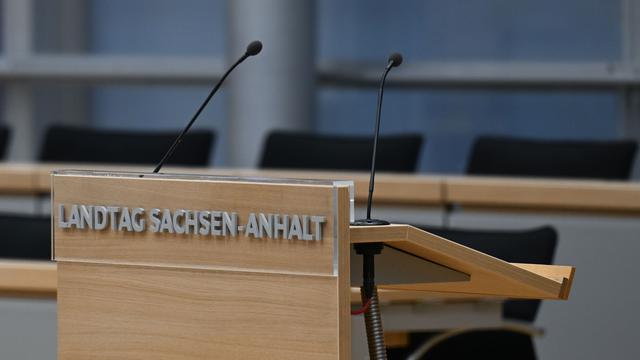

State election: Polling stations open in Saxony-Anhalt as the vote begins
Translated from German and summarized by DistantNews. Read the original for the full story.
At a glance
Newswire
From a news agency
Ongoing story
- Polling stations opened in Saxony-Anhalt at 8 a.m. for an election to determine the composition of the state parliament in Magdeburg.
- Nearly 1.7 million residents aged 18 and over can vote, with polling due to close at 6 p.m. and counting to follow.
- Opinion polls put the far-right AfD well ahead of the CDU, leaving incumbent Premier Sven Schulze facing questions about possible coalition partners.
The decision in Saxony-Anhalt is now in voters’ hands. Polling stations opened at 8 a.m. for the state election and will remain open until 6 p.m., when counting begins. The state election commissioner expects a preliminary final result early Monday morning.
Nearly 1.7 million residents aged 18 and over are eligible to vote. Ballot papers contain two votes: the first selects a constituency candidate, while the second goes to a party. The state parliament will later elect the minister-president.
The AfD entered election day far ahead of the CDU in every opinion poll. Its 35-year-old lead candidate, Ulrich Siegmund, is campaigning for a government run by the party alone. The latest figures did not indicate that it would reach that goal.
In the final poll before the vote, conducted by Forschungsgruppe Wahlen for ZDF, the AfD stood at 41 percent. The CDU of incumbent Premier Sven Schulze had 23 percent, followed by the Left at 11.5 percent, the Social Democrats at 8.5 percent and the Greens at 6 percent. The BSW, at 4 percent, and the FDP, at 3 percent, were below the 5 percent threshold and would miss out on parliament under those figures.
Schulze wants to remain premier. He would then face the question of potential coalition partners. Saxony-Anhalt is currently governed by an alliance of the CDU, SPD and FDP.
About this summary
Originally published by Die Zeit in German. Translated, summarized, and contextualized automatically by DistantNews, with a note on how the source frames the story. Not individually reviewed before publishing. How this works.
More Stories

From Our Blog

News in Translation: What Gets Lost, and How We Keep the Framing

The Same Story, Different Countries: How Coverage Changes at the Border

Diaspora Media: How Communities Follow News From Home

Traveling Where the Press Is Not Free: How to Read the News There

The Digital Nomad's Guide to Local News
