


Stevens concedes Michigan Senate primary to El-Sayed, campaign says
Translated from English, summarized and contextualized by DistantNews.
At a glance
News
From a news agency
New plan
- Rep. Haley Stevens conceded the Michigan U.S. Senate primary to Abdul El-Sayed on Wednesday morning, according to El-Sayed's campaign.
- The Associated Press has not yet called the race, which will help decide which party controls the Senate.
- El-Sayed, who campaigned on progressive policies, urged unity to defeat Republican Mike Rogers in the general election.
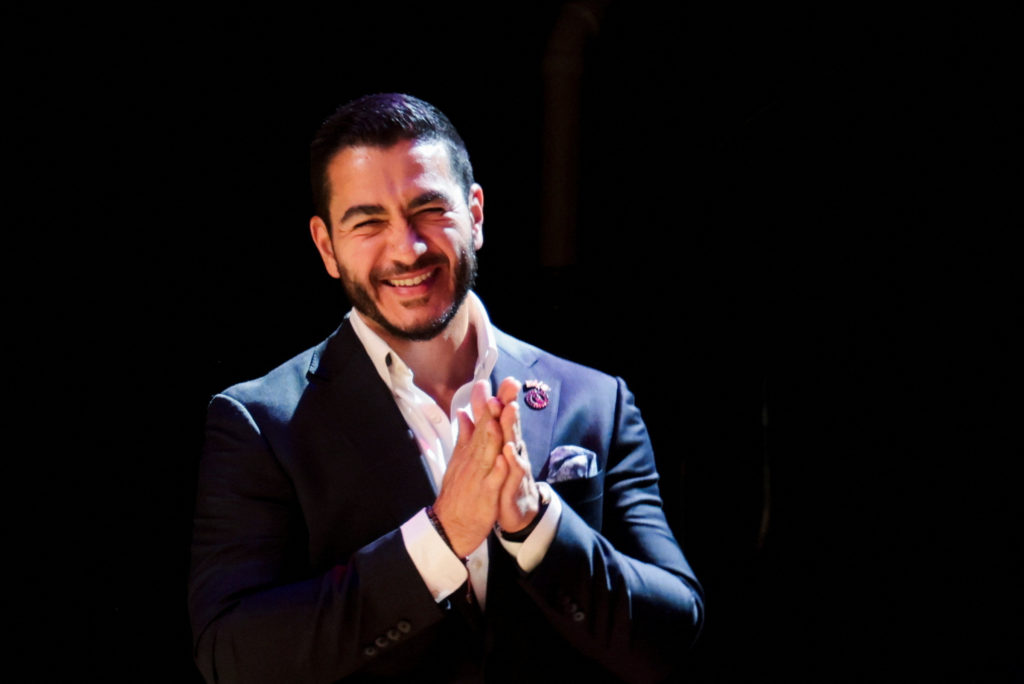
Rep. Haley Stevens conceded the Democratic primary for the U.S. Senate in Michigan to Abdul El-Sayed on Wednesday morning, El-Sayed's campaign announced. The Associated Press had not yet called the race.
El-Sayed, a former Wayne County health director, ran on a platform of "Medicare for All," campaign finance reform, and ending military aid to Israel. He urged unity to defeat Republican Mike Rogers in the general election.
Stevens, a four-term congresswoman, focused her campaign on manufacturing and the economy. She highlighted her past victories in tough races, arguing she was best positioned to defeat Rogers. Stevens received significant outside spending, including a large investment from the American Israel Public Affairs Committee.
Whatever happens tonight, we have a responsibility to ensure that we unite, unite to make sure that Mike Rogers never sees the inside of the U.S. Senate.
The race is a key contest for Democrats seeking to control the Senate in the final two years of President Donald Trump's term. Moderates argued El-Sayed would face a tougher challenge against a Republican than Stevens would. The candidates' differing approaches were supported by prominent figures: Sen. Bernie Sanders backed El-Sayed, while Senate Minority Leader Chuck Schumer supported Stevens.
Stevens previously served as chief of staff for President Barack Obama's auto task force. El-Sayed, who lost the 2018 gubernatorial primary, positioned himself as an anti-establishment candidate advocating for a progressive agenda and rejecting corporate influence. Voters like Kenneth Woodside, 87, supported El-Sayed, stating the nation needed more action against what he described as a slide toward oligarchy and authoritarianism.
the nation is ready for someone who wants to take some more action rather than on the road we are now, which is on the road to an oligarchy and authoritarianism.
DistantNews Editorial
Originally published by PBS NewsHour in English. Translated, summarized, and contextualized by our editorial team with added local perspective. Read our editorial standards.
More Stories


From Our Blog

How the Same Story Looks Different in Different Countries

What Gets Lost (and Found) When News Is Translated

The Critical Role of Diaspora Media in Global News

What Travellers Should Know About Countries with Restricted Press

A Digital Nomad's Guide to Following Local News
