

Stocker reaffirms demand for smaller EU budget volume
Translated from German, summarized and contextualized by DistantNews.
At a glance
News
Sources not specified
Context piece
- Austrian Chancellor Christian Stocker reiterated Austria's demand for a smaller EU budget.
- Stocker emphasized efficient use of funds and questioned the necessity of proposed increases.
- Austria, along with other net-paying countries, seeks a budget capped at around 1% of economic output.
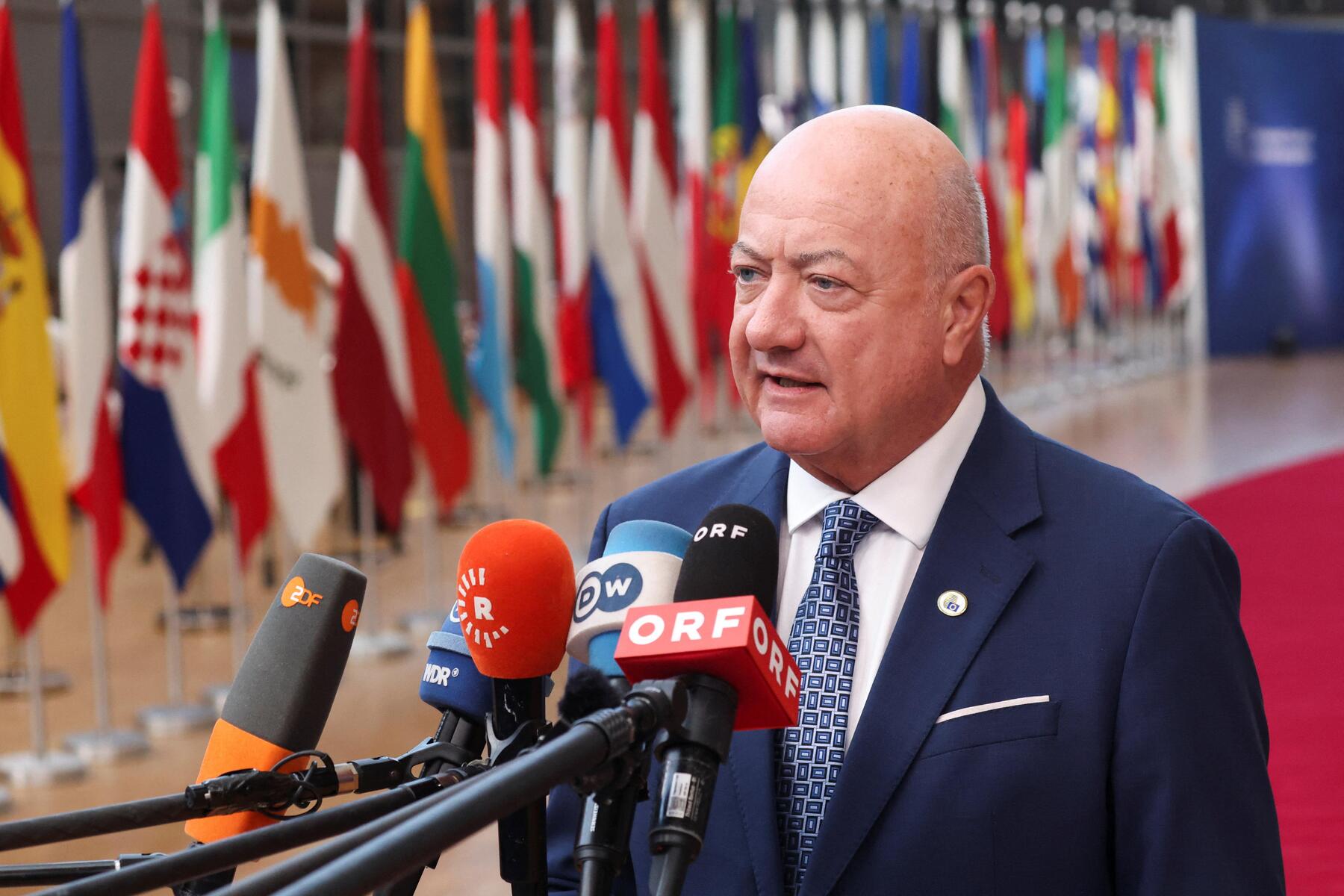
Austrian Chancellor Christian Stocker reaffirmed Austria's critical stance on the European Union's proposed multi-year budget for 2028-2034, urging for a significantly smaller financial framework. Speaking before a summit in Brussels, Stocker questioned the EU Commission's requested increases, emphasizing the need for efficient spending.
The primary question for him is: 'How do we handle the money?'
"The primary question for him is: 'How do we handle the money?'" Stocker stated, advocating for a budget that remains around one percent of economic output. He stressed that more could be achieved with less funding and called for discussions on how to achieve results more efficiently, rather than solely focusing on the overall budget size. The current proposals from the EU Commission and the Cypriot EU presidency are considered too high by many member states, including Austria.
We could also be more efficient with less money.
Stocker highlighted that net-paying countries, which contribute 62% of the EU budget, are not "ATMs for the European Commission." He stressed the need for a reduction in the budget. Austria's priorities include ensuring EU funds for regions and agriculture remain dedicated to those purposes and pushing for a budget rebate. He advocated for "fair burden-sharing," stating that "solidarity is not a one-way street."
We are not ATMs for the European Commission.
Regarding new EU revenue sources, proposed by both the Commission and Parliament, Stocker views them as a potential funding option but warned they must not harm competitiveness. German Chancellor Friedrich Merz described the future financial framework as a "very difficult topic" and anticipated an "orientation debate" on Friday, calling for a "balanced budget."
Solidarity is not a one-way street.
DistantNews Editorial
Originally published by Die Presse in German. Translated, summarized, and contextualized by our editorial team with added local perspective. Read our editorial standards.
More Stories


From Our Blog

What Gets Lost (and Found) When News Is Translated

The Critical Role of Diaspora Media in Global News

What Travellers Should Know About Countries with Restricted Press

A Digital Nomad's Guide to Following Local News

How the Same Story Looks Different in Different Countries
