

Stop building on hills now • Unchecked construction risks environmental disaster - Prof. Oteng-Ababio warns
Summarized and contextualized by DistantNews.
At a glance
News
Named sources
Context piece
- An urban planning expert warns Ghana is facing an environmental disaster due to uncontrolled construction on hilltops, urging an immediate ban on such developments.
- Professor Martin Oteng-Ababio stated that clearing vegetation for housing exposes communities to mudflows, landslides, and severe erosion, especially with increasing rainfall.
- He noted that many hills designated for housing are near earthquake fault zones, increasing risks, and that destroyed hillsides and wetlands significantly worsen flooding in Accra.
Ghana is "sitting on a time bomb" due to rampant, unplanned construction on hilltops, warns Professor Martin Oteng-Ababio, a senior urban planning expert. He has called for an immediate government ban on residential development in these ecologically sensitive areas, citing escalating environmental risks.
The country is sitting on a time bomb waiting to detonate soon.
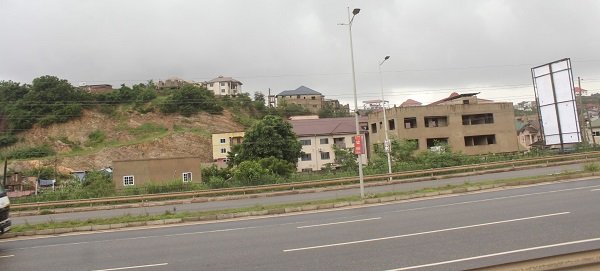
Professor Oteng-Ababio explained that the indiscriminate clearing of vegetation on hillsides for housing projects leaves the topsoil vulnerable. This, combined with intensifying rainfall, significantly increases the danger of mudflows, landslides, and severe erosion. He cautioned that entire communities could be wiped out if this trend continues unchecked, particularly on ranges like Aburi, Bortianor, and McCarthy.
Adding to the peril, Oteng-Ababio highlighted that many of the hills being developed are situated near earthquake fault zones. This proximity heightens the risk of catastrophic events, especially when considering the country's existing struggles with managing flood disasters during heavy rains. He noted that while some countries permit development on hilly terrain, it is under strictly enforced, carefully designed planning frameworks, a stark contrast to Ghana's current situation.
The indiscriminate clearing of vegetation on hills for housing was exposing communities to mudflows, landslides and severe erosion, particularly as rainfall intensifies.
The professor, who also chairs the Forest Plantation Development Fund Board, linked the destruction of hillsides and wetlands directly to the perennial flooding issues plaguing Accra. He argued that the removal of vegetation accelerates stormwater runoff, while silt from degraded slopes clogs drainage systems. This exacerbates flooding, a problem compounded by weak enforcement of planning regulations and poor institutional coordination, making the situation far worse than simply blaming heavy rainfall or poor waste disposal.
Between 92 and 95 percent of some hilly landscapes in Accra were unsuitable for residential development, yet construction continues in such areas.
DistantNews Editorial
Originally published by Ghanaian Times. Summarized and contextualized by our editorial team with added local perspective. Read our editorial standards.
More Stories


From Our Blog

What Gets Lost (and Found) When News Is Translated

The Critical Role of Diaspora Media in Global News

What Travellers Should Know About Countries with Restricted Press

A Digital Nomad's Guide to Following Local News

How the Same Story Looks Different in Different Countries
