

Storm aftermath: Thousands still without power as lessons emerge from crisis
Translated from Latvian, summarized and contextualized by DistantNews.
At a glance
News
Sources not specified
Ongoing story
- Tens of thousands of households remain without electricity days after a devastating storm, with some areas also experiencing mobile and internet outages.
- Efforts to restore power continue, with about 90% of affected customers having their electricity back, but 31,000 still remain without power.
- Officials are drawing lessons from the crisis, emphasizing individual preparedness and identifying areas for improvement in state and municipal responses.
Days after a powerful storm ravaged Latvia, tens of thousands of households are still grappling with a lack of electricity. The tempest also disrupted mobile and internet services in many areas, leaving residents unable to access crucial information or contact loved ones. Some businesses, including shops and gas stations, were forced to close.
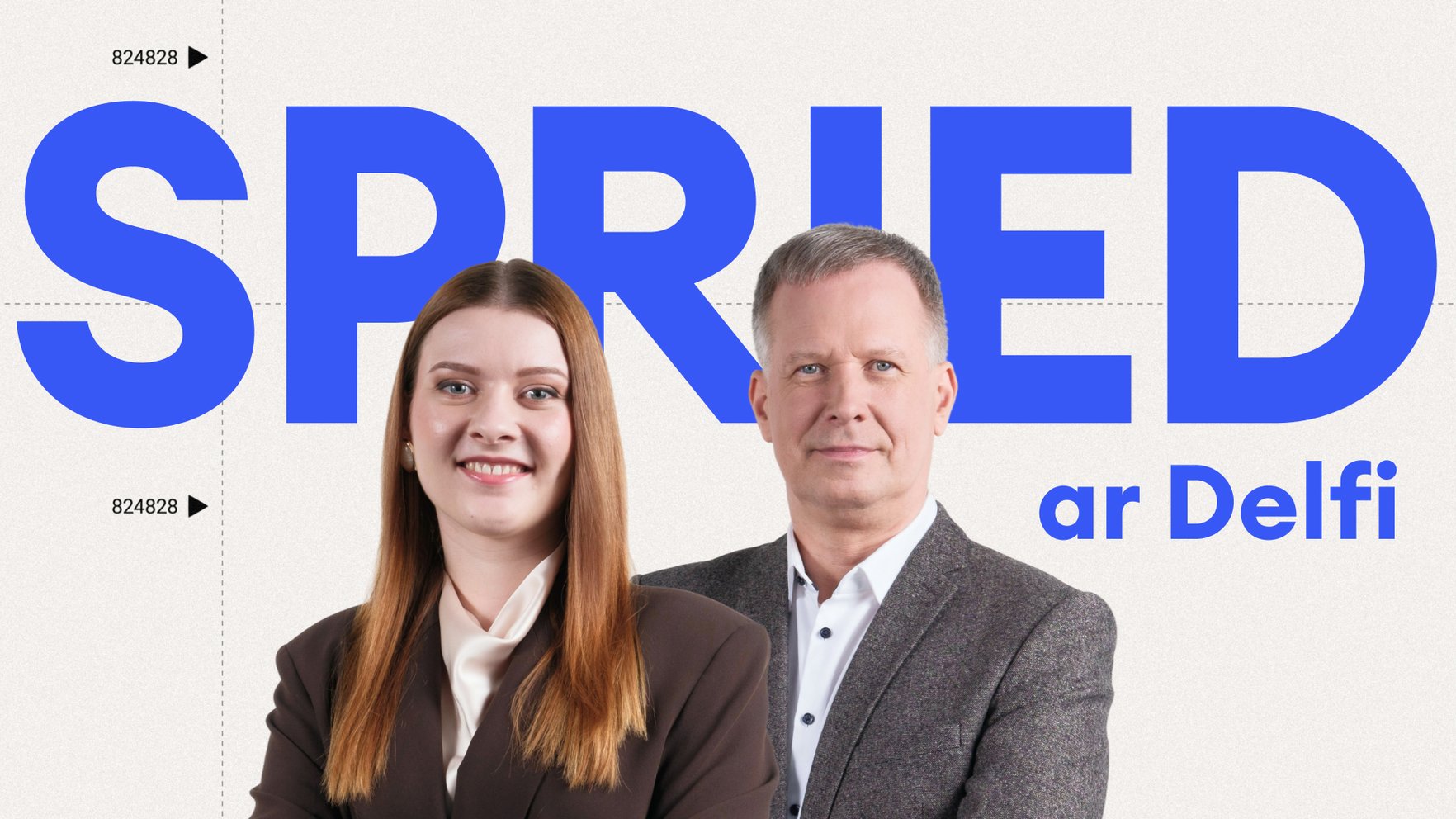
While the cleanup continues, authorities are analyzing the crisis to learn valuable lessons. Arvis Zīle, head of the Crisis Management Center, discussed these takeaways with other officials in a "Spried ar Delfi" broadcast. He noted that while many citizens could have been better prepared for the storm's aftermath, there are also lessons for the state and local governments.
Zīle highlighted the importance of individual readiness, questioning whether citizens have adequately prepared for potential 72-hour outages. He pointed out that while the need for generators and essential supplies is understood, many may not have taken these precautions. The storm, which saw wind speeds exceeding 30 meters per second in some areas, caused widespread damage to both distribution and transmission power grids, initially cutting off electricity to approximately 277,000 customers.
As of August 25, "Sadales tīkls" reported that power had been restored to about 250,000 customers, representing roughly 90% of those affected. However, work continues to restore electricity to the remaining 31,000 customers. "Augstsprieguma tīkls" (AST) has largely restored voltage to its substations, enabling "Sadales tīkls" to proceed with repairs at lower voltage levels.
We have talked. It seems each of us understands that 72 hours is the absolute minimum we must be able to survive, that households should have generators, but have we done it, have we provided for the primary things to survive for a minimum of 72 hours without external help?
DistantNews Editorial
Originally published by Delfi Latvia in Latvian. Translated, summarized, and contextualized by our editorial team with added local perspective. Read our editorial standards.
More Stories

From Our Blog

What Gets Lost (and Found) When News Is Translated

The Critical Role of Diaspora Media in Global News

What Travellers Should Know About Countries with Restricted Press

A Digital Nomad's Guide to Following Local News

How the Same Story Looks Different in Different Countries
