

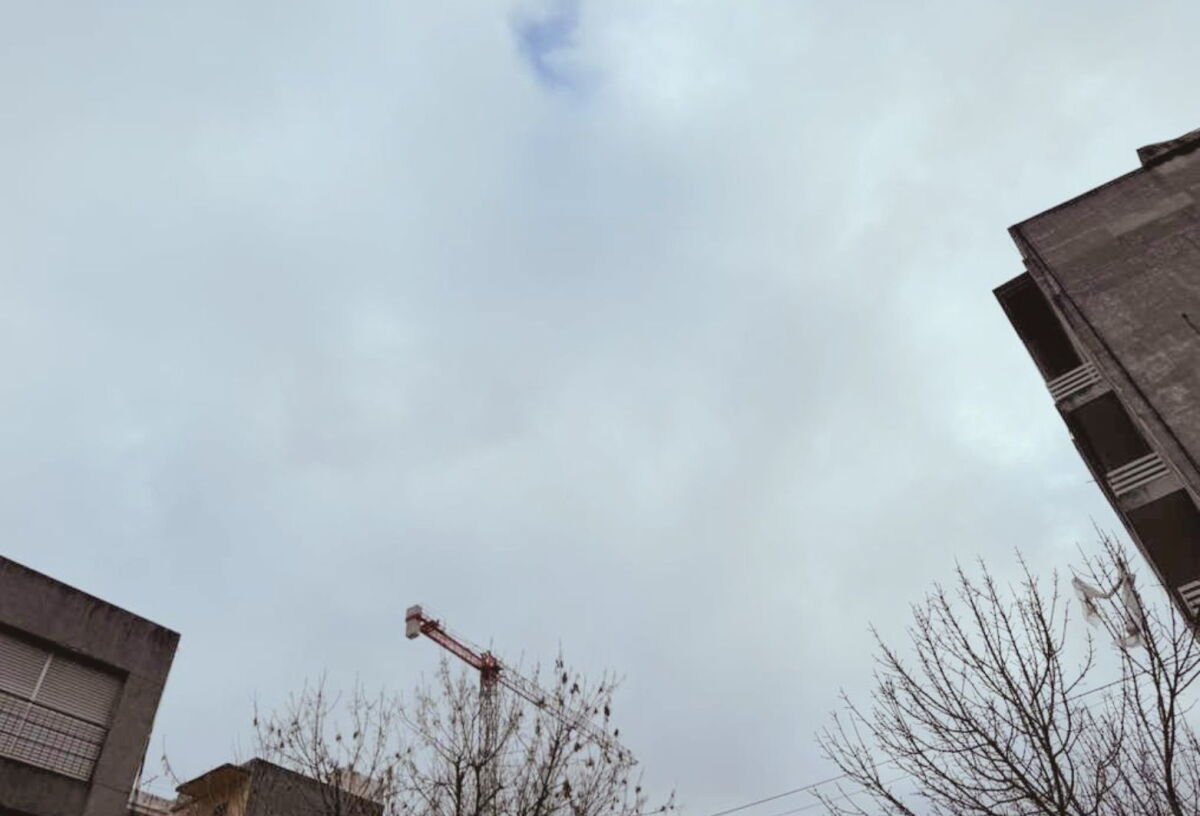

Storm chaser records 'snowfall' in Maldonado's Cerro Catedral: 'Everything is turning white'
Translated from Spanish, summarized and contextualized by DistantNews.
At a glance
News
Named sources
Context piece
- A polar air mass has brought very low temperatures and wind chill to Uruguay, with meteorologists calling it the harshest part of winter.
- Snowfall was reported in Cerro Catedral, Maldonado, with temperatures dropping to -1°C at 514 meters altitude.
- While June and May saw below-average temperatures, the trend for July, August, and September suggests slightly above-average temperatures due to El Niño.
Uruguay is experiencing a harsh winter spell as a polar air mass of Antarctic origin settles over the country, bringing not only frigid temperatures but also extremely low wind chills due to cloud cover and southerly winds. Meteorologists are describing this period as the most severe of the winter season.
to be attentive because the conditions are given for some snowfall in the highlands.
Meteorologist Nubel Cisneros urged caution, stating that conditions were ripe for snowfall in the highlands. "Very low temperatures, we have humidity, therefore if any precipitation occurs, it could be some snowfall in that part of the territory; this is from today until the early hours of tomorrow, Friday," he said. Cisneros also noted that "sleet will continue during the night hours."
Cisneros clarified the distinctions between sleet, graupel, and snow, explaining that the difference lies primarily in the form of the frozen precipitation. "The shape of snow is a hexagonal flake, it's a rare, different shape. Graupel and sleet are in the family, they are hard rice grains; frozen water that breaks upon reaching the ground and thus generates that type of phenomenon," he stated.
The shape of snow is a hexagonal flake, it's a rare, different shape. Graupel and sleet are in the family, they are hard rice grains; frozen water that breaks upon reaching the ground and thus generates that type of phenomenon.
Meanwhile, storm chaser Matías Mederos, a meteorology student, shared striking images on his X account of snowfall at Cerro Catedral in Maldonado. "It's impressive, people. How crazy, it keeps snowing at Cerro Catedral. Look at the truck with snow, it's snowing with tremendous intensity," he exclaimed, showing a snow-covered vehicle. "It's crazy what we are experiencing," he added, visibly emotional. Mederos reported being at an altitude of 514 meters with a temperature of -1°C, noting, "It's all turning white."
It's impressive, people. How crazy, it keeps snowing at Cerro Catedral. Look at the truck with snow, it's snowing with tremendous intensity.
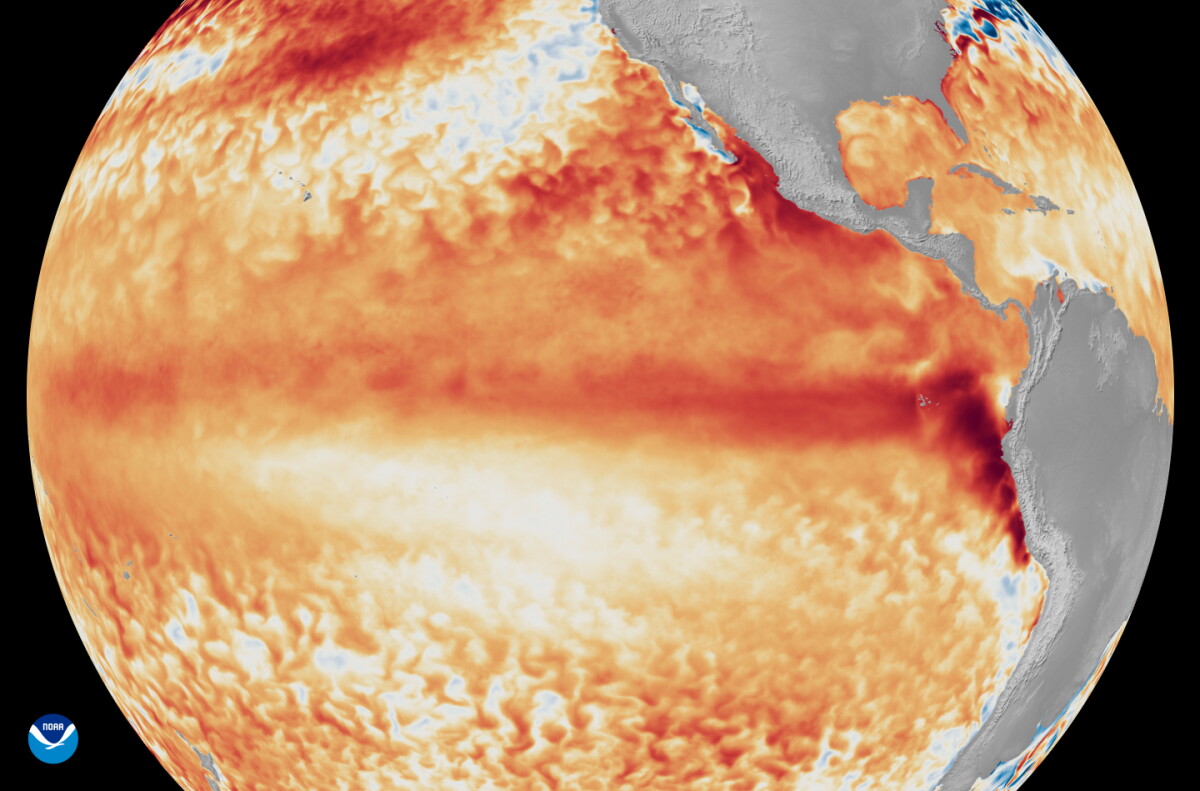
Further meteorological data shared by Mario Bidegain indicates that June was significantly colder than average, with monthly temperatures 1.5°C below normal. May was even colder, with a negative deviation of 2.3°C below expectations. "Two months with average temperatures below normal, meaning an early winter," Bidegain commented. The beginning of July continued this trend with negative anomalies. However, the outlook for the remainder of the winter suggests a shift, with July, August, and September expected to see average temperatures slightly above normal, influenced by the developing warm phase of El Niño affecting southern Brazil. Bidegain concluded that "the harsh winter at the beginning will not be prolonged."
It's all turning white.
DistantNews Editorial
Originally published by El País in Spanish. Translated, summarized, and contextualized by our editorial team with added local perspective. Read our editorial standards.
More Stories


From Our Blog

What Gets Lost (and Found) When News Is Translated

The Critical Role of Diaspora Media in Global News

What Travellers Should Know About Countries with Restricted Press

A Digital Nomad's Guide to Following Local News

How the Same Story Looks Different in Different Countries
