


Strait of Hormuz Reopens After US-Iran Preliminary Deal
Translated from German, summarized and contextualized by DistantNews.
At a glance
News
Named sources
New plan
- The US and Iran have signed a preliminary agreement, leading to the immediate reopening of the Strait of Hormuz.
- Three Saudi-flagged tankers carrying six million barrels of crude oil passed through the strait following the deal.
- The agreement, brokered by Pakistan, also involves the lifting of the US blockade on Iranian ports, though full sanctions relief awaits a final deal.
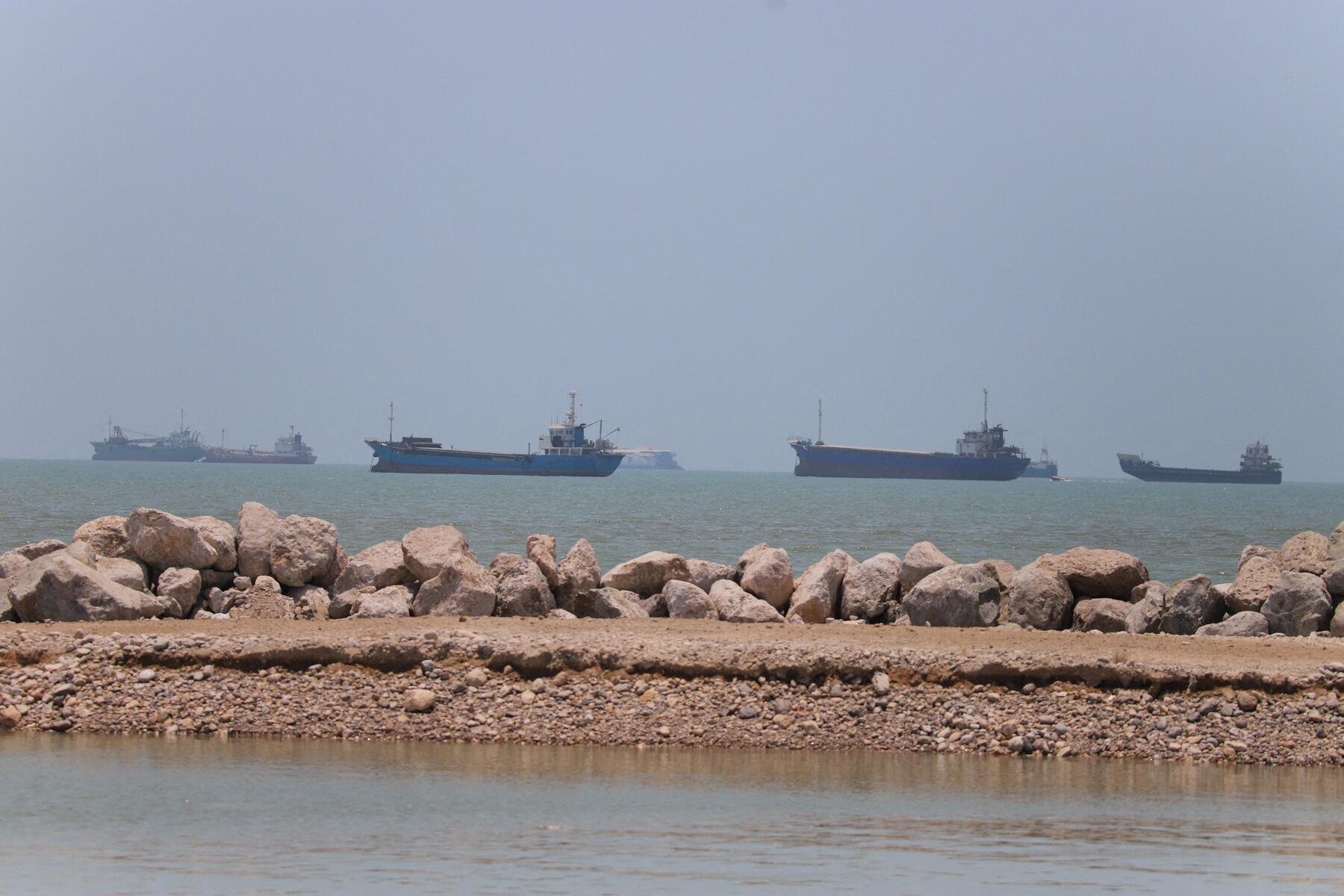
Following the signing of a preliminary agreement between the United States and Iran, the first oil tankers passed through the Strait of Hormuz on Thursday, marking a significant de-escalation in regional tensions. The understanding, initially expected later, came into effect two days earlier than anticipated after US President Donald Trump and Iranian President Massud Pezeshkian signed the declaration of intent on Wednesday evening.
The agreement mandates the immediate reopening of the Strait of Hormuz and the cessation of the US blockade on Iranian ports. Three supertankers sailing under the Saudi Arabian flag, collectively carrying six million barrels of crude oil, transited the vital waterway on Thursday. However, shipping companies indicate that a full return to pre-war levels of maritime traffic will take time, as security measures and mine clearance operations are still necessary.
Pakistan, acting as a mediator, announced on Thursday that the agreement was effective immediately. Iranian state media reported that Tehran would reopen the Strait of Hormuz without delay, and the US would promptly lift its naval blockade on Iranian ports. The Iran-controlled Strait of Hormuz, crucial for global trade in oil, gas, and fertilizer, had seen significantly reduced traffic due to threats and attacks on vessels following the start of a regional conflict. The US had subsequently imposed a naval blockade on Iranian ports to cut off Tehran's oil revenues, which contributed to a surge in global energy prices.
Under the framework agreement, the US Treasury Department is set to issue immediate waivers for Iranian crude oil exports. Full sanctions relief, however, is contingent upon the finalization of a comprehensive agreement. The US has also committed to releasing frozen Iranian assets held abroad, though the specifics of implementation remain part of ongoing negotiations. President Trump reportedly signed the framework agreement in Versailles, France, during a meeting with President Emmanuel Macron, who congratulated him on the achievement.
Tehran will reopen the Strait of Hormuz immediately, and the US will lift the naval blockade of Iranian ports immediately.
DistantNews Editorial
Originally published by Die Presse in German. Translated, summarized, and contextualized by our editorial team with added local perspective. Read our editorial standards.
More Stories


From Our Blog

What Gets Lost (and Found) When News Is Translated

The Critical Role of Diaspora Media in Global News

What Travellers Should Know About Countries with Restricted Press

A Digital Nomad's Guide to Following Local News

How the Same Story Looks Different in Different Countries
