


Strait of Hormuz to reopen Friday after US-Iran deal, but full recovery will take months
Translated from English, summarized and contextualized by DistantNews.
At a glance
News
From a news agency
New plan
- The Strait of Hormuz is set to reopen Friday after nearly four months, following a US-Iran agreement to end the Middle East war.
- Ships may require hull cleaning and mine clearing before normal traffic resumes, with full export volumes potentially taking four to six months to recover.
- Around 500 ships and 20,000 seafarers have been stranded during the closure, which saw Iran come under fire from the US and Israel.
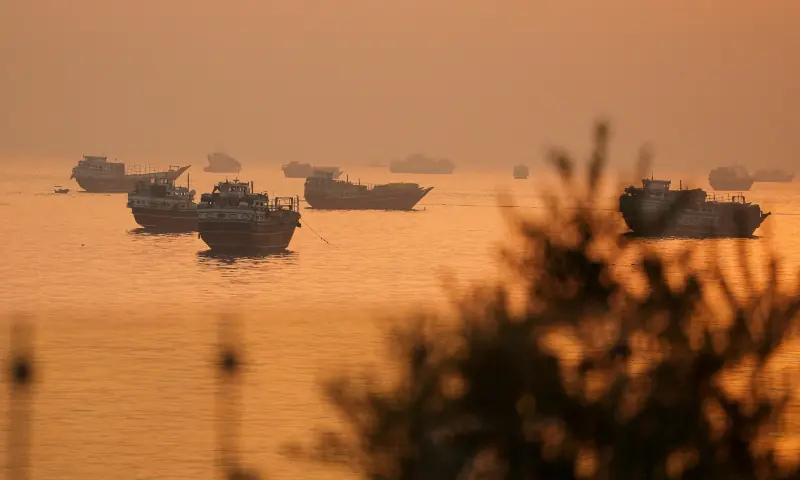
The vital Strait of Hormuz shipping lane is expected to reopen on Friday, nearly four months after it was closed following a US-Iran agreement to end the Middle East war. The AFP examines how the reopening could work and why a return to normal is likely to take time.
performed regular onboard drills and maintained the ships’ machinery, technical installations and equipment
While ships could theoretically begin moving through the strait almost immediately after formal approval, some may require underwater hull cleaning to remove marine growth accumulated during the shutdown. The strait, through which roughly 20 percent of the world's crude oil supply normally transits, was effectively closed by Iran after it came under fire from the United States and Israel. About 500 ships and 20,000 seafarers have been stranded in Gulf waters.
shipowners who operate their own fleet
Operators are expected to proceed cautiously, and insurers may require naval escorts. Tankers linked to Kuwait, Iraq, the United Arab Emirates, and Saudi Arabia are likely to be among the first to resume transits. Iran has designated the central area of the strait as a mine danger zone, and until mines are cleared, ships can use coastal traffic zones that are not well-suited for normal traffic volumes. France, Britain, and the US have mobilized mine-clearing capabilities.
Given the elevated earnings still prevalent in the tanker sector, higher war risk insurance is unlikely to be an obstacle
Reopening the waterway is only the first step. Crew changes are needed, disrupted supply chains must be restarted, and strategic energy reserves replenished. Analysts estimate it could take four to six months before crude export volumes return to pre-war levels. "Not everything will go back to normal with the snap of a finger," said Hugo Rousse of maritime tracking group AXSMarine.
ships can use the coastal traffic zones which are mine-free but which are not well-suited to accommodate normal volumes of maritime traffic
DistantNews Editorial
Originally published by Dawn in English. Translated, summarized, and contextualized by our editorial team with added local perspective. Read our editorial standards.
More Stories



From Our Blog

What Gets Lost (and Found) When News Is Translated

The Critical Role of Diaspora Media in Global News

What Travellers Should Know About Countries with Restricted Press

A Digital Nomad's Guide to Following Local News

How the Same Story Looks Different in Different Countries
