

Straits: The Butterfly Effect of Global Waterways
Translated from Turkish, summarized and contextualized by DistantNews.
At a glance
News
Sources not specified
Context piece
- Strategic waterways like the Bosphorus and Hormuz straits are critical geopolitical and economic nodes, as recent events demonstrate.
- Tensions around the Strait of Hormuz, the Strait of Gibraltar, and the Bering Strait highlight their global significance for energy and trade.
- These narrow water passages significantly influence global politics and trade, as seen in incidents like the Suez Canal blockage and Houthi attacks in the Bab el-Mandeb.
The world's fate hinges on a few narrow water passages, often overlooked but critically important for global politics and trade. Recent events underscore their strategic value, drawing parallels to the Suez Canal's blockage by the Ever Given, which caused billions in trade delays.
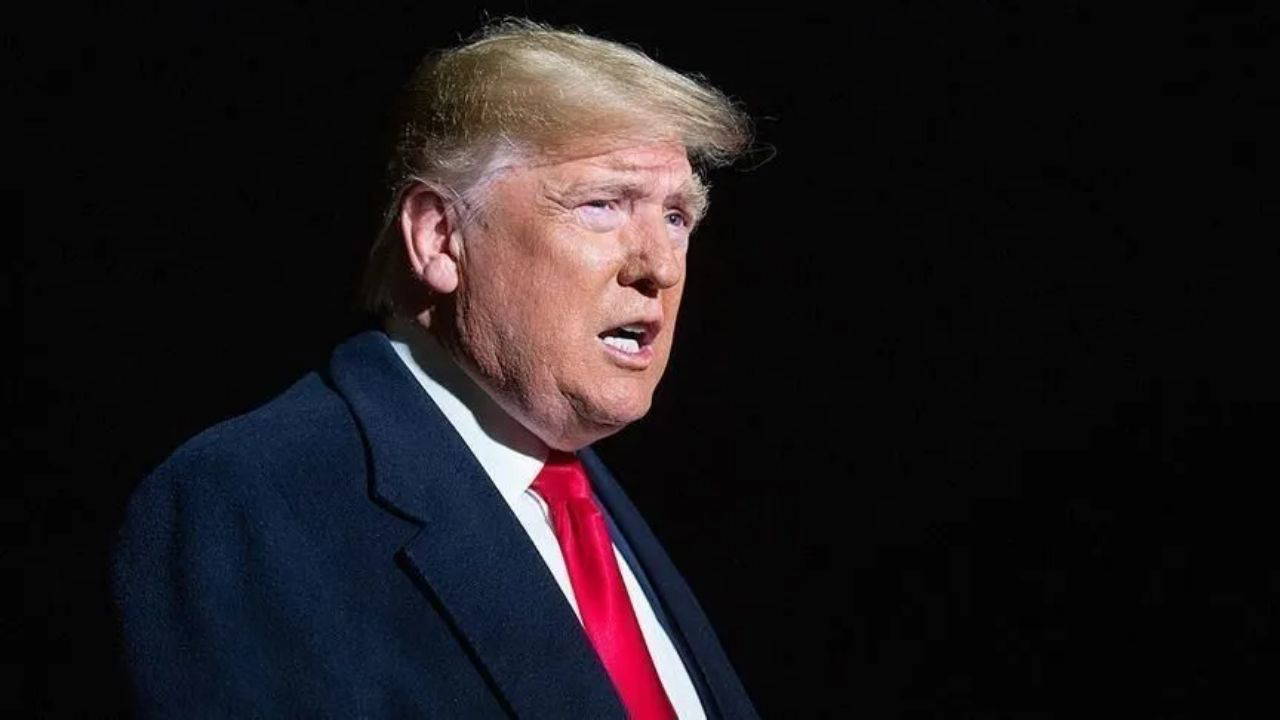
The Strait of Hormuz, dubbed the "lifeline of energy geopolitics," sees about 20 million barrels of oil pass daily, a quarter of global seaborne oil trade. Tensions flared there in July amid U.S. actions against Iran. Meanwhile, U.S. President Donald Trump's interest in Greenland and Arctic sea routes points to the growing importance of the Bering Strait as temperatures rise.
Further south, the Strait of Gibraltar, connecting the Mediterranean to the Atlantic, is vital for NATO's southern flank. One analyst suggests U.S. influence in the region might be behind the migration crisis into Spain's Moroccan territories, with Israel potentially involved in weakening the Spanish government. These developments around three straits on three continents show how these thin blue lines on a map are crucial geopolitical knots.
DistantNews Editorial
Originally published by Cumhuriyet in Turkish. Translated, summarized, and contextualized by our editorial team with added local perspective. Read our editorial standards.
More Stories
From Our Blog

What Gets Lost (and Found) When News Is Translated

The Critical Role of Diaspora Media in Global News

What Travellers Should Know About Countries with Restricted Press

A Digital Nomad's Guide to Following Local News

How the Same Story Looks Different in Different Countries
